Urgent search for Asian hornet nest in Cork after second insect found
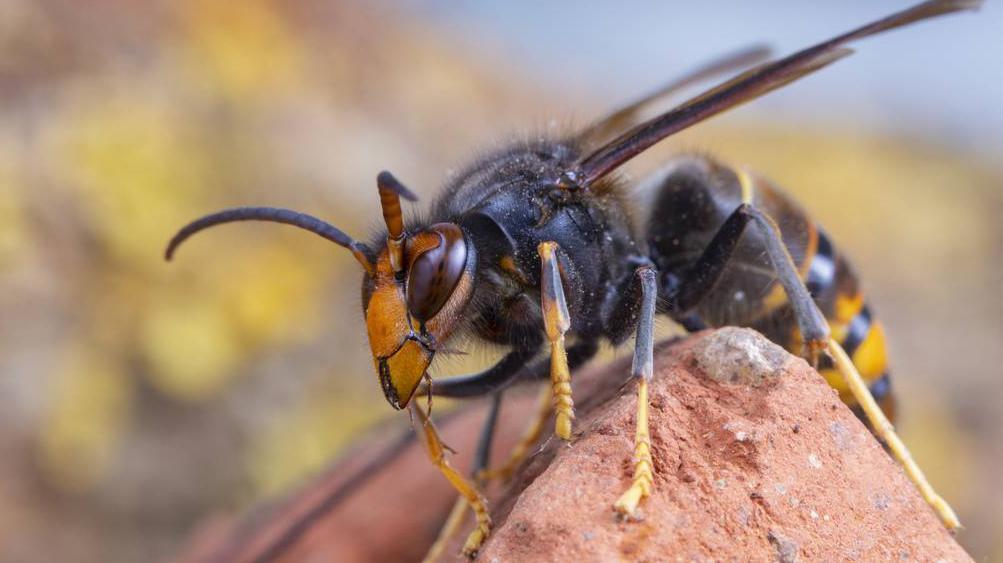
Experts are racing to locate a possible nest before a mated queen can escape and overwinter elsewhere in Ireland
Asian hornet (Vespa velutina), also known as the yellow-legged hornet or Asian predatory wasp, is a species of hornet indigenous to Southeast Asia. Picture: iStock

Asian hornet (Vespa velutina), also known as the yellow-legged hornet or Asian predatory wasp, is a species of hornet indigenous to Southeast Asia. Picture: iStock

An urgent search is underway for an Asian hornet nest in Co Cork after a second insect belonging to the invasive species was found.

An urgent search is underway for an Asian hornet nest in Co Cork after further insects belonging to the invasive species were discovered this week.

There are fears that a mated queen could be inside a nest in the greater Ringaskiddy area and, if she leaves to find another refuge and overwinters here, producing more Asian hornets, this could lead to a serious environmental issue.

Asian hornets pose a significant threat to Ireland’s biodiversity as they can cause serious damage to a wide range of insect species, including key pollinators such as honeybees.

The discovery of further hornets was confirmed by biodiversity minister and Fianna Fáil TD for Cork South-West Christopher O’Sullivan.

He said the hornets were found in the Ringaskiddy area and were likely to have arrived there on a ship. 

National Parks and Wildlife conservation rangers have successfully attached a tiny transmitter to the back of an Asian hornet.

The hornet was allowed to fly away, with the experts following its radio signal in the hope that it leads directly back to the nest.
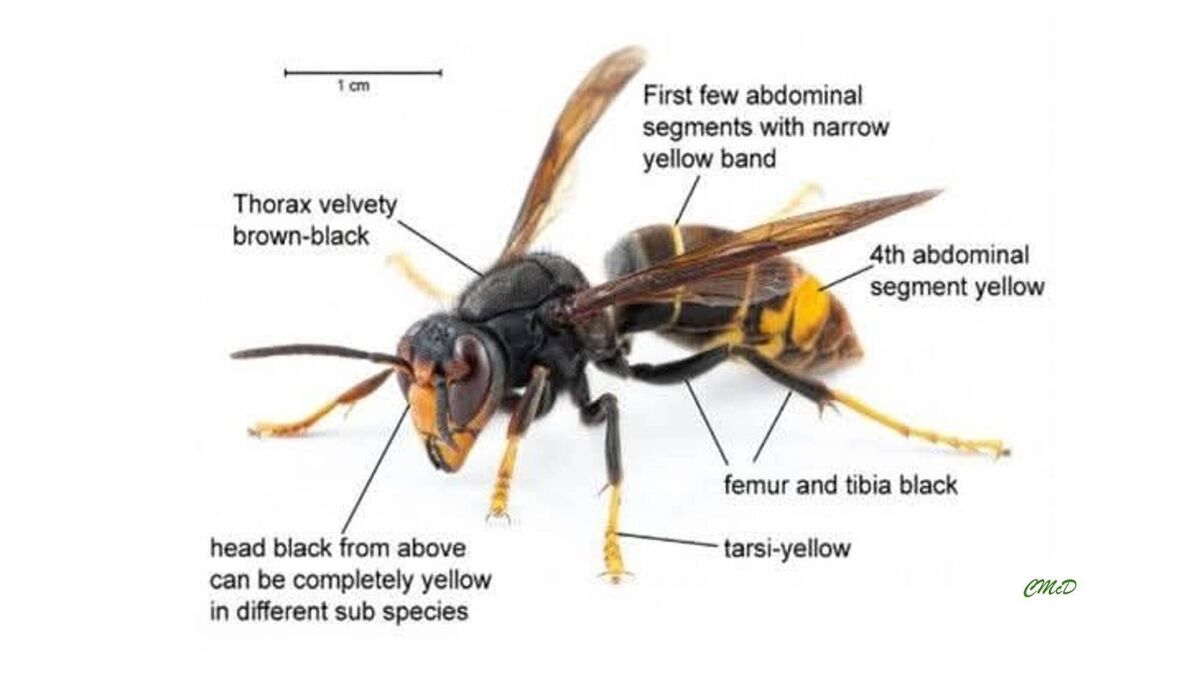
How to spot an Asian hornet

The experts used bait stations containing sweet syrup and meat to attract live hornets.

They succeeded in painting a coloured tracking spot to the back of at least one live hornet at a bait station and watched as it flew away.

Mr O’Sullivan said rangers from the National Parks and Wildlife Service (NPWS) were deployed to the area as soon as the first hornet was discovered and the Asian hornet management plan was activated.

He said the discovery of the second hornet on Wednesday had greatly increased the likelihood of a nest being present in the area, but expressed confidence that the experienced team would locate it if one exists.

It is understood that the first hornet was killed by the person who found it. They then put it in a freezer and notified the relevant authorities, including the National Biodiversity Data Centre.

Mr O’Sullivan said he wanted to thank that person and asked the public to remain vigilant. 

He said that destroying a nest was the most effective way of halting the spread of Asian hornets. However, he warned that if the search continued too far into October, there was a risk that a mated queen could leave the nest and find another refuge for the winter.

If that happened, he said, the queen could potentially establish itself elsewhere and overwinter in Ireland for the first time.

He said there was therefore “a bit of urgency” in locating a nest.

Mr O’Sullivan said he remained confident in the team on the ground, pointing to their success in locating and destroying two nests within a short period last year.

More in this section