'Significant concerns' around performance of An Garda Síochána as only four of 18 targets met
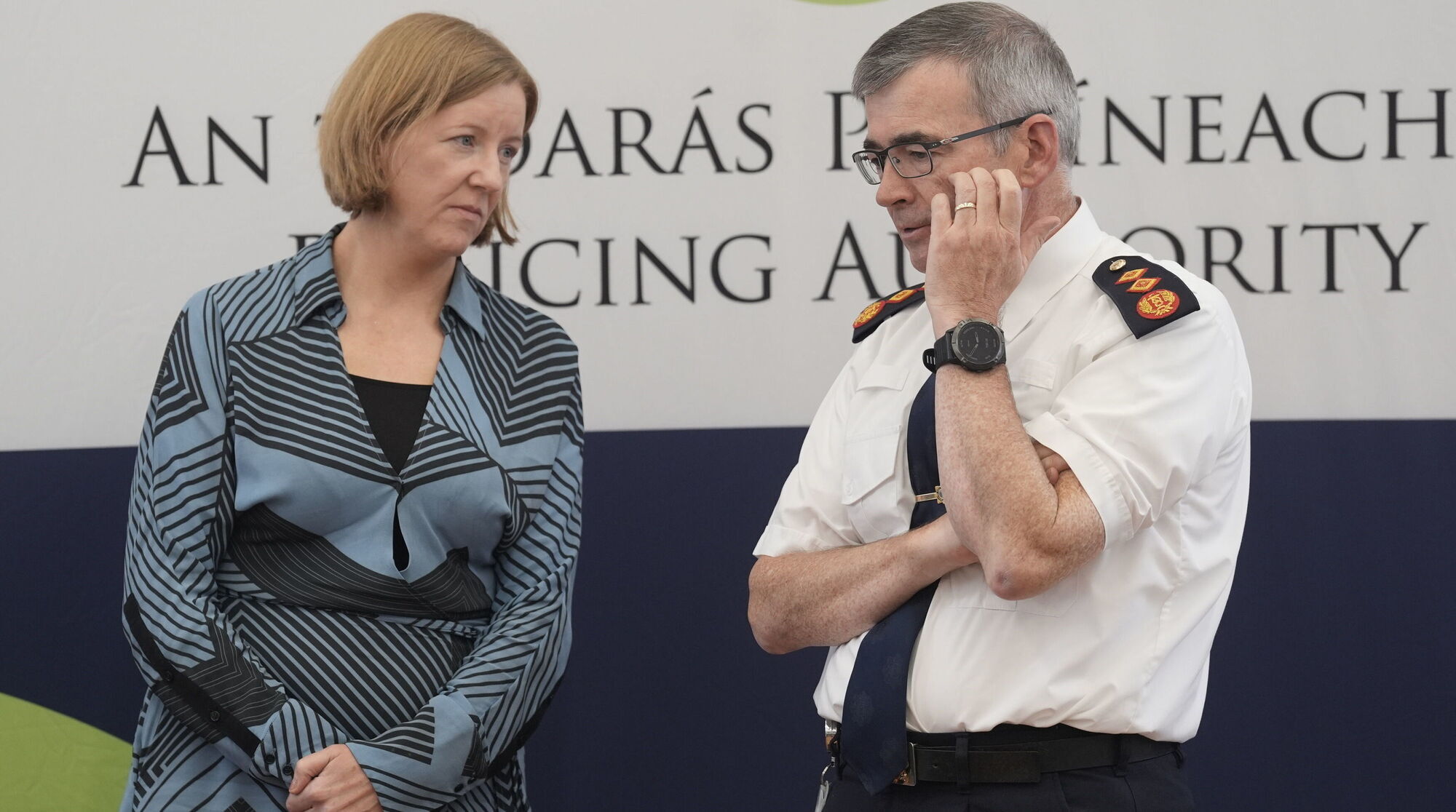
Policing Authority Chair Dr Elaine Byrne (left) and Garda Commissioner Drew Harris (right) ahead of a meeting of the Policing Authority in Dublin last year. Ms Byrne said she wished to acknowledge 'the progress made by An Garda Síochána in key areas during 2024 and the commitment shown by members and staff'. File photo: Brian Lawless/PA
Only four of the 18 targets set for the policing performance of An Garda Síochána in 2024 were met, amid “significant concerns” regarding aspects of how the force is currently being administered.
The latest biannual assessment of policing performance, compiled by the Policing and Community Safety Authority (PCSA), highlights troubling numbers in terms of recruitment and retention, IT systems, and performance management within gardaí.
The authority said that a “range of factors” had contributed to the issues being seen within the gardaí.
They include inadequate resources, challenges in terms of the force’s IT capacity, legislative delays, and additional training needs, the PCSA said. Progress has been made in other areas in terms of quality of policing service, including in the areas of public order and organised crime policing.
“However, there are areas where further development is needed to fully deliver on policing priorities,” a PCSA spokesperson said.
With regard to recruitment issues – retirements and resignations generally occur at a greater pace annually than the intake of new graduates – the PCSA said that despite those issues, work is ongoing towards the finalisation of a “long-term strategic workforce plan”.
In terms of IT issues, the PCSA said that the force lags “behind the capability of organisations that are of a similar size and geographical spread”.
It listed the ongoing roll-out of the gardaí’s daily roads policing model – which sees every member expected to perform a half-hour's worth of traffic policing each day – as having “contributed to higher detection rates” and “enhanced frontline visibility”.
It likewise noted gardaí enjoyed “continued strategic and operational success” across 2024 in dealing with organised and serious crime, particularly drug-related intimidation and child protection.
PCSA chair Elaine Byrne said she wished to acknowledge “the progress made by An Garda Síochána in key areas during 2024 and the commitment shown by members and staff”.
She added however that the report “reflects the complexity of modern policing and the importance of ensuring that the right supports, whether in staffing, technology or training, are in place to meet public needs”.
Although just four of the 18 targets, or 22%, were fully achieved in 2024, a further nine were reported as being partially achieved. Five of the set goals were not achieved over the 12-month period.
The authority noted that a new model overhauling garda operating structures had been rolled out to 19 of the force’s 21 divisions as at the end of 2024, representing “the single most significant change to the structure of AGS in its history" per the report.
“The achievement of this milestone and the work involved by the entire workforce is not to be underestimated,” it said.
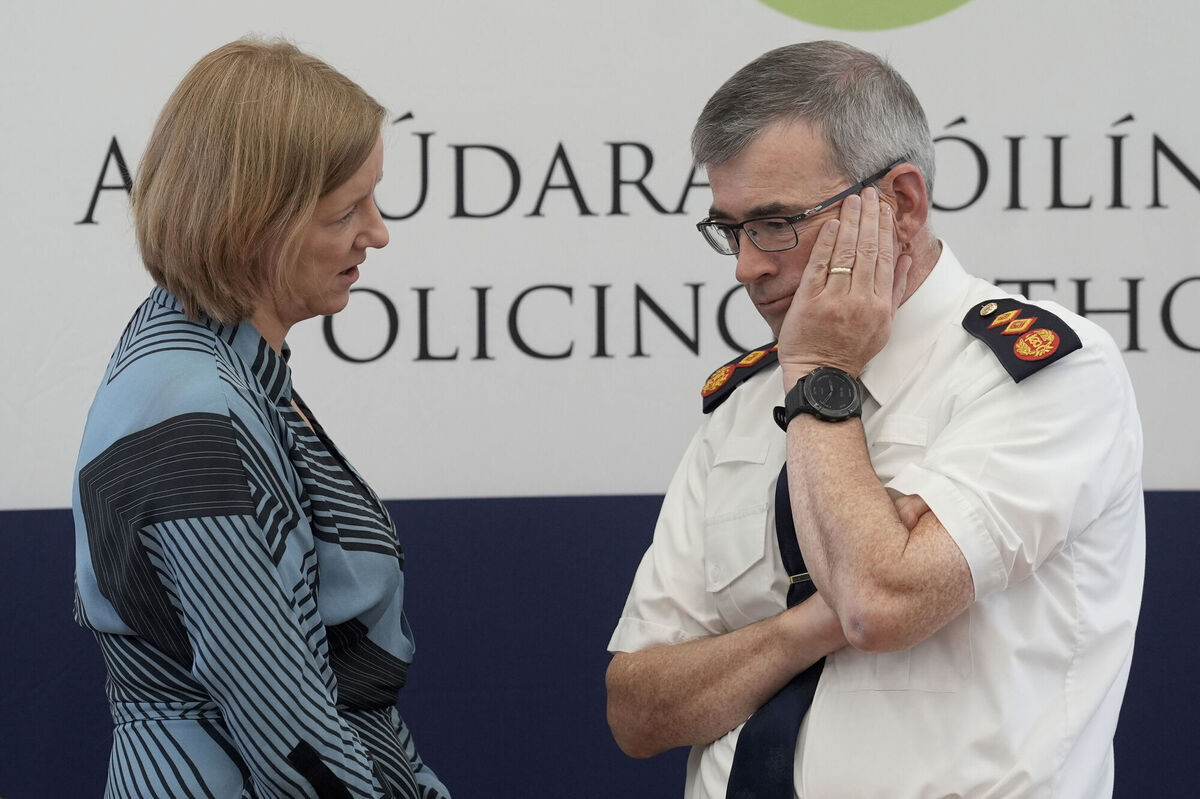
The report notes that reaching a long-term target of 15,000 active garda members “will not be achieved in the short term”, given Ireland’s full employment market, the limited capacity of the Garda College in Templemore, and the pending retirement of many members.
At present that overall Garda headcount stands at just short of 14,200.
In terms of the force’s issues with regard to IT shortcomings, the PCSA suggested “there is evidence of learning within the organisation about the approach taken to the roll-out of ICT systems.
It cited by way of example the ongoing roll-out of AGS’s Investigative Management System, which showcased that there is “better support now on site at the time of roll-out, facilitating training and more timely responses to issues raised”.
CONNECT WITH US TODAY



Be the first to know the latest news and updates