‘I tried to block it out and I’m sorry’, says Stardust witness
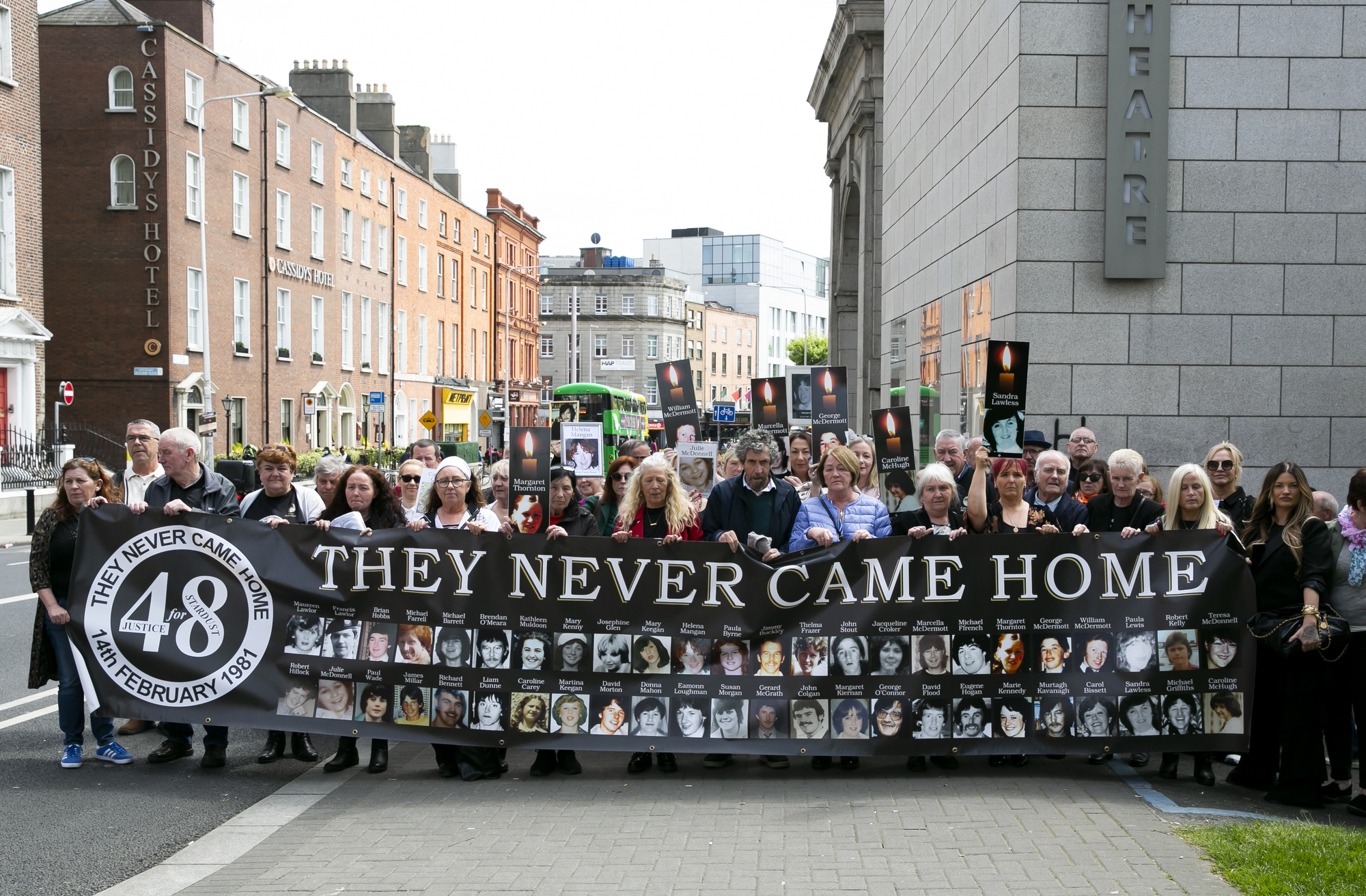
Fresh inquests are examining the circumstances surrounding the deaths of 48 young people in the north Dublin nightclub in 1981
‘I tried to block it out and I’m sorry’, says Stardust witness

Family and friends  of those that died in the Stardust fire at the Coroners Court inquiry in last month. 
“I just remember seeing it. It’s very difficult. To be honest with you, I tried to block it out. And I’m sorry.”

Those were the words of Pauline McConalogue who was 17 when she working as a waitress in the Stardust.

It is just over a week since witness evidence began at the fresh Stardust inquests.

The proceedings before Dublin city coroner Dr Myra Cullinane are expected to last many months, as the inquests examine the circumstances into the deaths of 48 young people in the north Dublin nightclub in 1981.

Ms McConalogue was known to patrons by name. She would know their drink order, but not necessarily namess. She worked mostly weekends. 

In the aftermath of the fire, she gave several statements to gardaí about what she saw.

In advance of giving evidence at the inquests, however, she said that she found it “difficult to read back”.

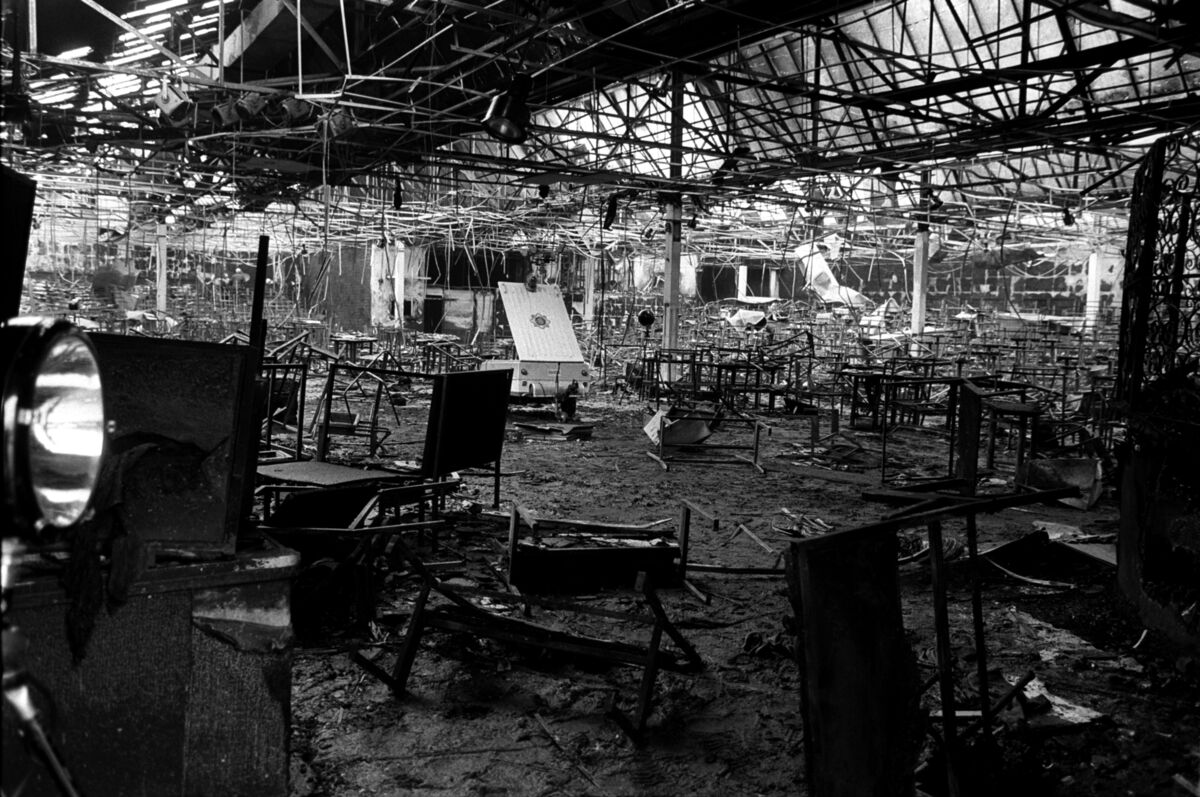
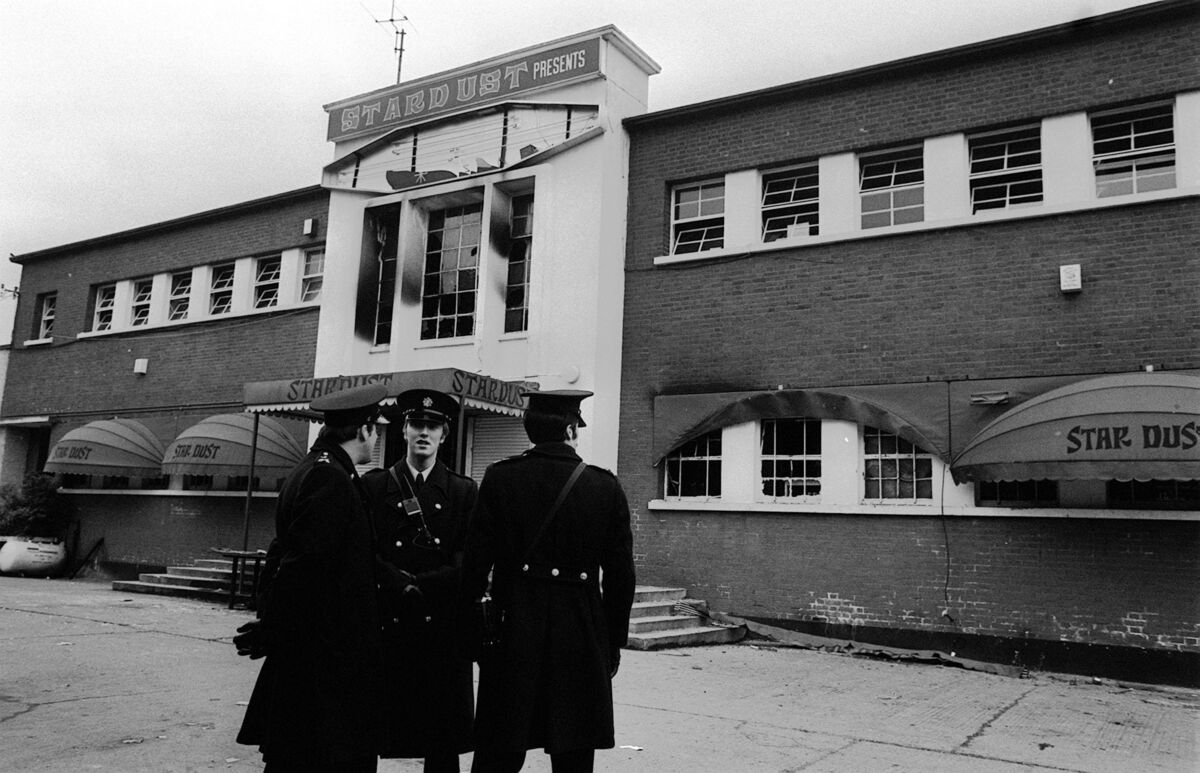
Police stand outside the main entrance of a fire-blackened Stardust Disco in Artane, Dublin, on February 14, 1981. Picture: Tony Harris/PA Wire

Bernard Condon, for the families of victims, said to Ms McConalogue: “I can see you’re upset reliving this.”

The legal teams have, at various junctures with witnesses so far, shown an awareness that they are asking them often very specific questions about an event that happened 42 years ago.

Proceedings so far have shown us the events of the Stardust are clearly seared into the minds of all of those touched by the tragedy, those both inside and outside the venue that night.

But, when shown a detailed plan of the Stardust and asked to pinpoint where a particular occurrence happened or asked where they were standing at a particular time, this has sometimes proven hard to completely pin down for witnesses.

Under questioning from Dr Cullinane, for example, Ms McConalogue was unable to give an exact location for where in the ballroom she had begun to see the ceiling collapse.

And as Mark Tottenham, for the coroner, said to witness Liz Marley — who served meals to patrons in the Stardust, then aged 18 — when she said she was not sure which gap in the blinds she saw flames through into a shuttered off section of the Stardust: “That’s fair enough, it is 42 years ago.”

As Ms Marley would go on to say to another barrister during her testimony: “I’ve spent 40 years trying to forget it.”

Across cash room staff, doormen, waitresses, and floor staff, the inquests have repeatedly heard they had not undertaken fire drills or training on what to do in the event of a fire.

Separate testimony has pointed to concerns from management that patrons were allowing their friends to get into the Stardust for free, and manager Eamon Butterly was said to have been “annoyed” at his staff after seeing people in the venue he believed had been refused admission.

Emergency exits

Another aspect is the emergency exits.

Francis Kenny, who at the time had recently enrolled as a trainee fireman and had been working briefly as a doorman in the Stardust, told the inquests this week of the practice of looping a chain around the bars of exit doors after unlocking them to “trick” people into believing the doors were locked.

Mr Kenny agreed with a barrister acting on behalf of certain families of the victims that a person would reasonably assume they needed to check another exit because one with a chain was locked.

The jury in the Dublin District Coroner’s Court heard that around 22 bodies were found near two of the exits.

The scene in the hours after the tragedy.

The inquests heard testimony read into the record of Harold Gardner, the draughtsman who drew up the plans for the Stardust.

He told the original inquiry into the fire that he had not read statutory fire-protection standards for buildings when the venue was being converted into what became the Stardust.

Yesterday, the testimony of the late Patrick Butterly, father of Eamon, was read into the record.

At the original inquiry, Mr Butterly said he believed the building was up to the standards of Dublin Corporation at the time and it would not have gotten the all-clear from the corporation if it had not. 

He said he had no knowledge of policies concerning the exits and that he had left the running of the Stardust to his son.

“We thought we had a fire-proof building,” he said, months after the fire that killed 48 people.

The inquests continue.

More in this section