Security threats against Irish media organisations force newsroom evacuations
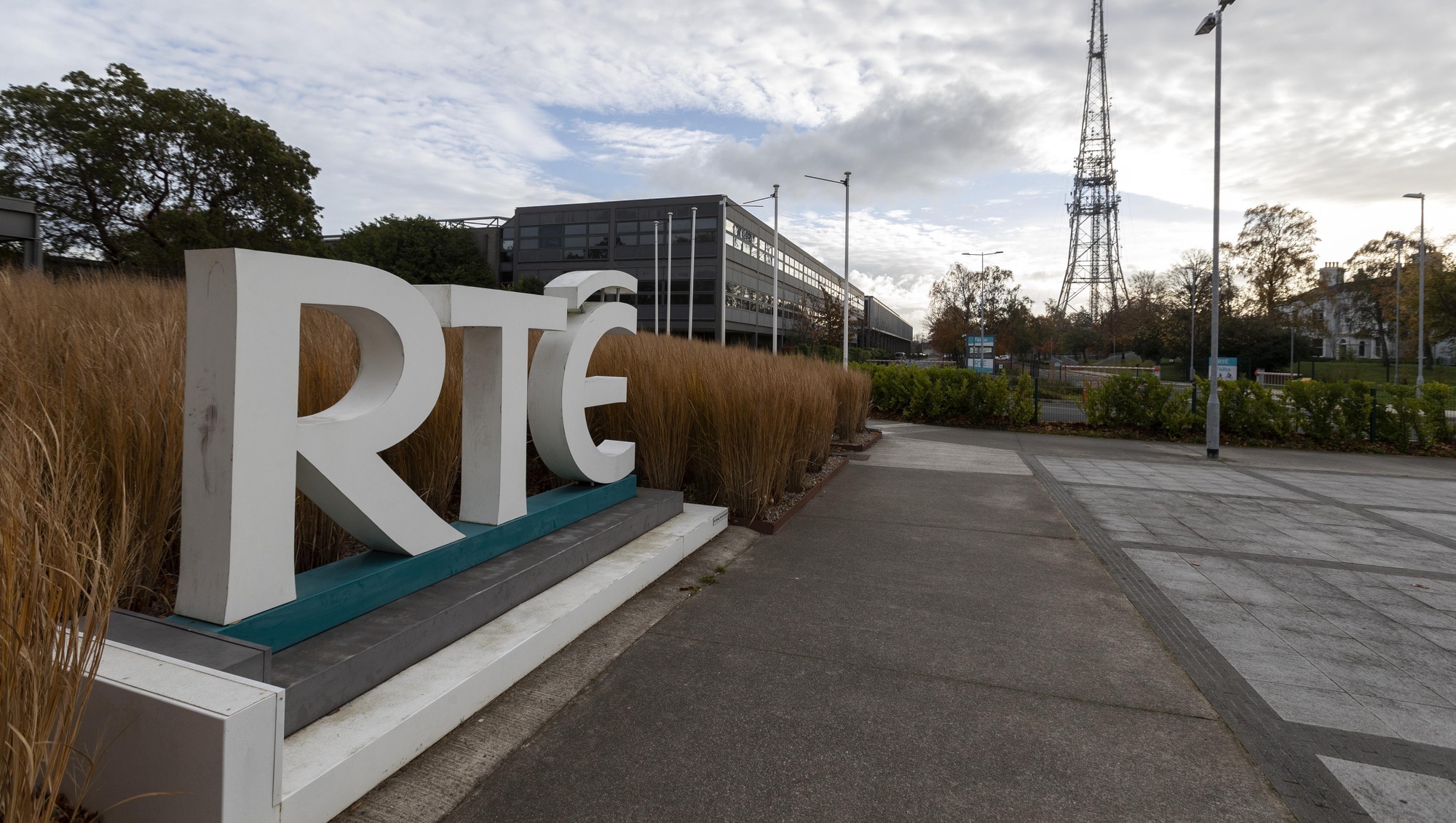
Staff at RTÉ's Donnybrook headquarters in Dublin were evacuated following an alleged security threat, while a heavy Garda presence was reported at the Dublin 4 campus. Picture: Colin Keegan, Collins Dublin
RTÉ and Newstalk have returned to broadcasting after a series of security threats against media organisations prompted evacuations at newsrooms across Ireland on Friday morning.
Staff at RTÉ's Donnybrook headquarters in Dublin were evacuated following an alleged security threat, while a heavy Garda presence was reported at the Dublin 4 campus.
RTÉ Radio One initially replaced its programme with pre-recorded music before presenters confirmed that broadcasting had resumed with the assistance of colleagues at the broadcaster's Cork studios.
Staff at RTÉ's Father Matthew Street premises in Cork were not evacuated, with colleagues confirming: “We have not been evacuated here.”
Newstalk, which is owned by Bauer Media, also evacuated its premises before returning to the airwaves.
The 's Talbot Street offices were among other buildings evacuated after an anonymous threat was sent to newsrooms. Staff were advised to work from home where possible.
An Garda Síochána confirmed it was aware of threats made against media organisations in Ireland and Europe.
In a statement, gardaí said they had been liaising with Irish media organisations and that the threats would be investigated.
Read More
Taoiseach Micheál Martin described the threats as “worrying”, saying gardaí, the Defence Forces, cyber and aviation authorities were working with their European counterparts to establish who was responsible.
Speaking on RTÉ Radio One, Mr Martin said it had not yet been determined whether the threats were the work of individuals or a coordinated attack.
“We will go after this to identify who's responsible and to hold them to account,” he said, adding that skilled experts were working to identify those involved.
Asked whether he was concerned about the threats ahead of next week's European Political Community summit in Dublin, Mr Martin said the Government had been “alive to this risk since before our presidency”.
He said security stakes were “much higher in this period of time than they have been for a long time in Europe”, but insisted the Government was confident in its capabilities and preparations.
Mr Martin also pointed to the scale of hybrid attacks experienced by countries in the Baltics and Nordic regions over the past year, while declining to comment on whether he believed Russian forces were responsible for the latest threats.
Tánaiste Simon Harris also said the threats against media organisations were being “taken very seriously”.
Speaking to Cork's 96FM, Mr Harris described the situation as “very serious and evolving”, following a number of bomb scares involving airlines on Thursday.
“This is evolving in real time — we don't yet know who's responsible, if it's an individual, or a coordinated effort,” he said.
The threats against media organisations come amid a series of hoax bomb alerts targeting airlines across Europe in recent days.
At least 20 threats were made against flights on Thursday, following at least seven on Tuesday, causing significant disruption to airports, airlines and passengers.
The understands security services consider Russian intelligence involvement in the airline threats and recent supermarket cyberattacks across Europe to be credible, although investigations into the incidents are continuing.
CONNECT WITH US TODAY



Be the first to know the latest news and updates