Fórsa rejects Government’s latest appeal as public sector strike set to go ahead
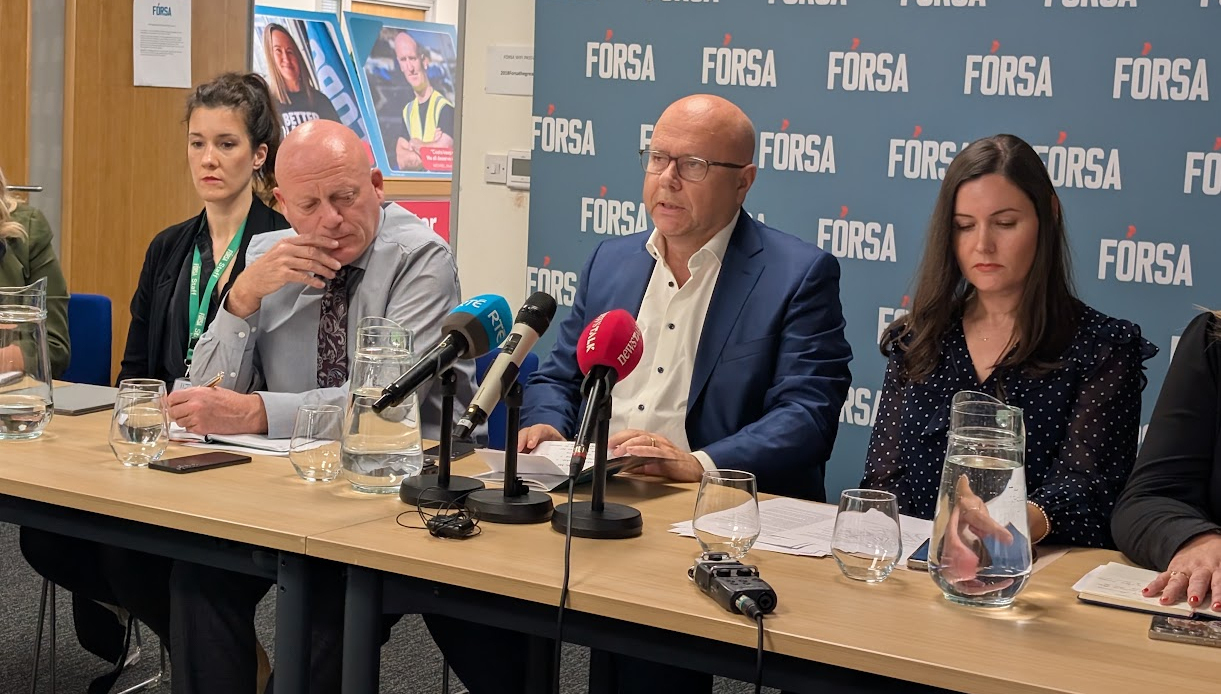
Fórsa union general secretary Kevin Callinan (centre) speaking at Fórsa headquarters in Dublin.
Fórsa general secretary Kevin Callinan has dismissed public expenditure minister Jack Chambers’s latest intervention in the public sector pay dispute, saying it “brought nothing new” as more than 100,000 union members prepare to take part in a work stoppage on Wednesday.
“Government have had months to engage meaningfully and credibly, but instead of taking members’ concerns seriously, they have stuck with the same dismissive attitude,” Mr Callinan said.
“Our members don’t take industrial action lightly. They are prepared to take the strongest stand they can, at great personal cost, to drive home to government how severe the cost-of-living crisis is.”
Mr Callinan said people were struggling to meet their basic needs.
“Putting food on the table, heating their homes, trying to make ends meet. The workers who provide the essential public services we all rely on deserve better than that,” he said.
Mr Callinan said there was still a way to resolve the dispute, but the union needed assurances on pay increases and the protection of members’ living standards.
“There remains a roadmap out of this impasse: we have consistently called for an increase for the second half of this year; we need to be sure living standards will be protected for the duration of an agreement, and thirdly we need a measure that makes up the gap created by inflation of over 5% for the period between 2021 and 2025,” Mr Callinan said.
He added that the union wanted to ensure the “value of pay increases is maintained”.
Read More
The Government has criticised the planned public sector strikes, urging unions to return to the negotiating table amid the ongoing pay dispute.
In a statement agreed at Cabinet, the Government said the strikes were “difficult to justify” given its readiness to engage in talks with public sector unions.
The Government pointed to a letter issued by the Public Services Committee (PSC) on Monday, which stated there had been no change in the Coalition’s position and that strike action would proceed as planned.
“The basis of this decision is not clear and the planned escalation to a public service wide strike causes unnecessary disruption to essential public services, inconvenience for the public and avoidable loss of earnings for public servants,” the statement said.
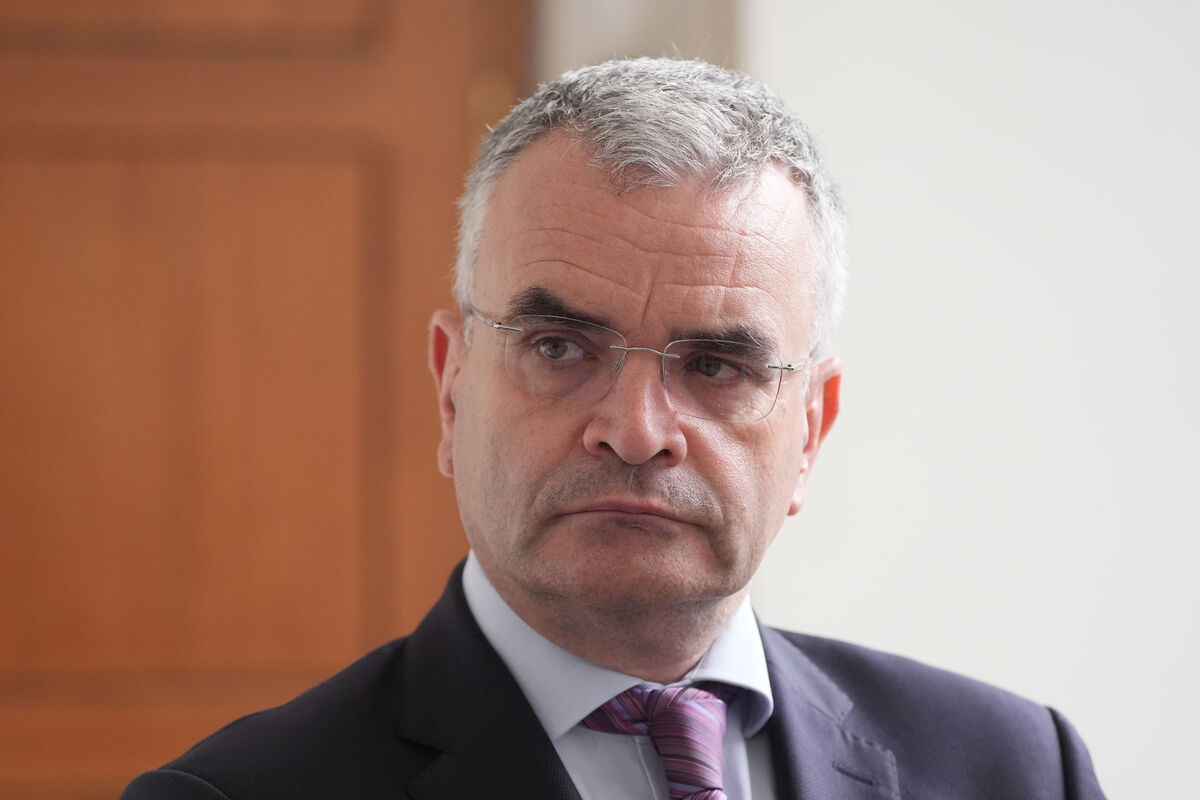
Speaking after Cabinet, social protection minister Dara Calleary appealed to unions to “sit down and negotiate”, while acknowledging that their demands were not unreasonable.
“I think the unions are representing their members and they’re responding to the pressure that’s there in terms of cost-of-living. We absolutely accept that,” Mr Calleary said.
Mr Calleary pointed to budget supports announced last week, saying the resources to provide them were available because of the Government’s economic policies.
“The kind of investment we can make in public service pay in 2027 is a consequence of the economic success of this country,” he said.
The minister declined to say whether funding beyond the €1.2bn allocated for the pay deal would be made available, saying there was “no point” negotiating through the media.
Earlier, Mr Chambers accused union leaders of being “completely unfair and unreasonable” by proceeding with strike action without engaging with the Government.
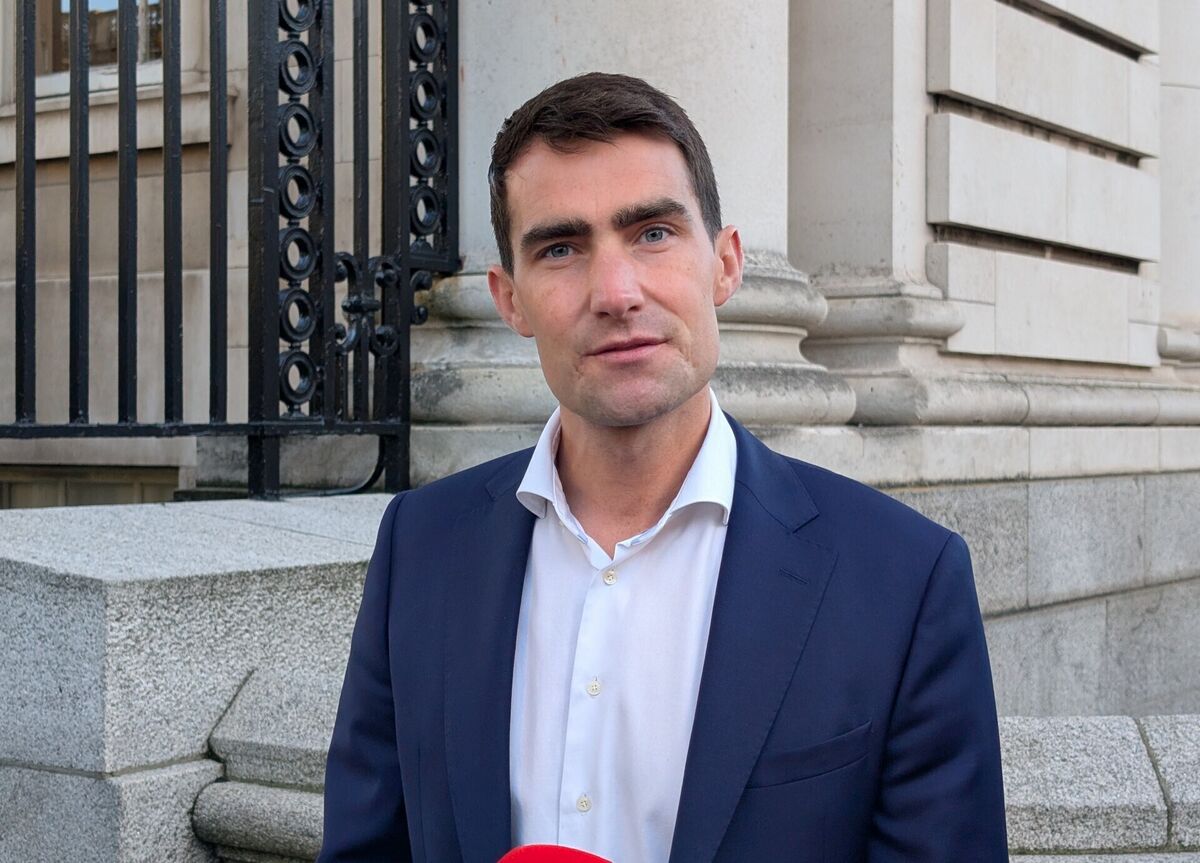
He said the Government was ready to hold “constructive and meaningful discussions” on a new public sector pay deal, but warned that the planned stoppage would cause significant disruption.
“We're very clear. We want to discuss pay as a priority, and indeed discuss all of the respective issues that they have, but continuing and pursuing strike action tomorrow is going to cause significant disruption to many people across the country,” Mr Chambers said.
The public expenditure minister said it was “really unfair” on the public to proceed with the strike, pointing to school closures and the cancellation of hospital appointments.
He rejected claims that the Government had approached unions too late with an offer of talks, saying contact had been made in June but union leaders had walked out and initiated a ballot for strike action.
Mr Chambers said an attempt on Monday to bring the Irish Congress of Trade Unions’ (ICTU) public sector committee into the Workplace Relations Commission was a sincere effort to resolve the dispute.
“Continued refusal to talk and escalation of this is simply unfair on the public,” he said.
“I'm transparent and clear. We want to get this resolved quickly, and we want to have talks commenced.” Asked whether funding beyond the €1.2bn allocated in the budget could be used to secure a deal, Mr Chambers did not respond directly, reiterating that the Government wanted talks with unions.
Meanwhile, Labour’s finance spokesperson Ged Nash said the “rules of engagement” had changed following April’s fuel protests.
Mr Nash said the Government had helped create the conditions for the strike by not providing an income tax cut in Budget 2026 while agreeing to “sign a cheque to respond to the demands of those who blockaded ports”.
“So the rules of engagement have changed, and Government needs to understand this,” Mr Nash said.
He described exploratory talks in June as “less than meaningful” and said the Government knew the strike was coming.
“This is a rod that they’ve created for their own backs.”
CONNECT WITH US TODAY



Be the first to know the latest news and updates