Regulator pushes for online platforms to be 'removed from market' if they do not protect children
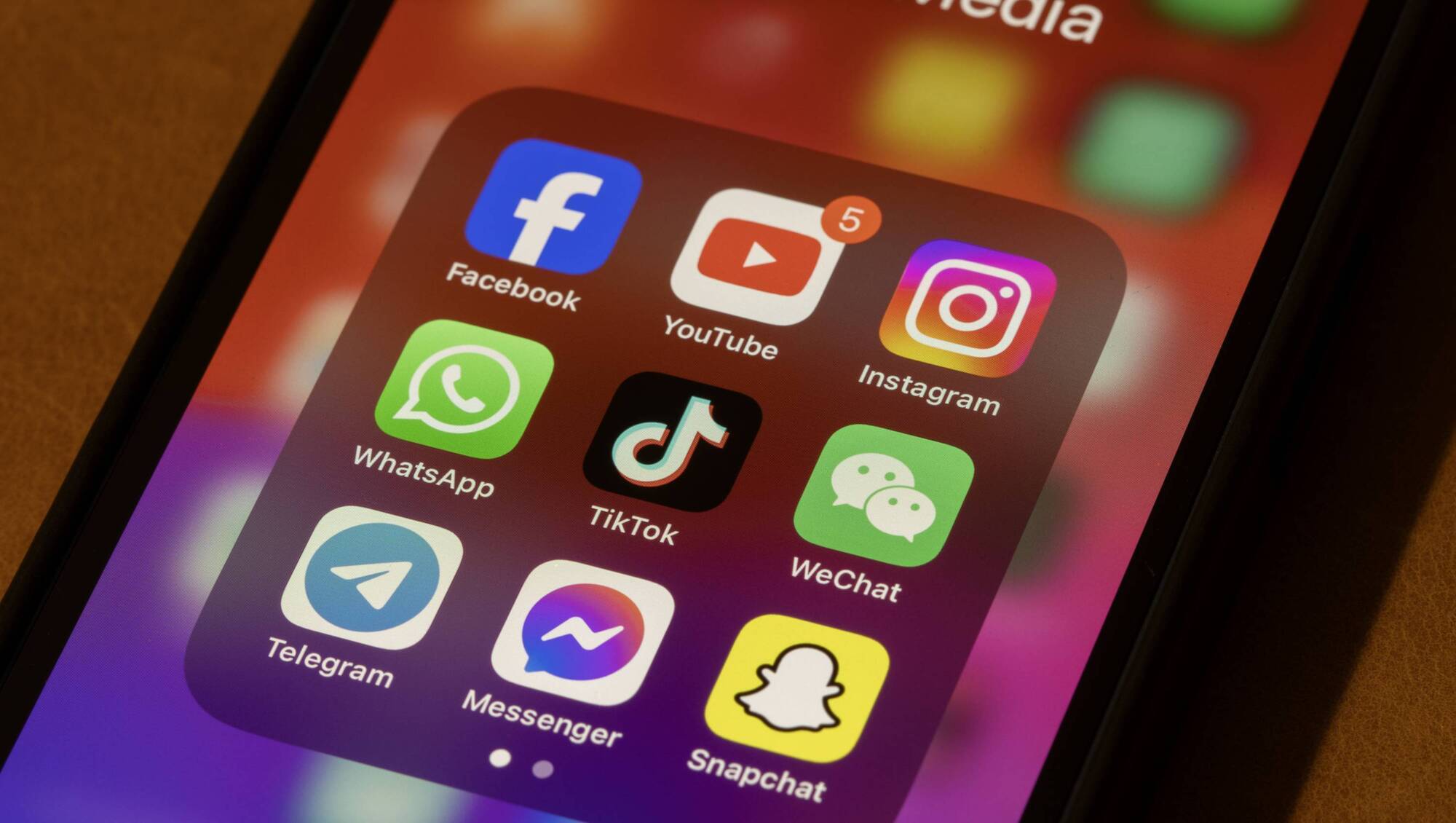
Tiktok, Meta, and Google could not provide information to the hearing over the number of videos or posts they have referred to the gardaí. File picture
Online platforms that do not fully protect children from unsafe content should be "removed from the market", similar to how faulty toys are taken from shop shelves, the media regulator has said.
It comes as Tiktok failed to provide information on the number of people who viewed viral motorway videos before they were taken down, despite sustained requests from politicians.
The social media giant, which has 2.5m active users in Ireland, did reveal that 42,000 clips that were deemed to contain "dangerous activity and challenges" from Ireland were removed from the site in the first half of the year — a category which includes dangerous driving and car thefts.
Five masked teenagers were killed after driving a BMW the wrong way down the M9 motorway last month. Their vehicle collided with another car that was carrying three sisters and a seven-year-old boy, who all suffered serious injuries.
Tiktok carried out a further trawl of content in the wake of the M9 crash. That identified 1,600 videos related to "the broader category of vehicular theft, highly risky driving, and behaviours related to that".
When further pressed by members of the Oireachtas media committee, Tiktok's global head of policy in trust and safety, Zachary Hecht, confirmed that under 30 of these videos related directly to driving the wrong way.
Read More
Expressing disbelief, Fianna Fáil TD Peter 'Chap' Cleere told Mr Hecht that he had personally seen far more than 30 videos where drivers were going the wrong way on motorways, some of which had been viewed tens of thousands of times.
It was pointed out that while Tiktok could say that 86.5% of the videos involving dangerous behaviour had 10 views or fewer, the platform could not provide details around how many people had watched the other 13.5% of clips.
Neither could Mr Hecht say how many were "amplified" by the platform's algorithms and recommendation system.
Also appearing at the committee, Coimisiún na Meán chairperson Jeremy Godfrey suggested that tougher action should be taken against platforms that do not protect children and highlighted court actions as a factor in the work they do.
He told politicians that "it's a very litigious environment", adding that every case the regulator has opened has had "an immediate judicial review".
Mr Godfrey said: "Our view as a regulator is that the most effective way of dealing with services that are unsafe for children is that they should be age-gated so that only adults can use them.
"If an unsafe toy comes into the market, the market surveillance authority can require it to be taken off the shelves of toy shops.
"We think we should just remove these things from the market, rather than worrying about investigations and fines and so forth. Just get unsafe services that are not safe for children from the market."
There were testy exchanges as politicians, including Fianna Fáil’s Pádraig O’Sullivan, repeatedly asked for information around viral videos from Tiktok, Meta, and Google representatives who all appeared.
X refused to attend the committee hearing.
TikTok, Meta, and Google could not provide details on the number of videos or posts that they have referred to the gardaí.
Committee chairperson and Labour TD Alan Kelly strongly hit out at the social media representatives, describing the lack of information as "concerning".
"I don't think you should appear in front of the committee without the figures," he said.
He suggested that online platforms should be held criminally responsible if they fail to act, adding that fines are not going to work because they are now "built into the baseline" of these companies.
"The whole dial is going to have to change," he said. "Instead of countries trying to meet your requirements, you're going to have to meet our requirements.
"And if you don't meet those requirements over a period of time, based on an audit, based on a percentage of failing, well, then you're going to have to be held criminally liable.
"I think we're at a watershed moment for these companies, not just Tiktok, but it is the platform of choice for most young people, as we all know."
- Elaine Loughlin, Political Editor
CONNECT WITH US TODAY



Be the first to know the latest news and updates