Massive overcrowding 'fuelling drug use and tensions' in prisons
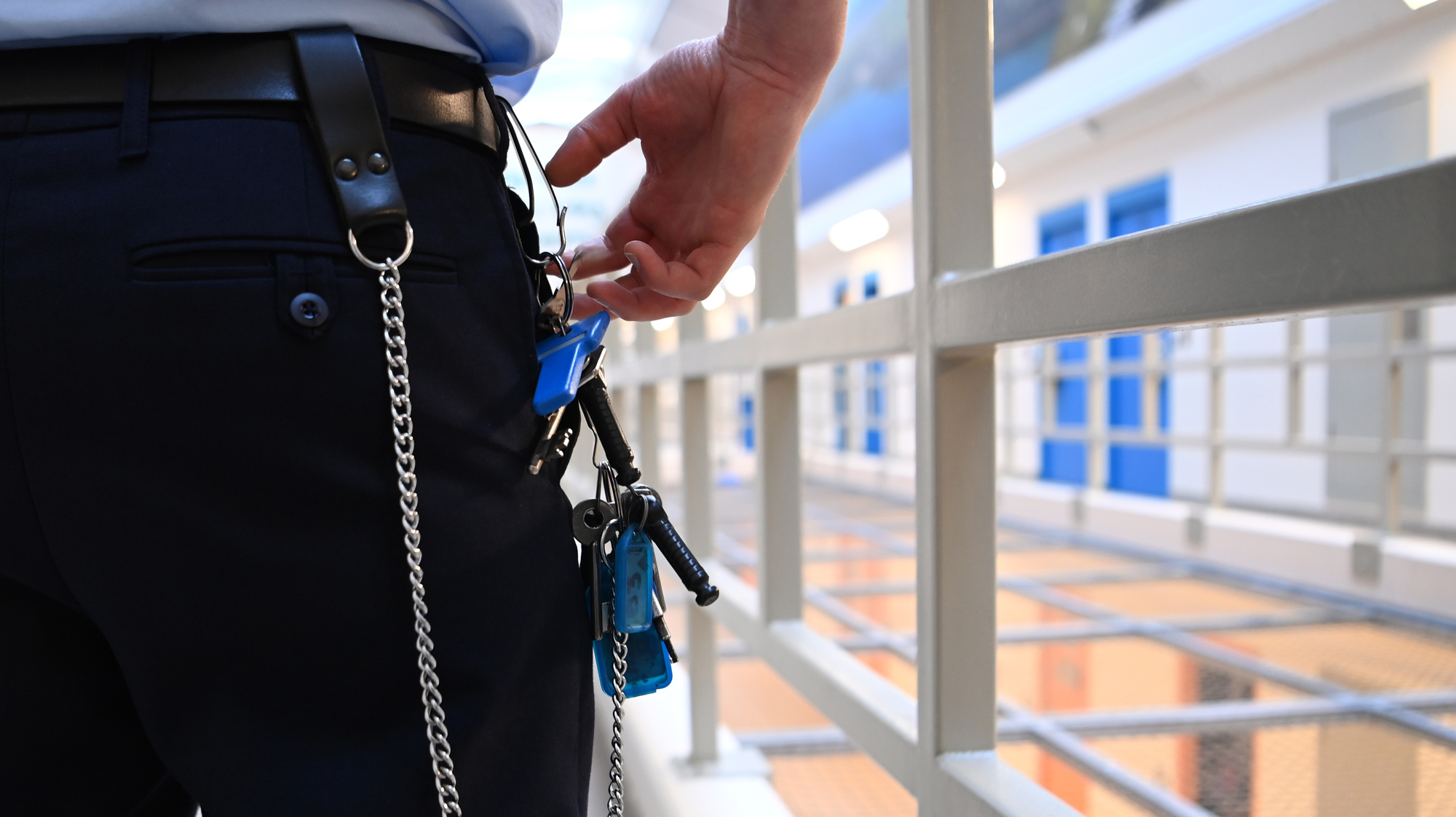
Over 70% of inmates have an addiction problem. Picture: Dan Linehan
Ireland’s top prison chief has said that “massive overcrowding” in jails is “fuelling drug-taking”, adding to counselling waiting lists and destabilising security.
Caron McCaffrey said there is a “pipeline” from schools to prison in some disadvantaged communities and that society “needs to break” that supply line.
The director general of the Irish Prison Service told the Oireachtas Committee on Drugs Use:
- 4,500 inmates is the maximum number the system can hold, but there are around 5,000 prisoners;
- 250 people are sleeping on mattresses, with the remainder on bunk beds;
- 600 prisoners are seeing an addiction counsellor, but 800 are waiting;
- 600 inmates are seeing a psychologist, but 2,000 are waiting;
- 14 is the average age prisoners have left the school system;
- Over 70% have an addiction problem;
- 60% have a personality disorder;
- 28% have an IQ of less than 70 (average 85-115).
The Oireachtas Committee on Drugs Use is holding hearings on the recommendations of the Citizens’ Assembly on Drugs, which reported last January.
Ms McCaffrey said the average school-leaving age for prisoners was 14, which she described as “sobering”.
She said there were more than 600 prisoners in addiction counselling but that more than 800 were waiting, reflecting the “scale” of the problem.
She said there were 19 Merchants Quay counsellors and funding has been sought to increase that to 24. She said 600 inmates were seeing a prison psychologist, but 2,000 were on a waiting list.
Ms McCaffrey said they were setting up a recovery initiative, where prisoners in the system who have overcome their addictions are being trained as “recovery coaches” for other inmates.
She said both the IPS and the HSE have put in funding requests to set up a dual diagnosis (people with addiction and mental-health problems) pilot in Cork Prison.
Ms McCaffrey said drug usage in jails results in disruptive behaviour, prisoners in debt, and pressure being put on them and their families.
She said there was “massive overcrowding” in the system, with just under 5,000 prisoners for 4,500 spaces.
“We have 1,000 more prisoners in the last year; 250 are today sleeping on mattresses and that has a huge impact," she said.
"It fuels greater drug-taking; overcrowding has a real impact on people and waiting lists get longer.”
Anna Quigley, co-ordinator of the CityWide Drugs Crisis Campaign, a national network of community drugs action groups, said national drug policies must put communities back into the centre of decision-making.
She said the high-level inter-agency National Drugs Strategy Team, which brought together senior civil servants and community representatives, worked for over 10 years after it was set up in 1996.
However, she said, that was replaced by a centralised civil service structure and the joint approach was “completely lost”.
Linked to that, she added, was the failure of policy to reflect the reality that the impact of the drugs trade — both use and supply — is hardest in disadvantaged communities and is linked with poverty, inequality, and inadequate social services.
CONNECT WITH US TODAY



Be the first to know the latest news and updates