McEntee launches bill to criminalise sharing intimate images without consent
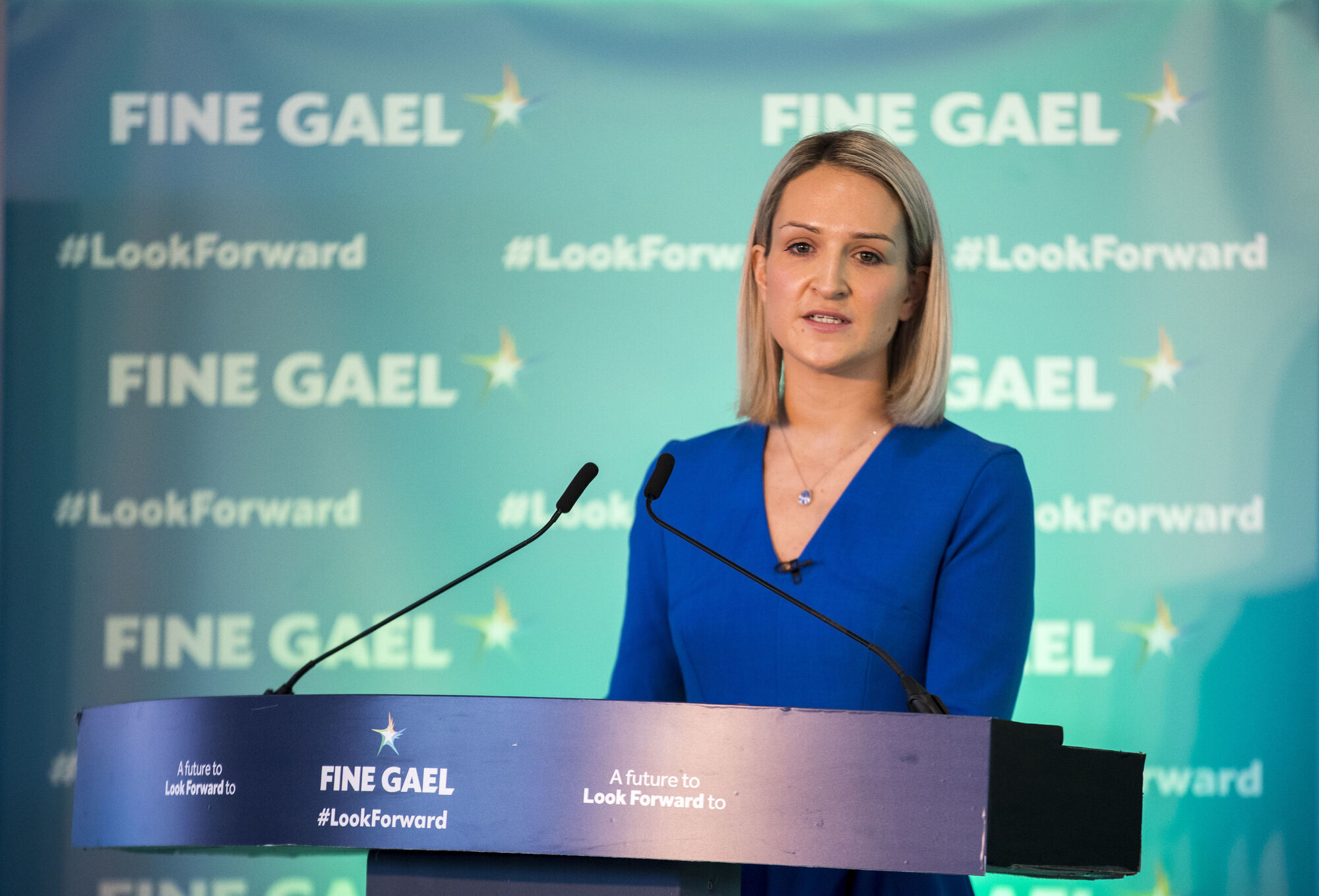
Justice Minister Helen McEntee hopes the legislation sends out a clear message that making and sharing intimate images without consent is unacceptable. Picture: Liam McBurney/PA Wire
Helen McEntee has launched a new bill that would make the making and sharing of intimate images without consent a crime.
The new law, which would see perpetrators jailed for up to seven years, has been sparked by a recent leak of thousands of intimate images of Irish women without their consent.
The Harassment, Harmful Communications, and Related Offences Bill will be brought before the Justice Committee on December 1. The government hopes it can be passed before the end of the year.
The first part of the law would see those who share intimate images without people’s consent with intent to cause harm jailed for up to seven years and facing an unlimited fine.
The second would make it an offence to take, distribute or publish an intimate image of someone without their consent, regardless of the intent to cause harm. This will be punishable by 12 months in prison and/or a €5,000 fine.
All types of media will be included in the legislation due to the continuing evolution of social media.
The leak came to public attention last week when Victims’ Alliance, a victim advocacy group, uncovered thousands of images of Irish people being shared on internet forums such as Discord.
Some images appeared to have been taken without the women’s knowledge, such as from changing rooms, or while they were asleep, while others appeared to be of minors, the group said.
Some of the leaked images were initially shared on the subscription service ‘OnlyFans’ which were then taken without the women’s consent and uploaded to forums. Some of the women had shared the images with their partners and found they were later uploaded online without their permission. Others were taken from Tinder or WhatsApp.
Helen McEntee said that there was a particular focus on “consent” when crafting the legislation.
“This is the first time that it will be a criminal offence to spread intimate images without consent, she said.
“The main safeguard for those (sharing images) who are under 17, a recommendation would have to be made by the DPP. We need education for young people about the effect this can have on people.
“An online platform will now be obliged to take the content down. Under EU legislation a platform is obligated to take down imagery that is illegal, and by us making it illegal, that will hopefully make that legislation clearer for it to be taken down.
“On what happened last week, it’s an ongoing investigation, but this itself was something I had been engaging on previously and gave a commitment months ago. This is absolutely a priority for me I identified very early on, and for all parties in the Dáil.
“I hope this sends a clear message that this is not acceptable. I’m confident with all the party’s support in the government it will be passed.
“Around the harassment piece, we’re amending harassment legislation that already exists. We’re taking into account the effect it has on people’s mental health and well-being.” Ms McEntee has worked on the new bill with Labour TD Brendan Howlin, who brought a similar bill on image-based sexual abuse last year.
Labour leader Alan Kelly said the government had “some neck” to present the bill as their own.
“There's neck in politics, and there's neck,” he said. "This is a Labour Party bill the government have copied.
“Now, that's a form of flattery and we take the flattery, but at least acknowledge it.”
CONNECT WITH US TODAY



Be the first to know the latest news and updates