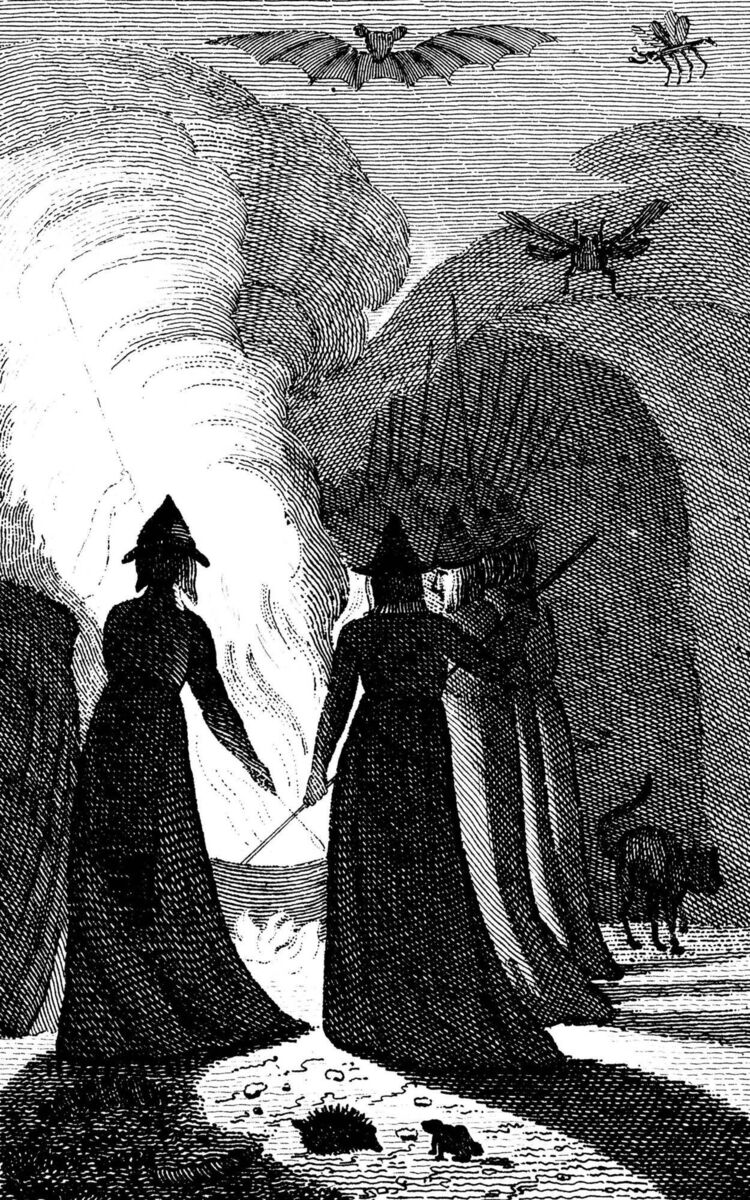
Ellen Ryan: 'Our draw to the witch reflects our timeless fascination with women of power'
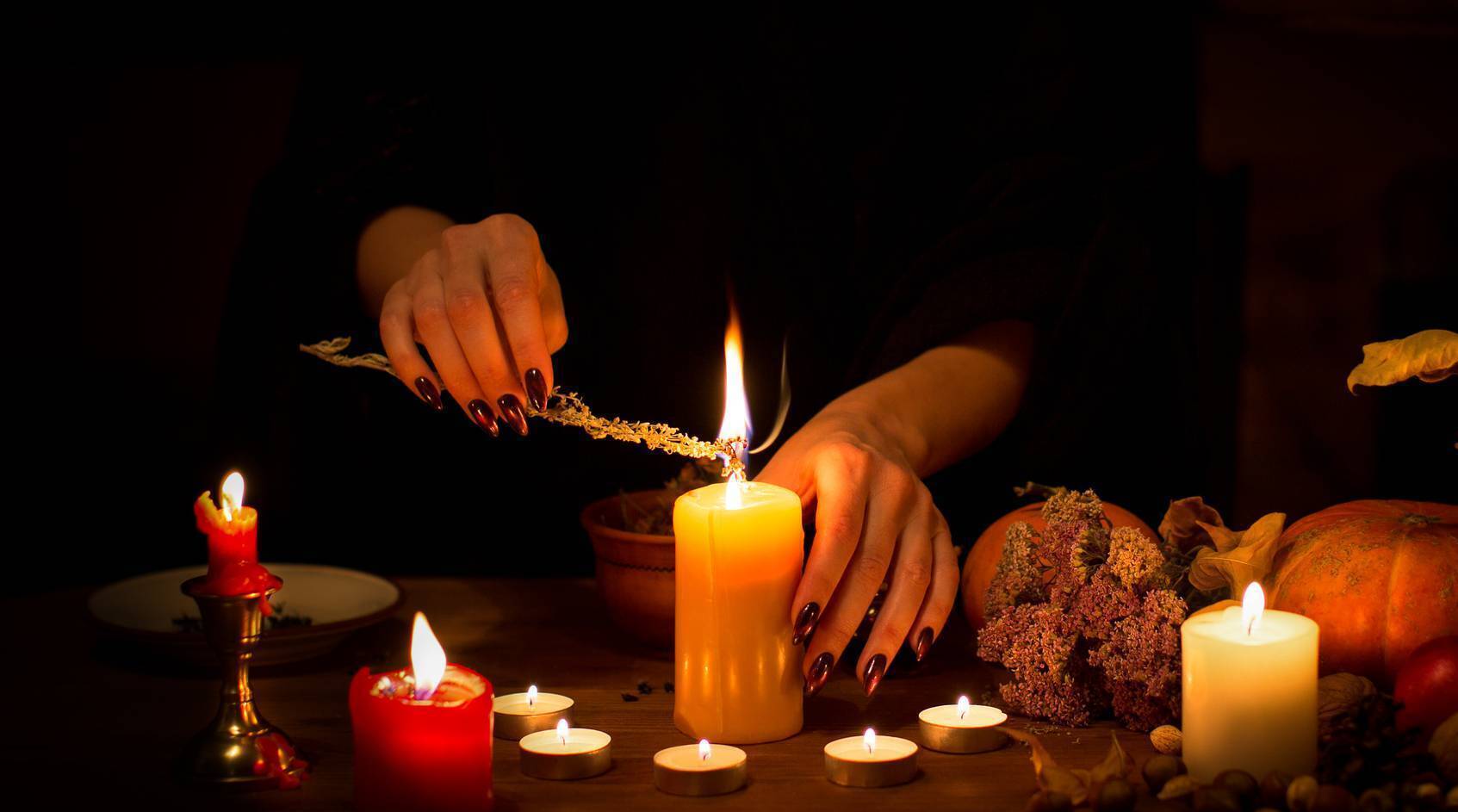
In recent decades, many parts of the world have become more secular. But we still crave spirituality, and this has led to a renewed interest in paganism, writes Ellen Ryan
Ellen Ryan: While researching for my book, They Called Us Witch, I spoke to women of magic from around the world who don’t share the freedoms afforded to women here.

Ellen Ryan: While researching for my book, They Called Us Witch, I spoke to women of magic from around the world who don’t share the freedoms afforded to women here.

The witch is a cultural phenomenon.

Social media hashtags such as ‘WitchTok’ have been viewed billions of times. The online marketplace Etsy has become a go-to site for hiring witches. And in the last year we’ve seen the blockbuster release of Wicked: For Good and Practical Magic 2. Even Disney is getting in on the act, with its upcoming animation, Hexed.

Then there’s the act of witchcraft itself. Who isn’t manifesting these days? Or forest bathing, reading tarot, learning about astrology or using crystals?

People are quick to call the rise of witchcraft a trend. But in the nineties, we had Buffy the Vampire Slayer and The Craft, Hocus Pocus and Sabrina the Teenage Witch. The early days of social media quickly birthed pagan chat rooms on Tumblr. And what girl didn’t know someone with a Ouija board, or go to a sleepover and try to lift their friend with one finger?

We can further rewind to the 1970s, when Japan was going through its ‘occult boom’ which involved a surge of interest in both traditional shamanism and Western occultism; or go back to the 1800s, when everyone from W.B. Yeats to Irish revolutionary Maude Gonne was a member of an occult society. While in the ancient Han Dynasty of China, witches were arguably as widespread as they now are on Etsy.

So, this is not a trend. Women have not suddenly been drawn to the witch as a fad fuelled by the media. Rather, the media is responding to our timeless fascination with women of power. But while this fascination has existed throughout history, it could be fair to say that more women are now openly naming themselves as witches. And there are several reasons we can attribute to this shift.

Ellen Ryan says that our pagan traditions have huge appeal to those seeking a more grounded relationship with our environment and the chance to re-centre in a busy, 

In recent decades, many parts of the world have become more secular, and modern women can feel alienated from the patriarchal religions in which they were raised. Yet they also crave spirituality, and this has led to renewed interest in paganism.

In Ireland, Christianity has always existed alongside older pagan beliefs, whether it is our caution of the fairies or our belief in ‘cures’. And we see this blending of beliefs in our witches. A famed Wise Woman named Biddy Early provided healing during the Great Famine and was known for communing with the fairies. She was accused of witchcraft but no one was willing to testify against her. And when she later died, it’s said that several priests attended her funeral. So perhaps here, women don’t have to choose between being Christian or a witch — they are free to be both.

Globalisation and the solidarity it fosters could also be a factor. By now, many of us have seen the viral social media slogan — We are the Daughters of the Witches You Couldn’t Burn. It struck a deep chord with many people, and understandably so. Between the 15th and 18th centuries, about fifty thousand people across Europe – mostly women – were tried as witches, tortured into making confessions, and executed. Similar atrocities were taking place throughout the Americas, from the Caribbean to the infamous Salem trials in North America.

What the slogan doesn’t address is that these witch burnings are not just a sad chapter in history books. In 2009, UN officials warned that the murder and persecution of people accused of witchcraft was spreading around the world. Today, there are places where to be called a witch can still be a death sentence, or at best, brings stigma and rejection.

While researching for my book, They Called Us Witch, I spoke to women of magic from around the world who don’t share the freedoms afforded to women here. Haitian-Canadian scholar Bianca Beauchemin says everyone in Haiti practices Vodou in one way or another but denies this because the religion has been so demonised in the West. Romani fortune teller Jezmina Von Thiele says her people still face legal persecution across the world, just for practising their trades. And Paloma Iris, a Puerto Rican bruja/witch, was rejected at home for her spirituality. But Mi, a Mudang or priestess of Korean shamanism believes that when any of us, anywhere, reclaim the word witch, we align ourselves with all women labelled as such. This shared belief in magic is a powerful way to connect, come together, and reduce stigma for all. Thus, the simple act of identifying as a witch can be an act of solidarity and activism.

In a world more digitally connected than ever, but where people are experiencing unprecedented levels of social isolation, witchcraft also offers a powerful sense of community.

The witch offers self-empowerment, a connection to nature and a sense of community.

Some years ago, Paloma Iris saw an advertisement for a Taíno healing group. As the Taíno are her ancestral people, she decided to join. It proved a life-changing decision as their support, as much as their spiritual rituals, helped her to embrace her whole identity, both as a witch and a trans woman. While Mudang Mi has found great empowerment in connecting with women from other practices, from Haitian Vodou to Mongolian shamanism. Mi now holds open, online rituals to manifest change in response to political injustices and finds it extremely powerful to see women of magic across practices come together with the same goal.

Reconnecting with nature is another motivating factor. Our pagan traditions have huge appeal to those seeking a more grounded relationship with our environment and the chance to re-centre in a busy, fractured world. Far from dancing with devils and flying on broomsticks, the life of the witch promises women some much-needed peace in a noisy, ever-spinning world.

But of all the reasons we turn to the witch, the most compelling and enduring is perhaps our desire for greater power.

Despite positive change in the workplace and in our laws, women are still vulnerable when they walk home alone in the dark. Many fantasise that if they had magical powers, they might move through the world, unafraid. Because when we believe we are stronger, we project that belief into the world and convince others of the same.

So, whether you believe in magic or not, the witch offers self-empowerment, a connection to nature and a sense of community.

They Called Us Witch by Ellen Ryan

  • They Called Us Witch by Ellen Ryan is published by HarperFire

More in this section