Donal Hickey: Making room for bats
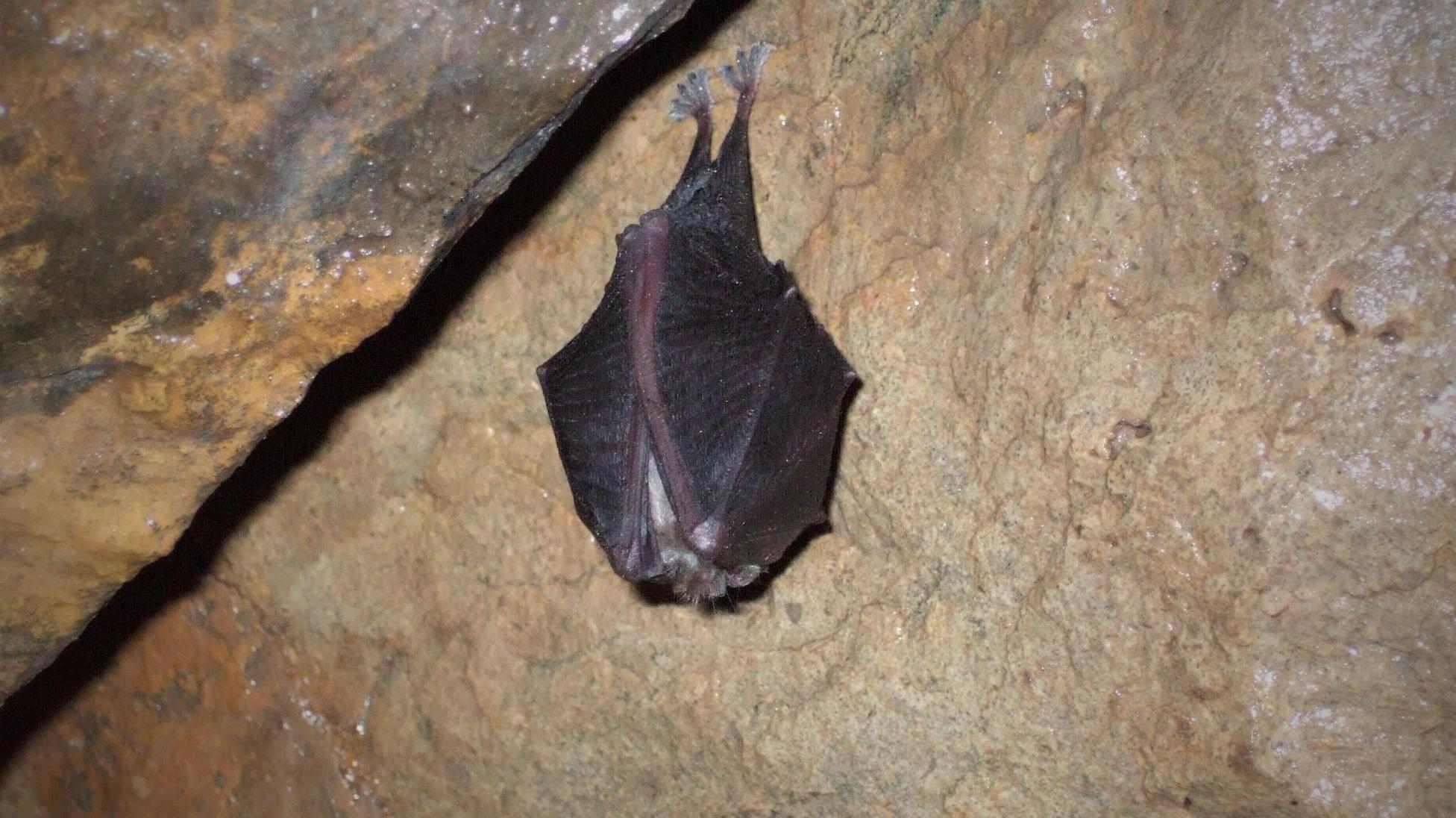
Lesser horseshoe bat (Rhinolophus hipposideros) is one of nine bat species in Ireland
With Halloween approaching, bats come more into people’s minds as spooky symbols of this ancient Celtic festival of Samhain and are associated with witches, ghosts and other weird, mysterious beings of the night.
For such reasons, bats have earned quite a fearsome reputation. In folklore, the bat has been portrayed as a messenger of death, just like the banshee, and the myth goes that if one gets into your house a death can follow.
It all fits in with the timing of Halloween, marking the transition from autumn to winter, long nights of darkness and a season when people traditionally think of the afterlife and the dead. Today, there can’t be too many people who are afraid of bats which have become a source of fun for masked children running around in black cloaks on dark evenings.
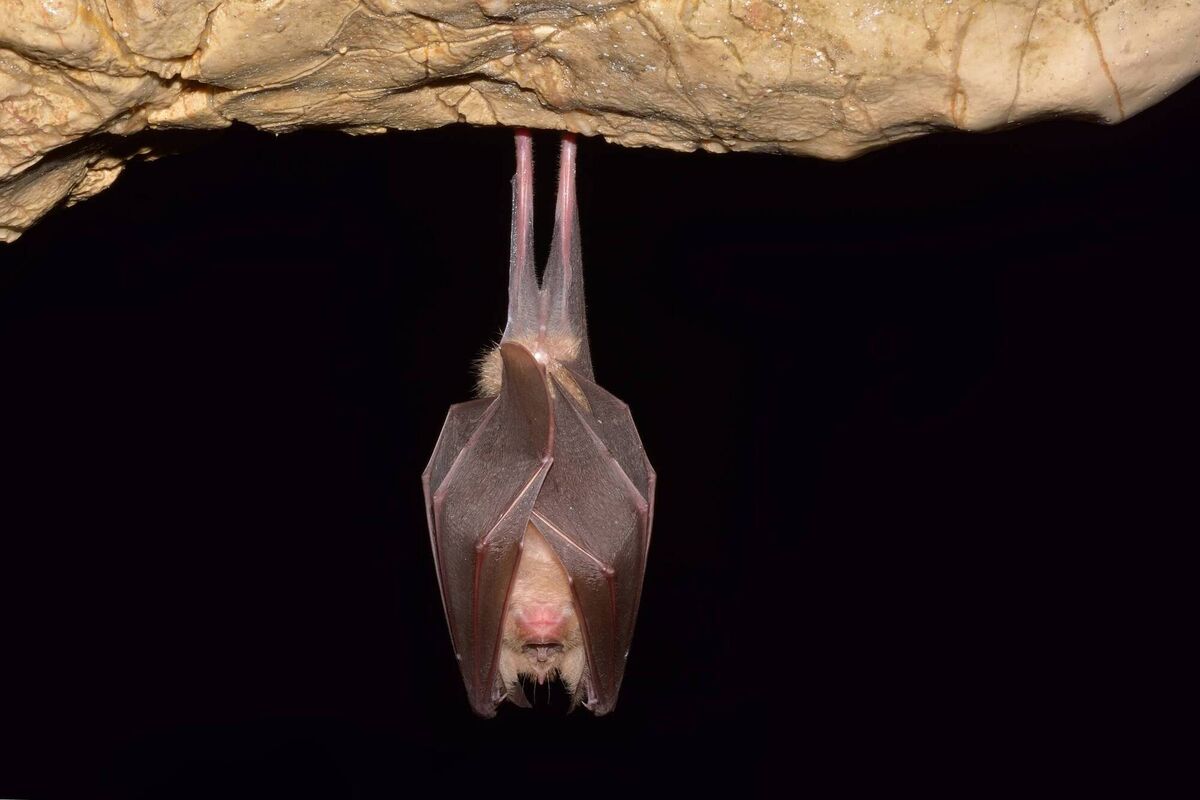
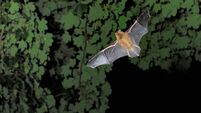
We have nine bat species in Ireland, all protected under national and EU laws. They are, of course, harmless creatures playing a useful role in gobbling up insects that might otherwise be a nuisance to people, such as midges in summertime.
Bat projects are underway with the co-operation of farmers, benefiting bats but with no negative impacts on day-to-day farm work. The EU-funded lesser horseshoe bat conservation project, for instance, is based along the Mulkear River, in County Limerick. This particular bat is probably the one most dependent on the buildings and outdoor habitats of farms.
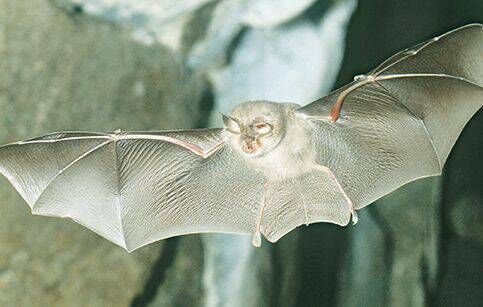
County Limerick is a critical link between the lesser horseshoe bats found in West Cork and Kerry and those in counties Clare, Galway and Mayo, according to the Vincent Wildlife Trust. There are only 13,000 horseshoe bats within these six counties but, due to changes in the landscape over time, colonies are becoming isolated, which places the overall population at risk of inbreeding.
The conservation status of the lesser horseshoe species (so called because of the shape on its face) was recently downgraded from ‘favourable’ to ‘inadequate’. Further declines in its distribution and range are inevitable unless action is taken to conserve it. Research finds that river systems are key, potential corridors for the species.
The Mulkear project is providing new and permanent summer roosting sites for the species in lowland locations within the river catchment and highlights the important role farmers play in bat conservation.

WHAT IS...
Biodiversity
...Read more
New roosts are being located on farms within a few kilometres of waterways, or woodlands, that will, in time, increase the chances of this species being able to connect with colonies in other areas of Limerick and even in neighbouring counties. Meanwhile, Bram Stoker, author of the 1897 novel, , has a lot to answer for: he linked bats with vampires, planting fears in people’s minds.
CONNECT WITH US TODAY



Be the first to know the latest news and updates