Juanita Browne: Return of migrant birds a sign summer is on its way
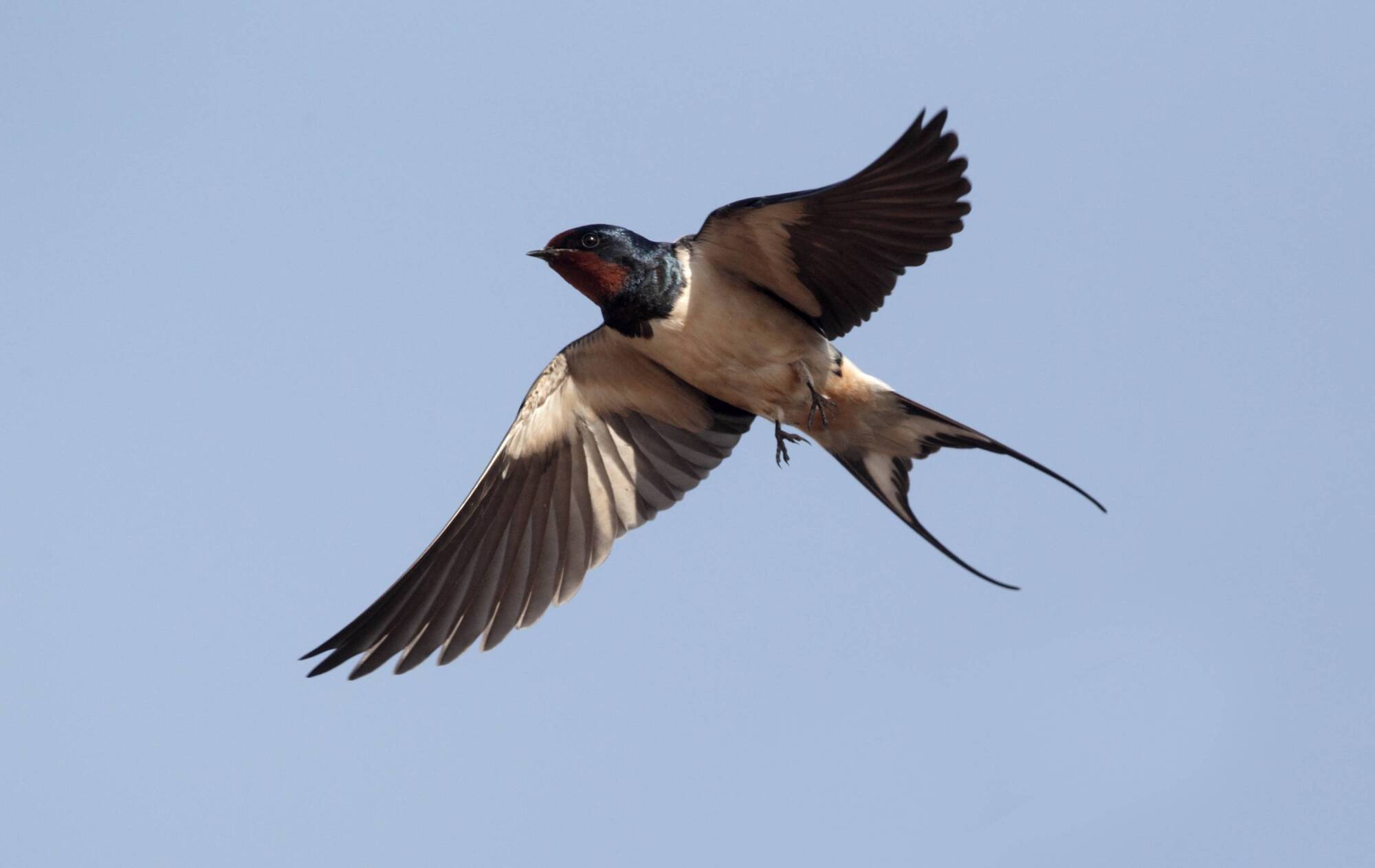
Barn swallows are usually seen in flight or perched on overhead wires.
For many of us, the return of migrating birds heralds the start of summer, so it’s always heartening to see swooping barn swallows appear again above our heads. A wonderful international project called ‘Spring Alive’ from BirdLife International, aims to track a selection of different summer migrants as they travel to their summer haunts, four of which choose sites in Ireland to spend the summer and are easy to identify: the barn swallow, sand martin, cuckoo and the swift. By logging your sightings you will help to populate an interactive map that shows records across over 50 countries in Europe, Central Asia and Africa.
Spring Alive especially helps to foster children’s interest in nature and the conservation of migratory birds and to encourage action for birds and other wildlife as well as participation in events organized by BirdLife’s partners, such as BirdWatch Ireland, our national NGO for the conservation of birds, their habitats and other wildlife.
Birds can be found in almost every part of the world and often migrate vast distances. Citizen science helps to keep track of bird numbers and how they are changing around the globe. With this information, we can identify species and habitats that are under threat, and act to help them. It’s important not to underestimate the value of such citizen science projects. Citizen science has produced very important discoveries. For instance, the volunteer bird counters of the Pan European Common Bird Monitoring Scheme helped to discover that Europe has lost around 600 million breeding birds in the last 40 years, in large part due to the spread of intensive farming.
We often mistake barn swallows for house martins, but the key is in their names. ‘Barn’ swallows nest in open barns or outhouses, while ‘house’ martins build their mud nests on the gables of houses. Barn swallows have long ‘streamers’ on their tails, while house martins have shorter tail feathers. It’s amazing to think that these birds have flown to Ireland all the way from South Africa, about 10,000km, over the Sahara desert, often returning to the exact same nests each year. They are thought to fly about 320km each day during their migration. What to watch out for? Barn swallows are usually seen in flight or perched on overhead wires, but they will land on the ground to gather mud which they use to build their nests.
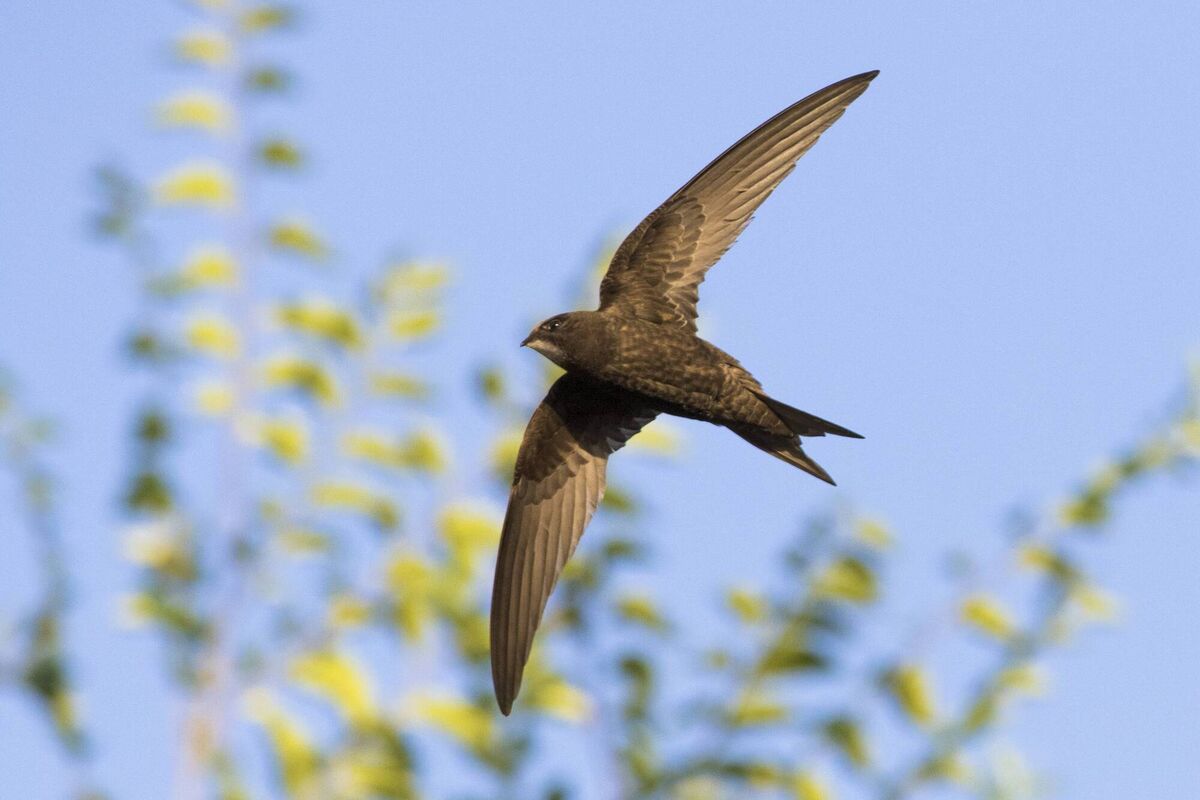
There is no bird with a more airborne lifestyle than the swift. This amazing flyer eats, breeds, and even sleeps on the wing! Like swallows, they feed on flying insects such as midges and flies. They have long scythe-like wings, and a short tail so they won’t be confused with swallows. Swifts have suffered huge declines in recent years but BirdWatch Ireland runs some excellent swift conservation projects to provide new homes for these amazing birds.
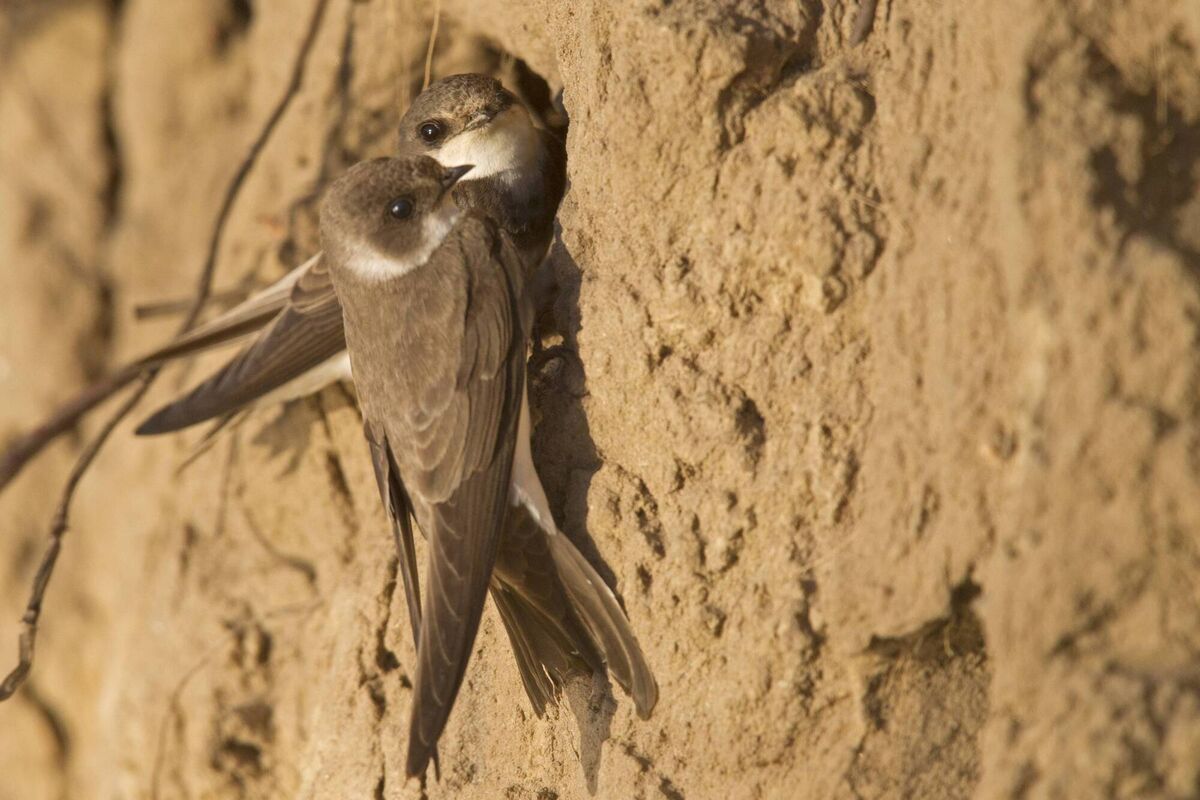
The sand martin is smaller than the house martin or swallow, and can be easily identified by its dark brown upperparts and white underparts. It has a brown band under its neck. They can often be seen flying over water, on inland lakes and around the coast, feeding on flies above the surface. They nest in small colonies, excavating tunnel nests in sandy banks of lakes, coastal cliffs, and also in old sand pits or quarries. The tunnel can be 1m deep.
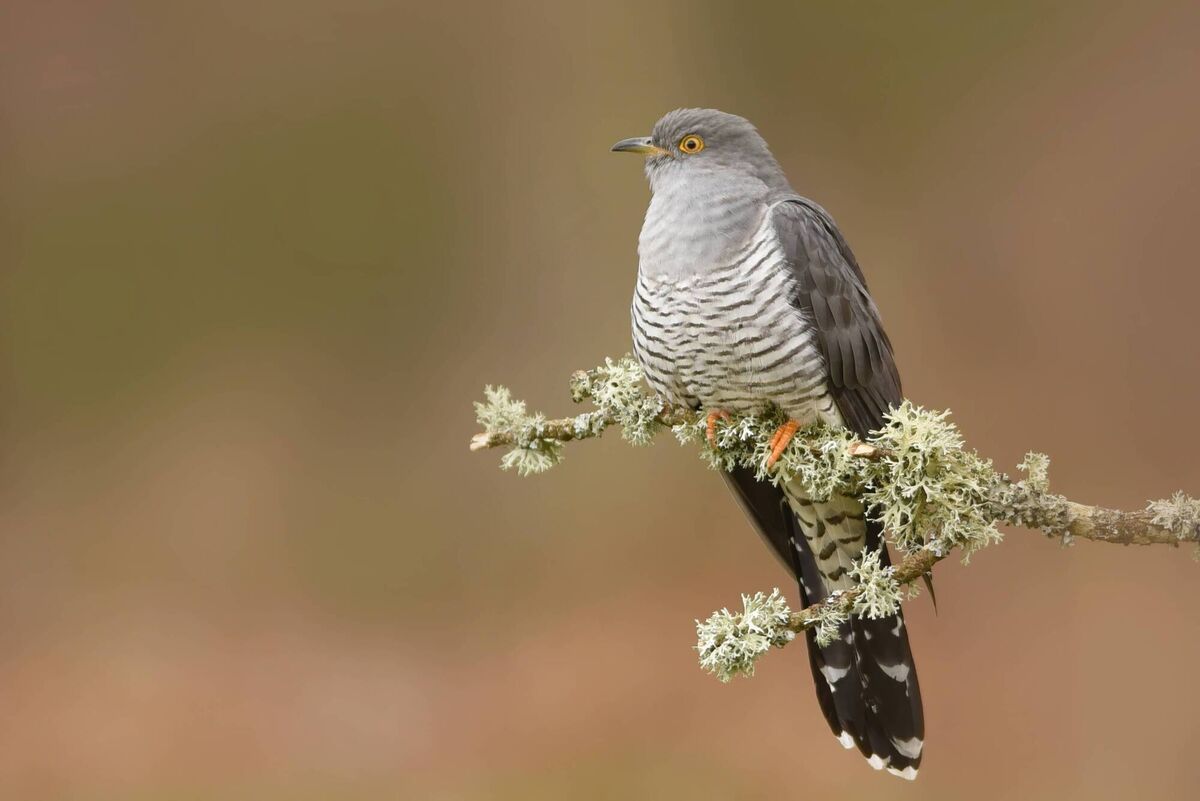
The cuckoo has long been held as a sign of summer, giving its name to other summer species such as cuckoo flower, cuckoo-pint or even cuckoo spit. The male’s call ‘coo-coo’ when courting is deep-rooted in memories of the older generations, but recent declines mean it is less common today, especially to the east of the country. This is most likely due to declines in its ‘host’ species, the meadow pipit. But their intriguing breeding strategy – where they trick other species into raising their young – is a tale for another day!
In the coming weeks, why not get involved in tracking these amazing birds as they journey back to Ireland? Spring Alive brings together children, their teachers and families to create a real-time map of their incredible journeys and there are lots of resources on the website to help to teach children about these birds, too. See http://www.springalive.net.
To find out more about other amazing citizen science projects you can become involved in, get in touch with BirdWatch Ireland, https://birdwatchireland.ie. BirdWatch Ireland also has an online shop where you can buy your books, bird food, and nestboxes, and help support this vital charity at the same time.
- Juanita Browne has written a number of wildlife books, including 'My First Book of Irish Animals' and 'The Great Big Book of Irish Wildlife'
CONNECT WITH US TODAY



Be the first to know the latest news and updates