Ask a solicitor: Making a will where there is no clear successor
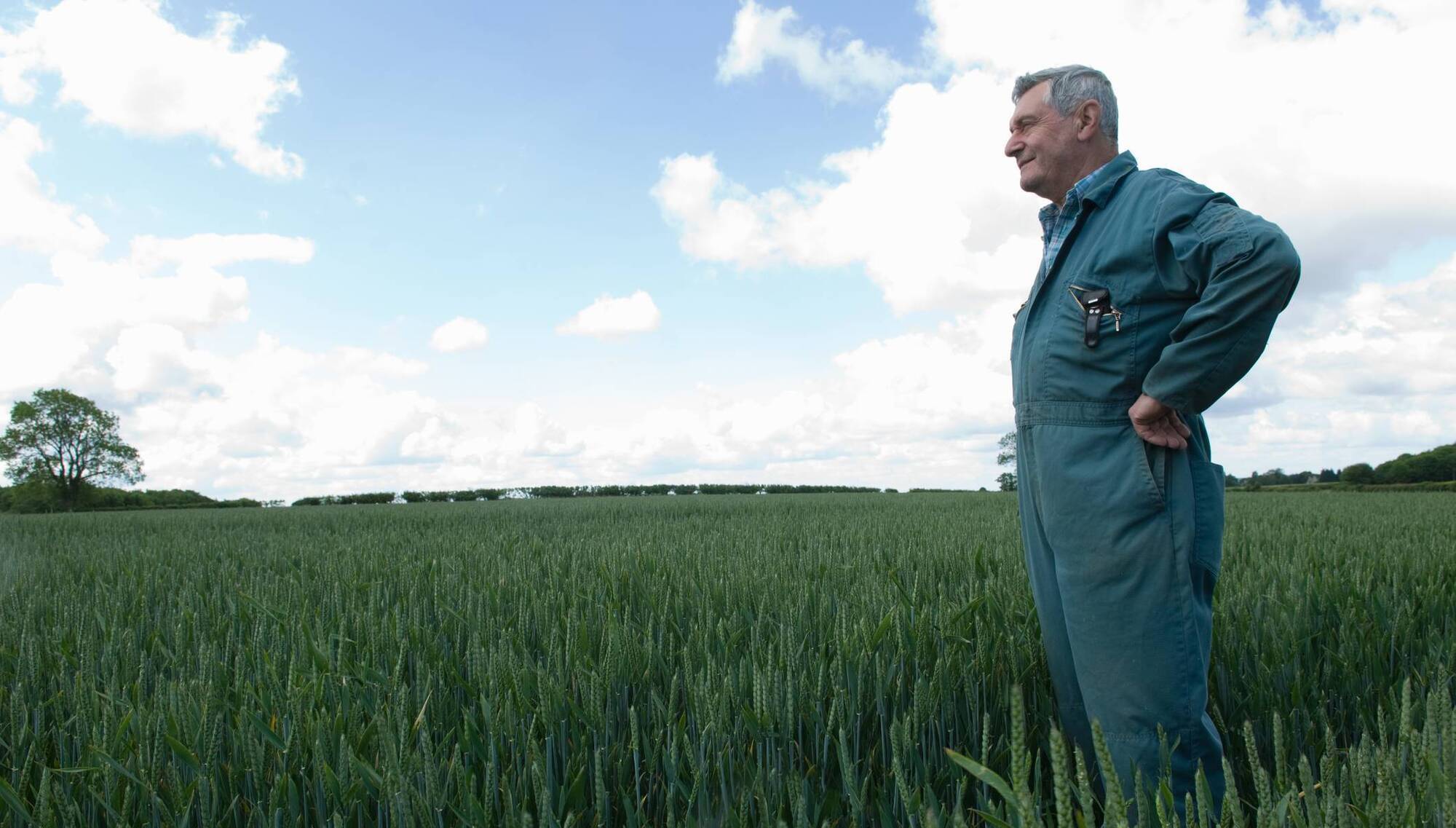
Careful planning now can help preserve both family harmony and the long-term value of your estate. Picture: iStock
Dear Reader,
This is a common situation, particularly where farmland remains part of a family's estate, but there is no obvious successor. While it may seem simpler to let the law take its course, relying on the default legal position is rarely the best option.
If you die without making a will, your estate will be distributed under the rules of intestacy. Following the death of the surviving spouse, your assets would pass equally to your children.
Although this may appear fair, it does not take account of the practical challenges of shared ownership. Land, even where it is no longer actively farmed, is not easily divided.
Leaving property jointly to several beneficiaries can create difficulties over time, particularly when decisions need to be made about leasing, maintenance, future use or a possible sale. What begins as a straightforward arrangement can become increasingly complicated if family members have different priorities or financial circumstances.
Making a will allows you to take a more considered approach.
For example, you may decide the property should be sold, with the proceeds divided between your children, avoiding the complications of joint ownership. Alternatively, one child may wish to retain the land, with other assets or financial provision used to ensure the remaining children are treated fairly.
These decisions are generally easier to make while you are still able to consider everyone's circumstances, rather than leaving your family to resolve them later.
In fact, you are free to distribute your assets in the way you consider fairest, taking account of each child's individual circumstances. A well-drafted will gives you the flexibility to do this while ensuring your overall wishes are respected.
Another misconception is that avoiding a decision now will prevent conflict later.
In reality, the absence of clear instructions often creates greater uncertainty and increases the likelihood of disagreements. Without guidance, beneficiaries may find themselves having to make joint decisions about assets they are neither equipped nor willing to manage together.
Putting a plan in place now does not prevent you from changing it in the future.
While these conversations can be difficult, discussing your intentions with your children may also help manage expectations and reduce the risk of future misunderstandings.
Given the involvement of land and the potential complexities, you should seek advice from a solicitor.
A solicitor can help structure your will in a way that reflects your wishes, protects the value of your estate and considers options you may not previously have explored.
Ultimately, making a will allows you to retain control over what happens to your assets. Leaving matters to be decided under the law may appear simpler, but it often results in a more rigid and less practical outcome.
Careful planning now can help preserve both family harmony and the long-term value of your estate.
Deirdre Rafferty is an experienced litigator who joined Walsh & Partners LLP in 2025. She practices in the areas of litigation and private client matters, predominantly in relation to Supreme Court, Court of Appeal, High and Circuit Court matters.
Email: info@walshandpartners.ie
While every effort is taken to ensure the accuracy of the information contained in this article, solicitor Alex Krupa does not accept responsibility for errors or omissions, howsoever arising. Readers should seek legal advice in relation to their particular circumstances at the earliest opportunity.