Cancer: Why some farmers tell the vet before the doctor
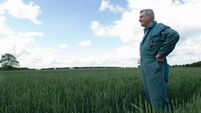
On farms, there is always some pressing urgency or emergency. Livestock comes first. Weather comes first. Silage comes first. The result is the farmer's own health often gets shuffled lower and lower down the list.
I had an eye-opening conversation at a reception at Balmoral Show last week.
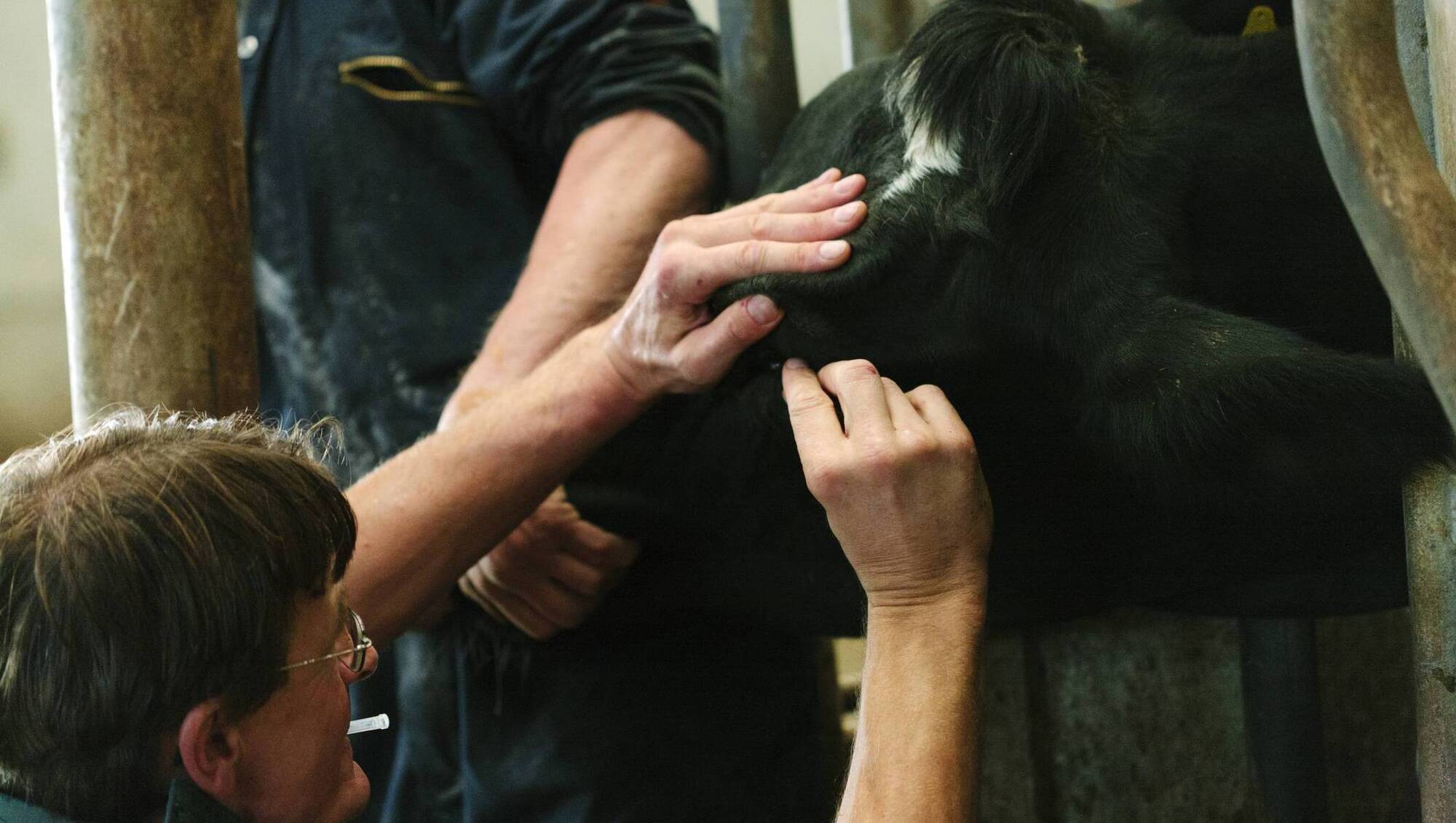
I was making small talk with the others around the table when a young woman mentioned her organisation, the Farming Community Network, was helping to train vets to recognise potential signs of cancer in farmers.
Vets?
Did I hear that correctly?
Apparently, yes.
It's no surprise most farmers will see the vet far more regularly than they will see their own GP.
The sad irony is that they will casually ask the very vet they have called out about a health issue for their livestock about a potentially much more serious health issue for themselves.
It says quite a lot about farming culture.
We’ve spoken often about the important role vets play in rural mental health — trusted professionals who are often among the few outsiders regularly calling to farms. But I had never really considered how they could also become an early warning system for serious physical health problems too.
Caitríona Crawford said the biggest problem was that many farmers simply put themselves last.
Research indicates people living in rural communities often present with more advanced cancer when they are diagnosed, and are 5% less likely to survive than those living in urban areas.
On farms, there is always some pressing urgency or emergency. Livestock comes first. Weather comes first. Silage comes first. And of course, the paperwork deadlines.
The result is the farmer's own health often gets shuffled lower and lower down the list, somewhere towards the bottom of the pile.
There’s the long wait on the phone just to get through to reception, only to be told to “phone back tomorrow morning”. There’s the challenge of getting away from stock or finding somebody to cover jobs. There’s the rush to get washed up and throw on the “good clothes”.
Before long, what started as “I must get that checked” turns into months of putting it off.
But when it comes to cancer, those couple of months can make a big difference, and early detection can be critical to treatment.
Statistics from England show about nine in 10 people diagnosed with bowel cancer at the earliest stage survive for five years or more. But by the latest stage, those same odds are inverted.
The same pattern is seen with lung cancer as well: detect it early and outcomes improve hugely. Leave it too late and the odds worsen sharply.
The 'Nip it in the Bud' campaign is led by the Farming Community Network (FCN) and Macmillan Cancer Support, and backed by the Association of Veterinary Surgeons Practising in Northern Ireland and The North of Ireland Veterinary Association.
But what stayed with me after our conversation was the idea this circumstance is occurring frequently enough that vets now need training for it.
Coincidentally, this month, south of the border, the Health and Safety Authority has also been encouraging farmers to protect themselves against cumulative skin cancer risks from working outdoors.
Skin cancer risk, it warns, is not just about getting badly sunburnt once on holiday abroad. It builds gradually over years spent outdoors — in fields, walking about the yard, fixing fences, walking crops, and checking stock.
The HSE’s SunSmart 5S’s” advice is fairly simple: cover up, wear sunscreen, seek shade where possible and protect your eyes and face.
Maybe this summer is a good excuse to finally put some of those free caps from the agricultural shows to proper use.
And if you have any lumps, bumps or other symptoms that are worrying you, please do not keep putting it off. Make the appointment today and clear a day if need be to see the doc.