Department confirms atypical BSE case
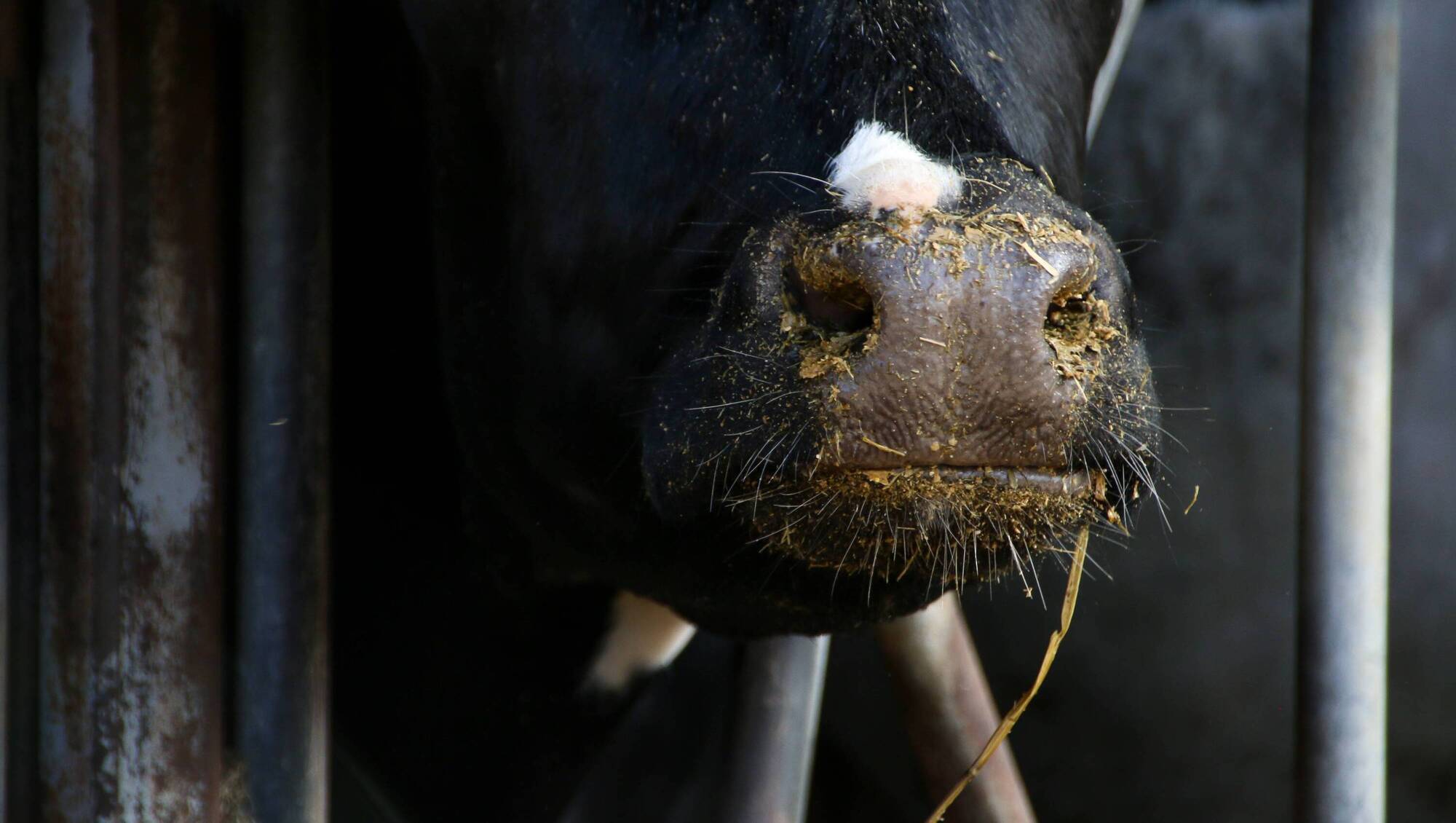
According to the World Organisation for Animal Health (WOAH), Terrestrial Manual 2021, atypical BSE, caused by H- and L-type BSE agents, is rare and is believed to occur spontaneously in all bovine populations at a very low rate and has only been identified in older cattle. File picture
A case of atypical Bovine spongiform encephalopathy (BSE), commonly known as ‘mad cow disease’, has been confirmed by the department.
Tests carried out at the department’s Central Veterinary Research Laboratory confirmed a case of “atypical BSE” on April 9, 2026.
Read More
BSE is a fatal disease of the nervous system of bovines that is caused by the accumulation of an abnormal protein called ‘prion’ in nervous tissue.
According to the World Organisation for Animal Health (WOAH), Terrestrial Manual 2021, atypical BSE, caused by H- and L-type BSE agents, is rare and is believed to occur spontaneously in all bovine populations at a very low rate and has only been identified in older cattle.
The manual highlights that a common feature amongst atypical BSE cases is that they are “almost exclusively detected in cattle older than eight years.”
Research has confirmed that L-type BSE may be transmitted orally to calves of an infected animal.
Cattle with a ‘nervous form’ atypical BSE will likely display the same clinical signs as cattle with classical BSE, such as over-reactivity, unexpected startle response, and inco-ordination.
Alternatively, cattle with a ‘dull form’ of atypical BSE would show signs of dullness accompanied by low head carriage and compulsive behaviour such as licking, chewing or pacing in circles.
The disease usually progresses over weeks to several months, with death being the unavoidable end result.
There is no test to diagnose any form of BSE in live animals other than tentative diagnosis via observed clinical signs.
Diagnosis can only be identified after examination of the animal's brain post mortem.
Further tests must then be performed to distinguish which type of atypical BSE the animal had contracted.
The last reported case of atypical BSE was in May 2020. Classic BSE, caused by the C-type agent, occurs when an animal eats contaminated feed.
It is understood that the positive case was discovered during the department’s ongoing systematic surveillance of ‘fallen’ animals at a designated fallen animal collection centre.
A spokesperson for the department explained:
Ireland has a WOAH negligible risk status for BSE, which is the lowest risk rating available. The identification of this atypical BSE case does not jeopardise Ireland’s negligible risk status for BSE.
The department has reported that the detection of this atypical BSE case “does not impact on trade generally.”
Some agreements with some trading partners require notification of such cases, and the relevant competent authorities have been informed.
“Agreements with China, Japan and Korea require official notification of such cases to be issued to their competent authorities. The department notified their competent authorities on 10 April 2026 and awaits their response,” reports the spokesperson.
Reacting to the news, Irish Farmers’ Association (IFA) health chair David Hall said the development was disappointing but demonstrated the effectiveness of Ireland’s BSE Surveillance Scheme.
IFA livestock chair Declan Hanrahan said the impact on trade would be limited and manageable.
“Exports will only be affected in a small number of markets, and our key export destinations will not be impacted by this development,” Mr Hanrahan said.
Mr Hanrahan also stressed that the situation must not be used to undermine farmer returns.
“Factories cannot and must not use this case as an excuse to lower beef prices… The fundamentals of the market remain strong, and farmers are entitled to a fair price for their stock,” concluded Mr Hanrahan.