Budget 2027: Savings of up to €50k in new personal investment accounts will be tax free
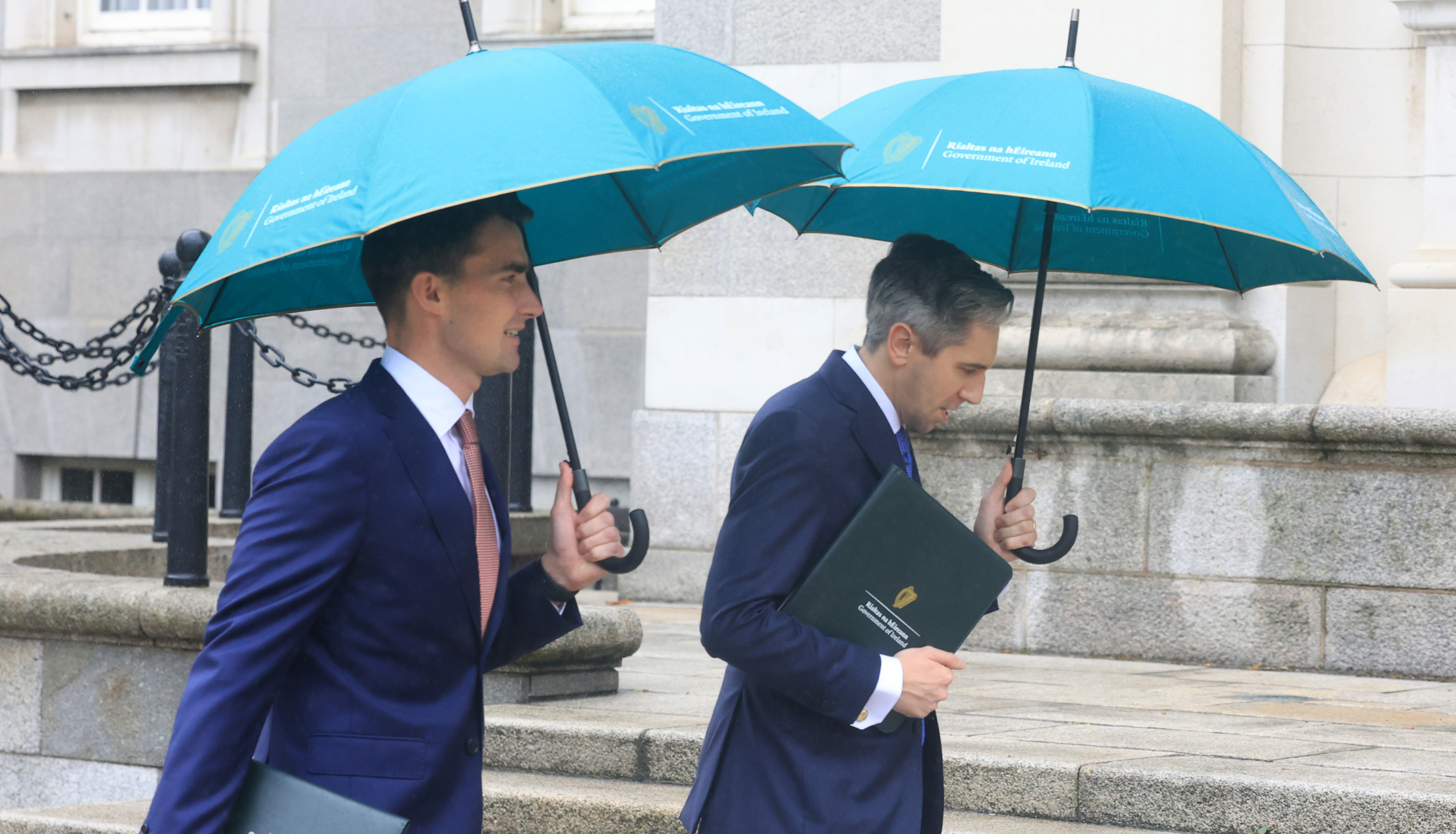
Ministers Jack Chambers and Simon Harris arriving at the Dáil to present their Budget. Savings above €50,000 will be taxed at a rate of 1%. Photo: Leah Farrell/© RollingNews.ie
Up to €12,000 a year can be invested in the Government’s new personal investment accounts when they open in July next year with the first €50,000 saved exempt from tax, finance minister Simon Harris has announced.
Minister Harris said investments in these accounts above €50,000 will be taxed at a rate of 1%. So if the total value in the account stands at €52,000, the total tax owed for that extra €2,000 will be €20.
There will be no minimum contribution level on these accounts. The new accounts are set to be legislated for and are expected to open from July 1.
Speaking as he presented the Budget on Tuesday, Mr Harris said the Government wants to make investing "simpler, clearer and more accessible to everyday people”.
He said these personal investment accounts will not be subject to capital gains tax, dividend withholding tax, investment undertaking tax or life assurance tax. The deemed disposal rule will not apply to funds held in the accounts.
“Crucially, there will be no requirement for people to engage with Revenue when it comes to normal administration of the account. That responsibility will fall to the provider.”
The announcement of the new accounts was welcomed by Grant Thornton Ireland who called it one of the “most significant reforms to personal investment policy in Ireland in decades”.
Tax partner at Grant Thornton Ireland, Brian Murphy, said Irish households are “among the strongest savers in Europe, yet much of that capital remains in deposit accounts generating limited real returns over time”.
“The key now will be ensuring that the final design of the Personal Investment Account is simple and attractive enough to drive meaningful behavioural change.”
However, the chief executive IG Consumer, an investing and trading platform, Michael Healy said the Government missed an opportunity with the investment accounts saying the annual contribution limit is “far too low”.
“It means many committed investors will still be pushed outside the account and into Ireland’s complicated tax system, with the added burden of tracking investments and completing tax returns - exactly the kind of complexity that can put less experienced investors off.
He added that the proposed 1% tax on investments above the €50,000 threshold is a “bigger problem” as it taxes the value of an investment rather than the returns it generates.
Mr Healy said this means that someone could face a tax bill even when their investments fall in value.
“That is the wrong principle for an account designed to encourage people to invest,” he said.
Following the announcement of personal investment accounts, the Competition and Consumer Protection Commission (CCPC) said they are launching an investment readiness financial literacy tool.
Director of financial education at the CCPC, Gráinne Griffin, said financial literacy is “central to good investment choices”.
“For consumers who are ready to invest, this is really good news. But it won’t be for everyone. The CCPC has today launched new online resources including an easy self-assessment tool for consumers who are now considering investments.”

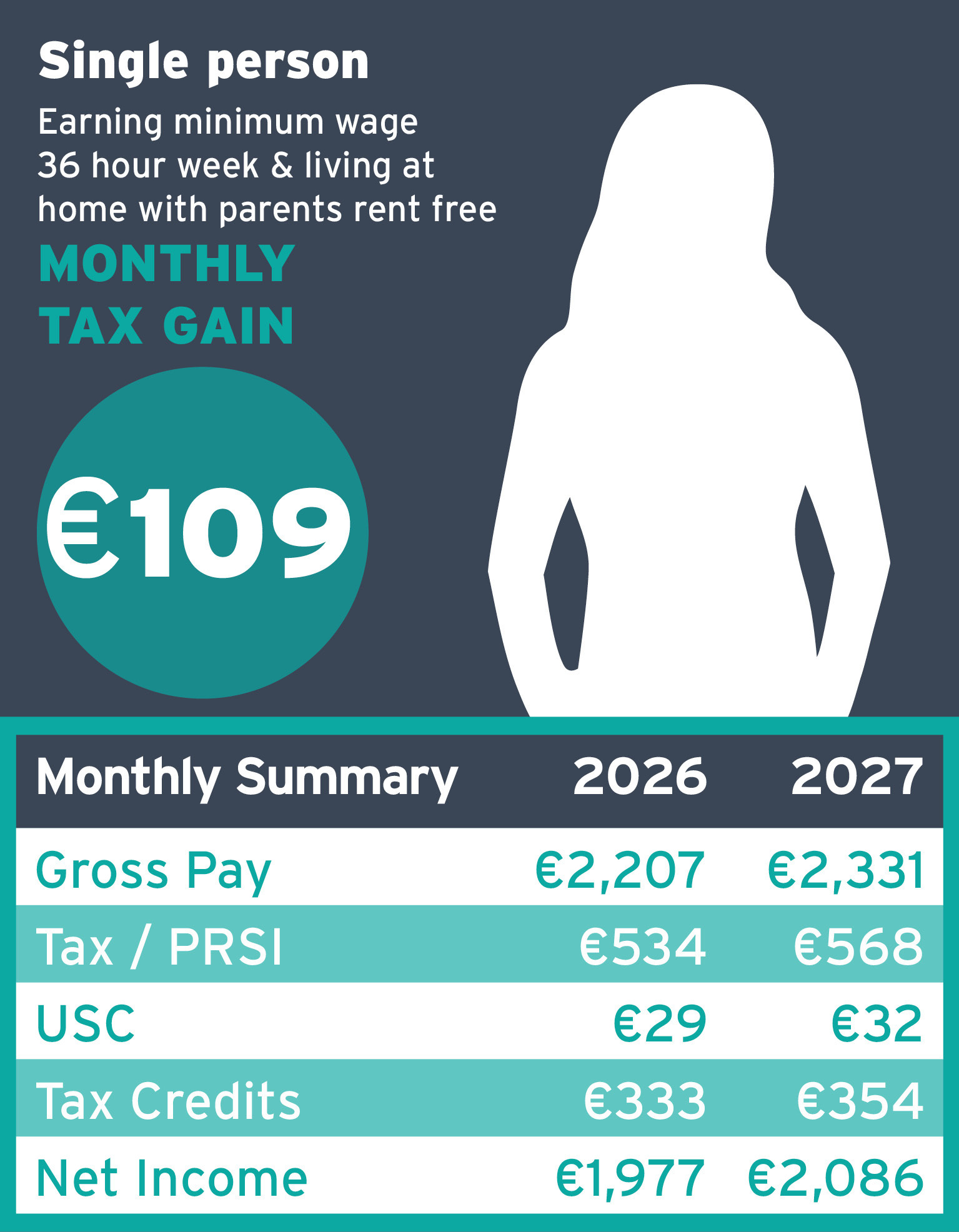
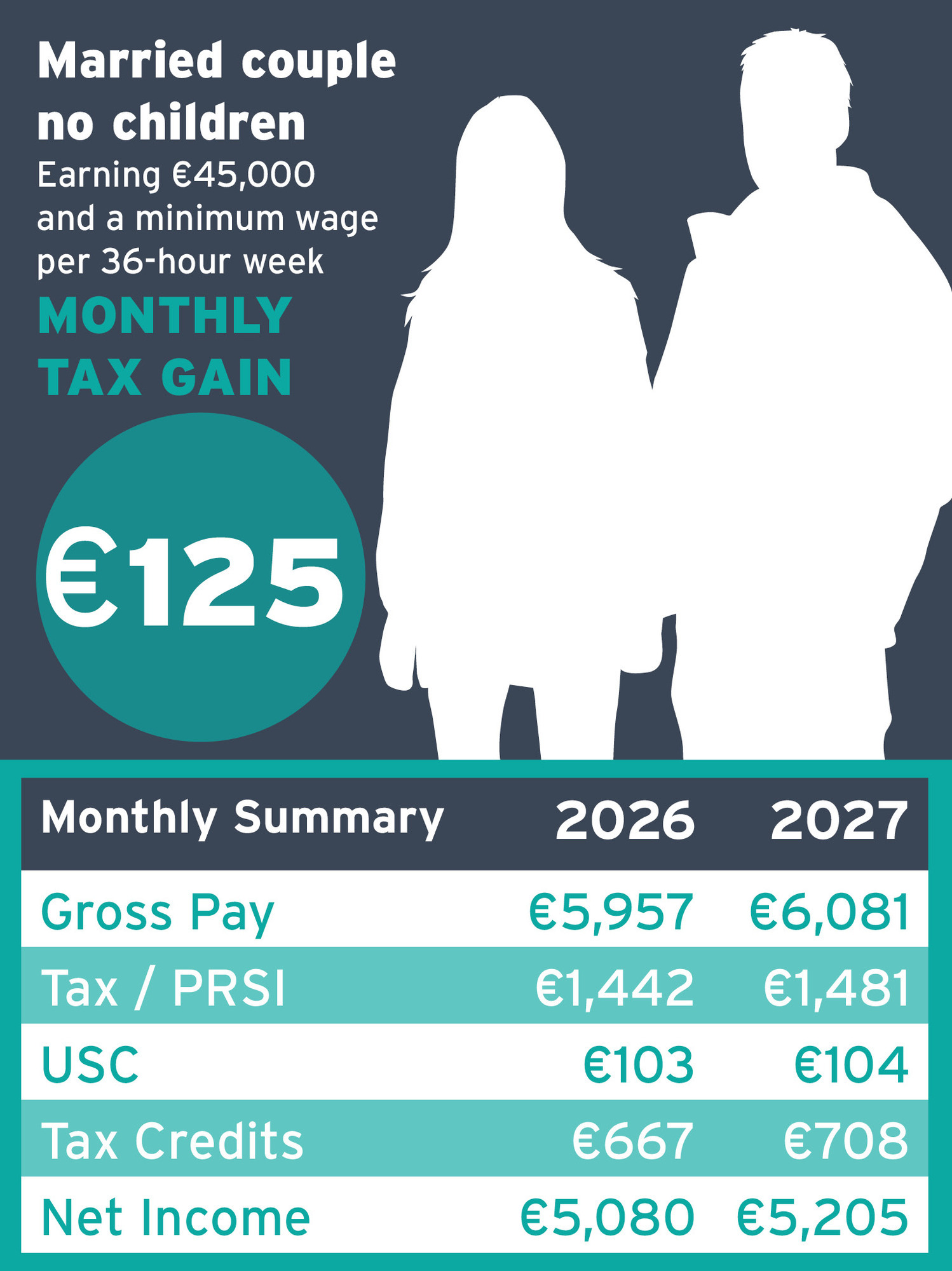
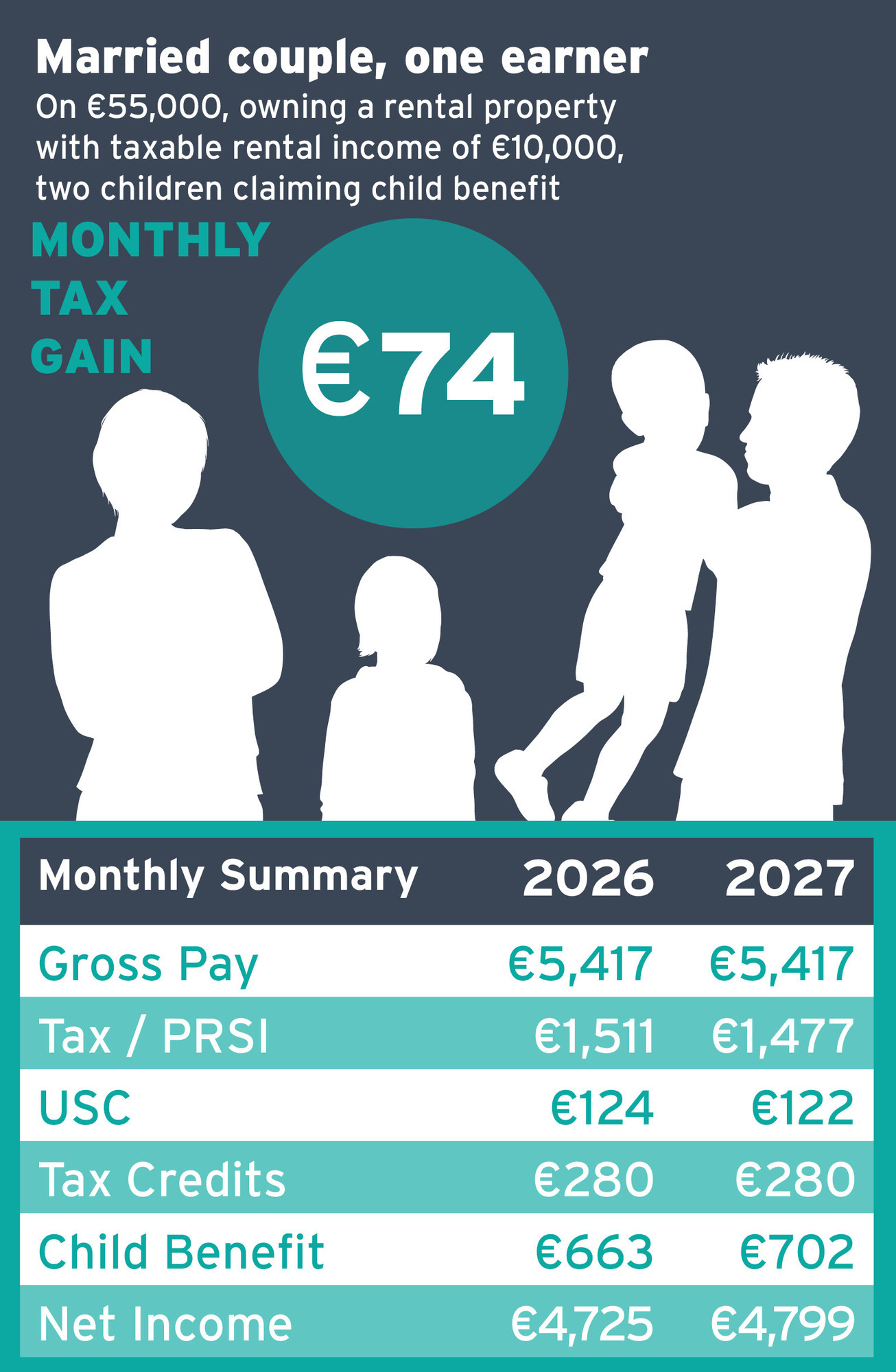
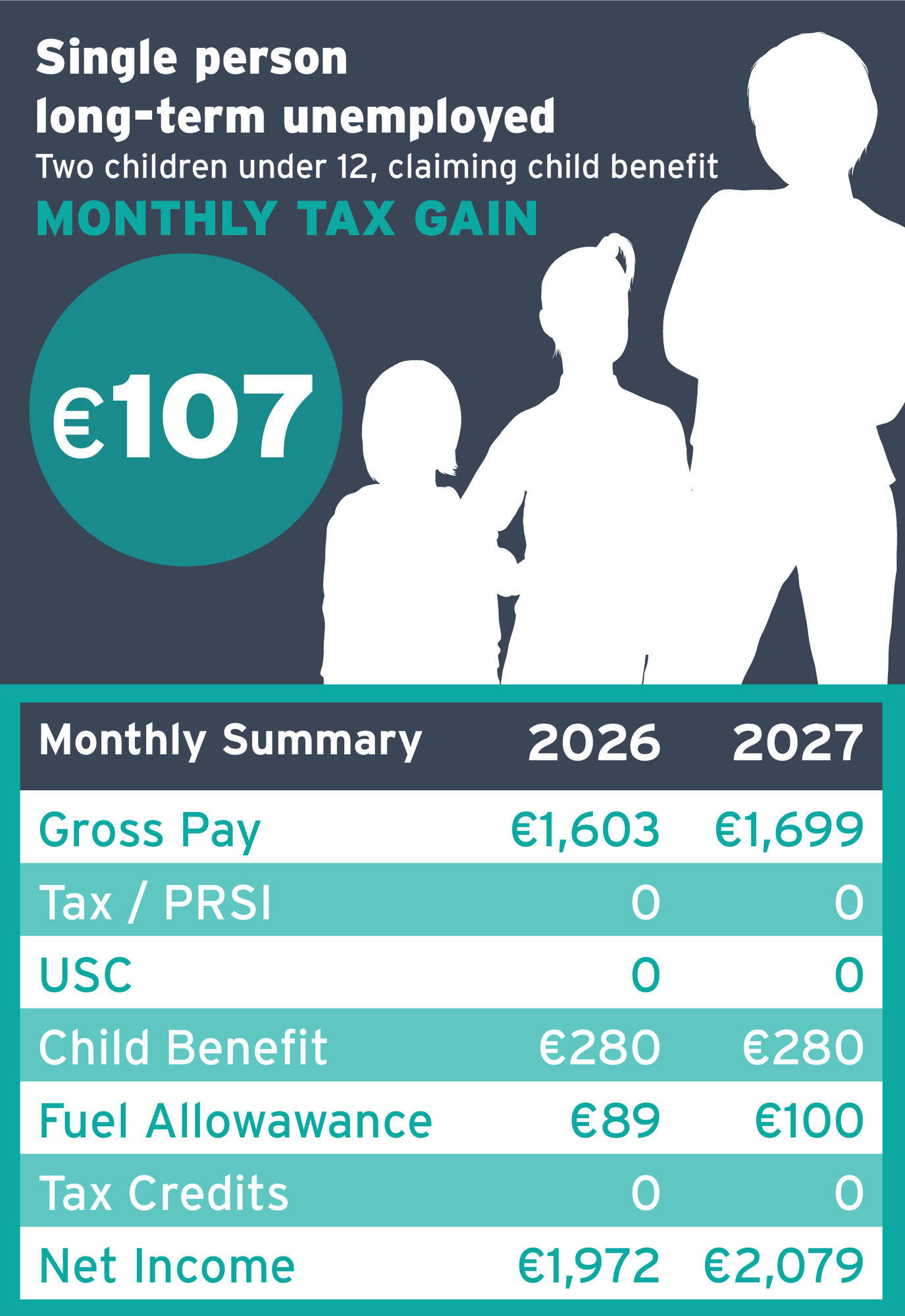
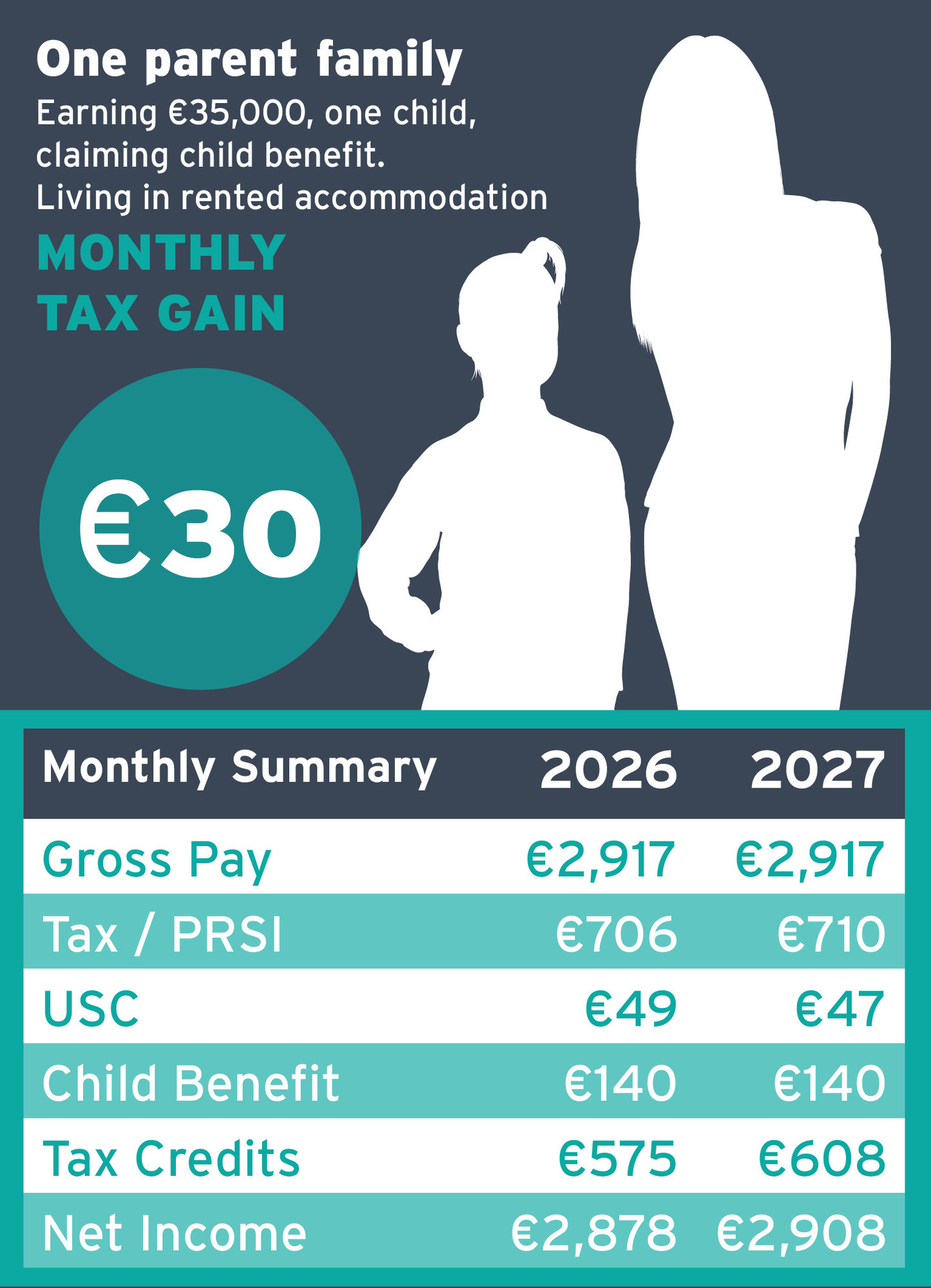
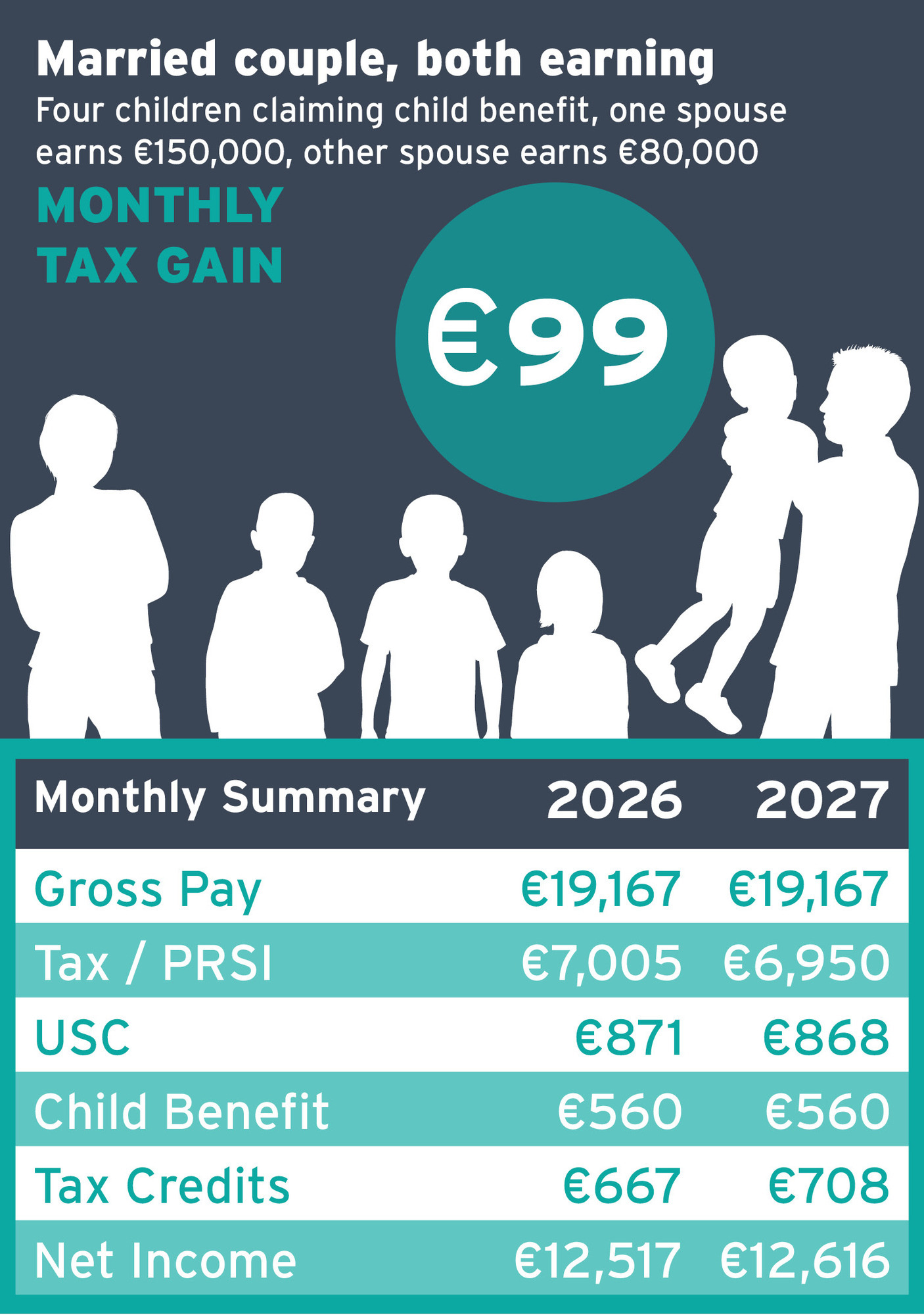
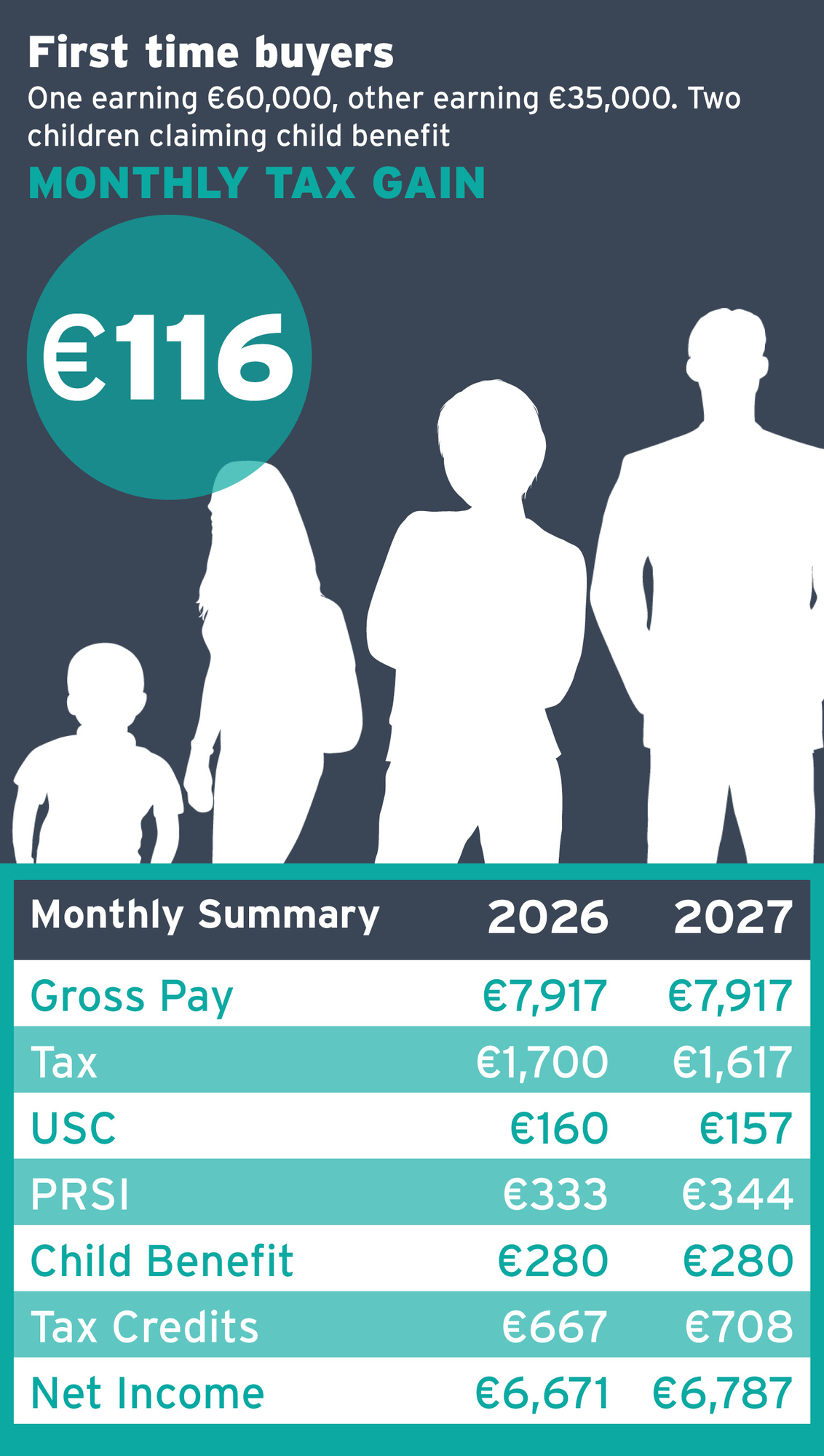
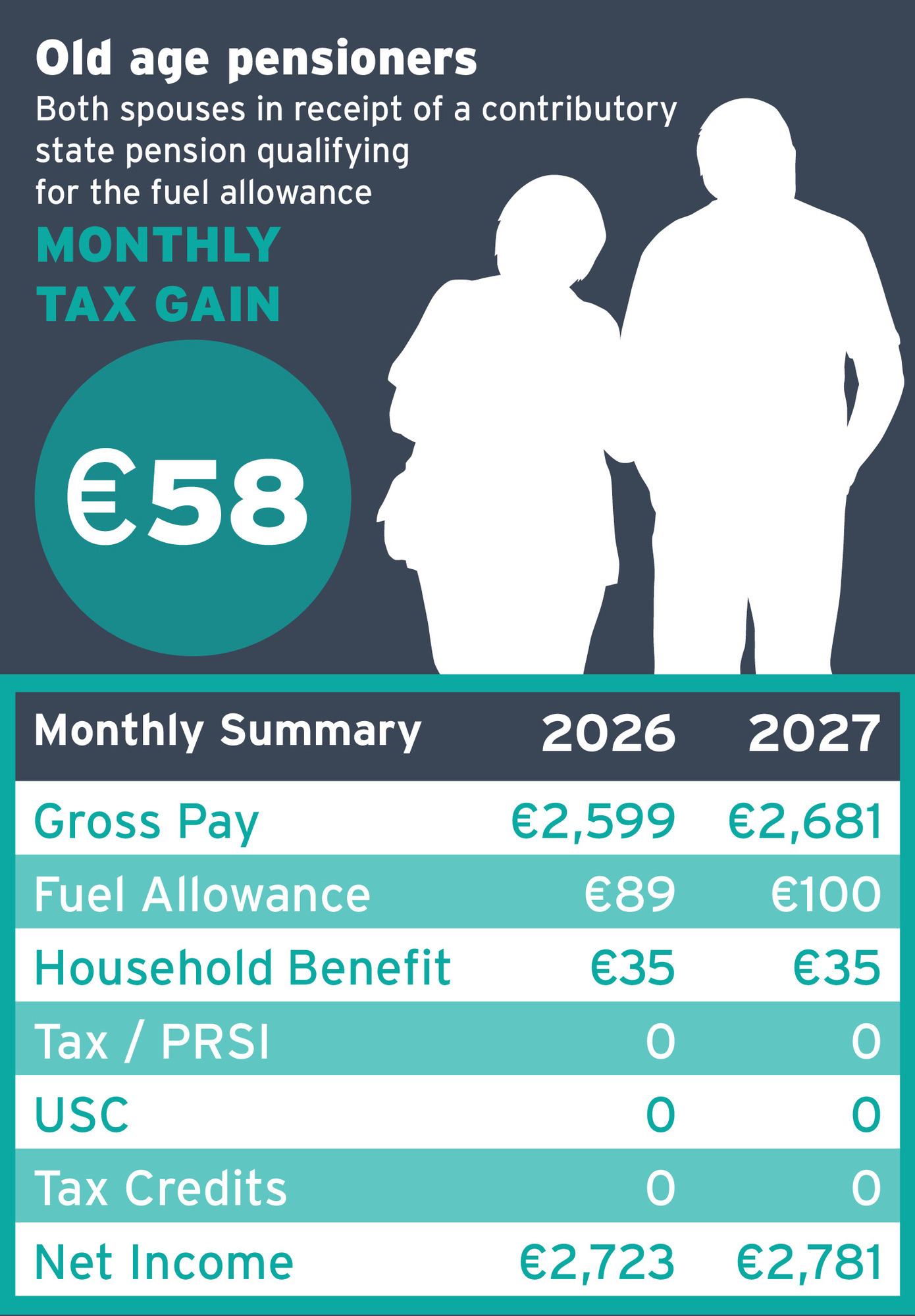
What the budget means for you
CONNECT WITH US TODAY



Be the first to know the latest news and updates