Alan Healy: Ireland plots another economic escape but the previous game plan may not work
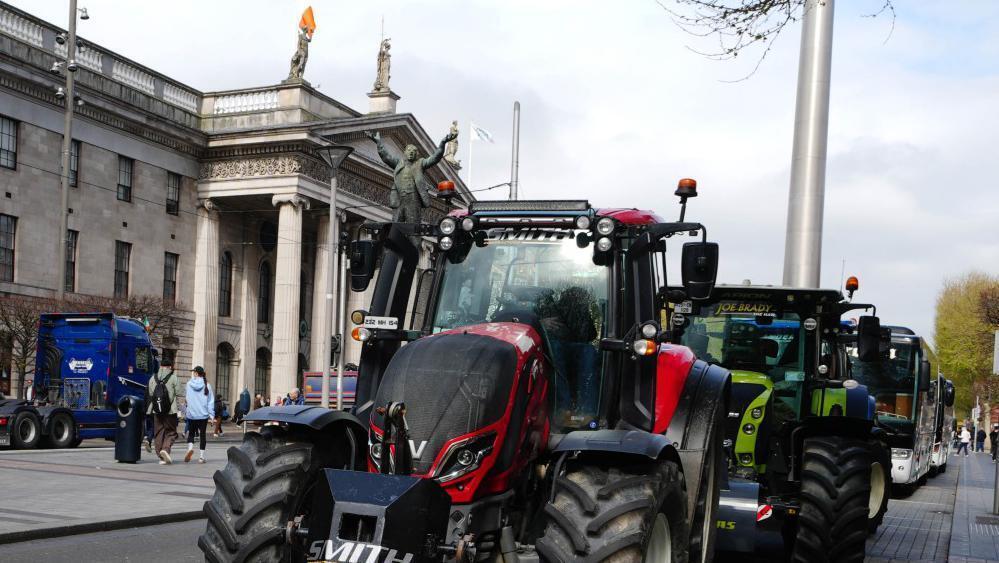
As an island nation with limited domestic energy resources, is particularly exposed to fuel spikes and shortages. File Picture: Brian Lawless/PA
Resilient is a suitable term for the modern Irish economy.
The financial tsunami which struck the country in 2008 resulted in painful austerity measures as the IMF entered the country to set things right, but things were largely back on track, economically speaking, by 2015.
Read More
Just a year later, the UK voted to leave the EU and set off years of preparatory work to establish trade and border protocols with one of our largest trading partners. The UK finally left the EU in January 2020, the same month a virus was spreading rapidly through China, leading to the covid pandemic that would essentially freeze the global economy for a two-year period.
Through all of these disruptions, the open nature, responsiveness and nimbleness of our economy allowed the country to bounce back and keep unemployment low and incomes at reasonable levels. A common thread through these crises was the presence of the multinational sector here, the flexible labour market and the low levels of unemployment.
It seems the country has been perfecting a well-honed game plan to respond to external threats. It's clearly time to dust off the plans, but there is no guarantee it will work again.
The US decision to kick off a war with Iran has had a global impact. Ireland sits at the end of a very long supply chain and, as an island nation with limited domestic energy resources, is particularly exposed to fuel spikes and shortages.
The impact can be seen clearly in the economic data. Inflation now stands at 3.6%, uncomfortably above the 3% rate for the Eurozone, and well above the much-favoured 2% rate considered healthy. Energy prices are now 15.5% higher than they were a year ago, accounting for the bulk of the inflation rate.
New consumer spending data shows a slight rise, but hardly paints a picture of a consumer eager to go out and spend. We can also add the social disharmony into the mix, with the fuel protests last month putting Ireland among the first countries to face widespread disruption due to the conflict in the Middle East and putting severe political pressure on the government.
Bank of Ireland and others have downgraded their growth forecasts for this year. The data is reflected in the Irish consumer sentiment reading, which fell once again in April. Households did not make any radical adjustment to an already negative view of their economic and financial prospects.
Given what has happened in the past, there should be hope that Ireland can rebound from this event. There is always hope that a resolution will be found that will safely reopen the Strait of Hormuz and that stability will return to the global economy.
However, there is a good reason to believe the playbook rolled out in the past may not work this time.
Previous shocks to our economy were largely absorbed by the impact of multinationals and our strong export market. The current conflict and the potential shortages of fuel and spikes in energy prices now squeeze households and businesses directly.
Multinationals, the tech and pharma giants, are largely insulated by the fuel pinch. However, if under pressure, households begin reigning in spending and small businesses curtail hiring, then the domestic economy begins to look much more fragile, and the fault line between it and the multinational sector becomes more exposed.
There is also a political dimension, with the fuel protests acting as a warning shot. As we saw during the years of austerity, Governments come under severe pressure when households are experiencing squeezed incomes.
Following the 2008 crash, there was a view that the economic measures imposed were necessary and relatively short-lived. There is unlikely to be the same level of tolerance of hardship when the State continues to run budget surpluses.
Governments that preside over prolonged household pain — rising energy bills, squeezed incomes, stagnant spending power — face a very different kind of pressure than those managing a banking collapse or a pandemic.
In 2008, the austerity was painful but broadly accepted as necessary medicine. Today, with social media amplifying discontent and a more fragmented political landscape, the tolerance for hardship may be considerably lower. That adds a layer of risk that no economic game plan fully accounts for.
The consumer sentiment report even shows very substantial numbers of consumers in higher income segments reported that higher energy costs would exert a significant impact on them.
It remains difficult, if not impossible, for the resilience formula to hold when ordinary households carry the burden. Ireland's track record earns it some optimism, but the escape routes that worked before may not be as available now.
CONNECT WITH US TODAY



Be the first to know the latest news and updates