Alan Healy: The real impact of AI on Irish businesses has arrived
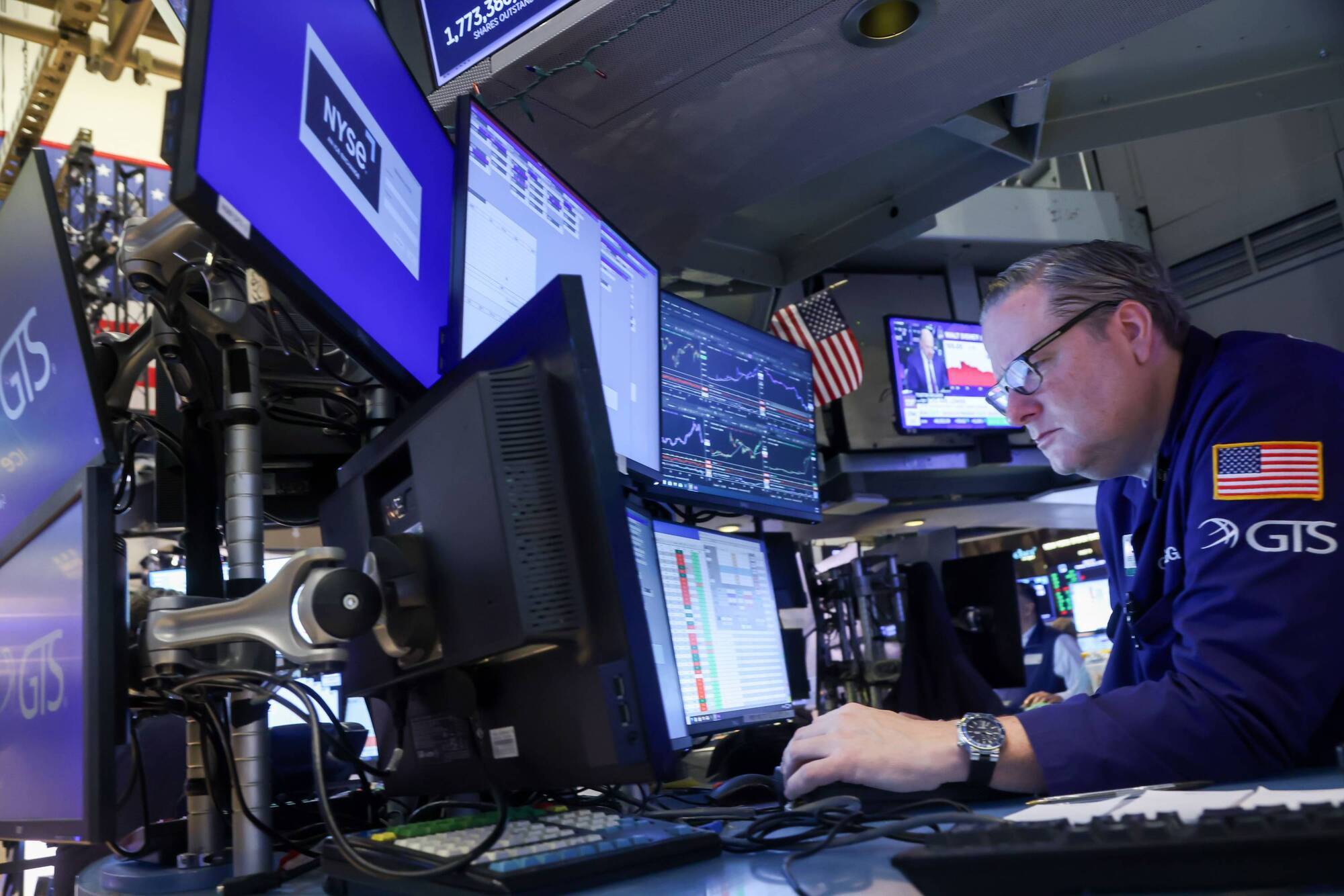
Technology stocks have taken a hammering this week. In particular, legal and publishing firms say millions wiped oof their valuations.
A shift occurred this week that moved AI technologies from the realm of chatbots and image manipulators to the doorstep of Irish businesses, and the results may not be pretty, threatening to completely upturn some of the pillars of our economy.
A decade ago, artificial intelligence remained just a pipe dream of technologists and a plot tool for science fiction writers. Like the flying car, the technology of autonomous machines always seemed to be just beyond the horizon. And just like other breakthroughs, what began as a steady and incremental advancement has suddenly turned into a flood, leaving us clamouring to keep up with the latest advancement.
When the world emerged from the shadow of the global pandemic, the word AI was used increasingly by companies as they sought to sell products and services, but in reality, it was often little more than a buzzword. Just a few years later, we witnessed a watershed moment when ChatGPT was released in 2022, giving users their first real experience of what the technology entails and its potential.
Since then, a global arms race has taken place with rival AI models competing for market share. Alongside this, the individuals, businesses, sectors, industries, processes, services and every conceivable organisation have been trying to ascertain how to best utilise, implement, counter or even fend off the technology.
Global stock markets have risen strongly in recent years, helped by massive investments by the tech firms that are going all-in on AI. The size of these investments has led to concerns of a major stock market bubble, given that the returns on these investments remain uncertain.
And while sectors of the stock markets did see a sharp downturn this week, it was not amongst the AI-focused firms but rather the sectors they are targeting for disruption.
European publishing and legal software companies were first up, seeing sharp declines in their share prices. Companies like software giant Sage saw 10% wiped off their value, data firm Experian fell more than 8% alongside Relx and Thomson Reuters.
What caused this week’s share price drop was the announcement by Anthropic, the firm behind the Claude AI model, of a new tool for companies’ legal departments to use to automate work such as reviewing contracts, compliance and legal briefings.
For investors, it was a sign that AI is truly moving beyond the realm of chatbots and creating deepfake images into real-world tools which have the potential to automate a whole range of enterprise workflows.
Across businesses throughout the world, many of the essential functions have been outsourced in various ways. Every business, small and large, now has a slew of products and outsourced services to handle their recruitment, HR, billing, payroll, customer onboarding, support, ESG, compliance, legal and financial services, the list goes on.
It now seems clear that AI is coming for all of it and will have many eager customers in businesses looking to make savings.
At the very least, these new tools have the potential to cut the margins these companies might ordinarily achieve.
And Ireland is by no means immune. It is often technology and pharmaceuticals that grab headlines when the Irish economy is discussed, but the services sector is right up there in the number three spot in terms of GDP contribution to the State.
Most recent data from the CSO shows the Professional, Admin and Support Services sector contributed €14.4bn to the economy in the third quarter alone, dwarfing that of construction and agriculture.
This sector includes legal firms, accountancy practices, recruitment, call centres and advertising. On top of their economic contribution, the sector employs 310,000 workers, almost one in every ten employees in the country.
As more and more AI tools come on stream, firms large and small will begin examining their overheads and seeing where they can make savings.
And this is just one sector of the economy facing disruption by AI. As far back as June 2024, then Minister for Finance Michael McGrath said a third of all Irish jobs could be at risk from AI, with a follow-on report noting 94% of tech workers being highly exposed.
But Ireland, and the rest of the world, has been through this before. New technologies always cause disruption and change the way business is done. Industries and sectors have risen and fallen in the past and it goes hand in hand with both job destruction and job creation.
What we witnessed on the markets this week is one of the first shots across the bow as AI begins to truly disrupt things.
CONNECT WITH US TODAY



Be the first to know the latest news and updates