British grocery price inflation hits new high of 14.7%
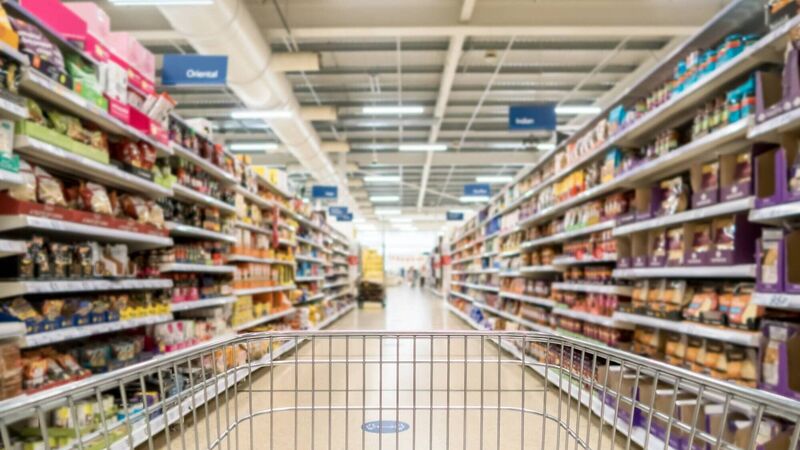
The discount supermarkets are gaining ground as prices continue to rise.
Inflation on the weekly supermarket shop in Britian has struck a record high of 14.7%.
Grocery price inflation peaked in the past four weeks, the highest level since market researcher Kantar started tracking the data in 2008.
The jump in prices means the average annual shop is set to rise by £682 (€782) even as consumers contend with rising energy bills as the weather gets colder.
More than a quarter of British households said they are struggling financially, twice as many as a year earlier, and the vast majority said that higher prices on food and drink was a major concern.
Shoppers were doing their best to save pennies on their groceries, buying own label goods and visiting cheaper supermarket rivals.
“It’s clear just how much grocery inflation is hitting people’s wallets and adding to their domestic worries,” said Fraser McKevitt, head of retail and consumer insight at Kantar.
Kantar releases its latest survey for supermarkets in the Republic next week. Last month, Irish grocery price inflation was running at a record rate of 12.4%.
British supermarkets have brought out more affordable value ranges and Tesco and Sainsbury are price matching products with cheaper rival Aldi.
Sales of the cheapest own-label ranges across all UK grocers are up by 42%.
Still, the discounters are gaining ground as shoppers try to save money.
Aldi, which replaced Morrisons as Britain’s fourth-largest supermarket in September, grew its sales by almost 23% in the 12 weeks to late October. Lidl grew by 21.5%.
Most other grocers posted single digit growth, while Morrisons and Waitrose, the premium chain owned by John Lewis, saw sales decline.
Sainsbury said last week that profit is falling as it absorbs some of its own surging costs and Tesco lowered the upper range of its profit guidance for the same reason.
UK grocers are also contending with higher energy and wage bills with most raising employee pay at least once this year.
As a sign of the strain on consumers, fewer people are stocking their cupboards for Christmas. This time last year two million shoppers had bought their Christmas pudding whereas that figure is 32% lower this year, according to Kantar.
The number of people using British food banks is rising as prices escalate.
“The rocketing price of food is a real concern with millions of people skipping meals or struggling to put healthy meals on the table,” said Sue Davies, head of food policy at magazine.
CONNECT WITH US TODAY



Be the first to know the latest news and updates