Oliver Mangan: Surging gas prices remain big inflation risk
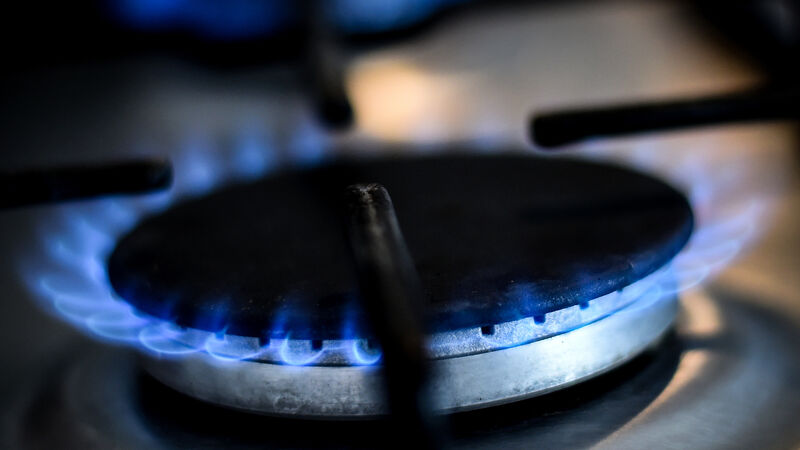
Energy prices have soared in recent months.
Inflation and the cost of living crisis continue to dominate the news headlines and remain the key preoccupation of financial markets and central banks.
Last week’s British consumer prices report for July saw the headline rate there climb to 10.1%, up from 9.4% in June, with food price inflation jumping to 12.6% from 9.8%.
Inflationary pressures, though, are evident right across the British economy at this stage as the surges in energy costs, producer prices and higher wages get passed on to consumers.
This is the first time that British inflation has risen above 10% in 40 years and leaves it with the highest rate among G7 nations. The peak has not been hit yet, though, with expectations that a sharp hike in household energy bills this autumn will see inflation rising further.
The eurozone harmonised consumer inflation rate also picked up in July, rising from 8.6% to 8.9%, while the Irish rate was unchanged at 9.6%. Notably, as elsewhere, Irish food price inflation has been on a sharp upward trend in recent months, climbing to 7.7% in July, up from 6.7% in June and 3.5% back in April.
In looking at the Irish figures, the very high inflation is concentrated in a number of categories that form a large part of household spending.
Food, alcohol and tobacco price inflation is running at 8%, housing and utility bills at 22%, transport at 19%, and restaurants and hotels is running at 7.5%.
Together, these account for 63% of the consumer prices index. Irish inflation is likely to rise further, with yet more increases in energy bills in particular taking effect from August.
Expectations remain that consumer price inflation rates will fall back sharply next year, a view that is supported by recent trends in leading indicators of inflation.
Crude oil prices have fallen by 20% since June, with the price Brent oil declining from around $120 to $95 per barrel. Most commodity prices have seen similar large declines, including iron ore, lumber and steel.
The UN Global Food Commodity Price index fell by 5.8% in July, its fourth consecutive monthly decline.
Shipping costs have also seen very big falls as indicated by the Baltic Dry Index.
Meanwhile, inventory levels are being rebuilt by firms as shown in recent S&P Purchasing Managers' Index surveys, while Fitch has reported clear signs of an easing is supply chain disruptions in the past couple of months. Both these developments should help ease the upward pressure on prices.
A marked deceleration in the pace of global activity this year is a key factor behind the easing of upstream inflationary pressures in recent months. With growth set to remain weak next year, this should translate into a sharp fall in inflation in 2023.
However, risks remain. Gas prices have risen tenfold in the past year, with further big jumps last week on continuing concerns about a shortage of supplies in Europe this winter as a result of a big decline in imports from Russia. This is a real worry.
Wage inflation has also picked up, increasing the risk of second-round price effects and a wage-price spiral. Thus, central banks are taking nothing for granted and are set to continue on an aggressive rate tightening path in the coming months as they seek to put the inflation genie back into the bottle.
CONNECT WITH US TODAY



Be the first to know the latest news and updates