David McNamara: Eurozone economy suffers more than US in enduring Iran conflict
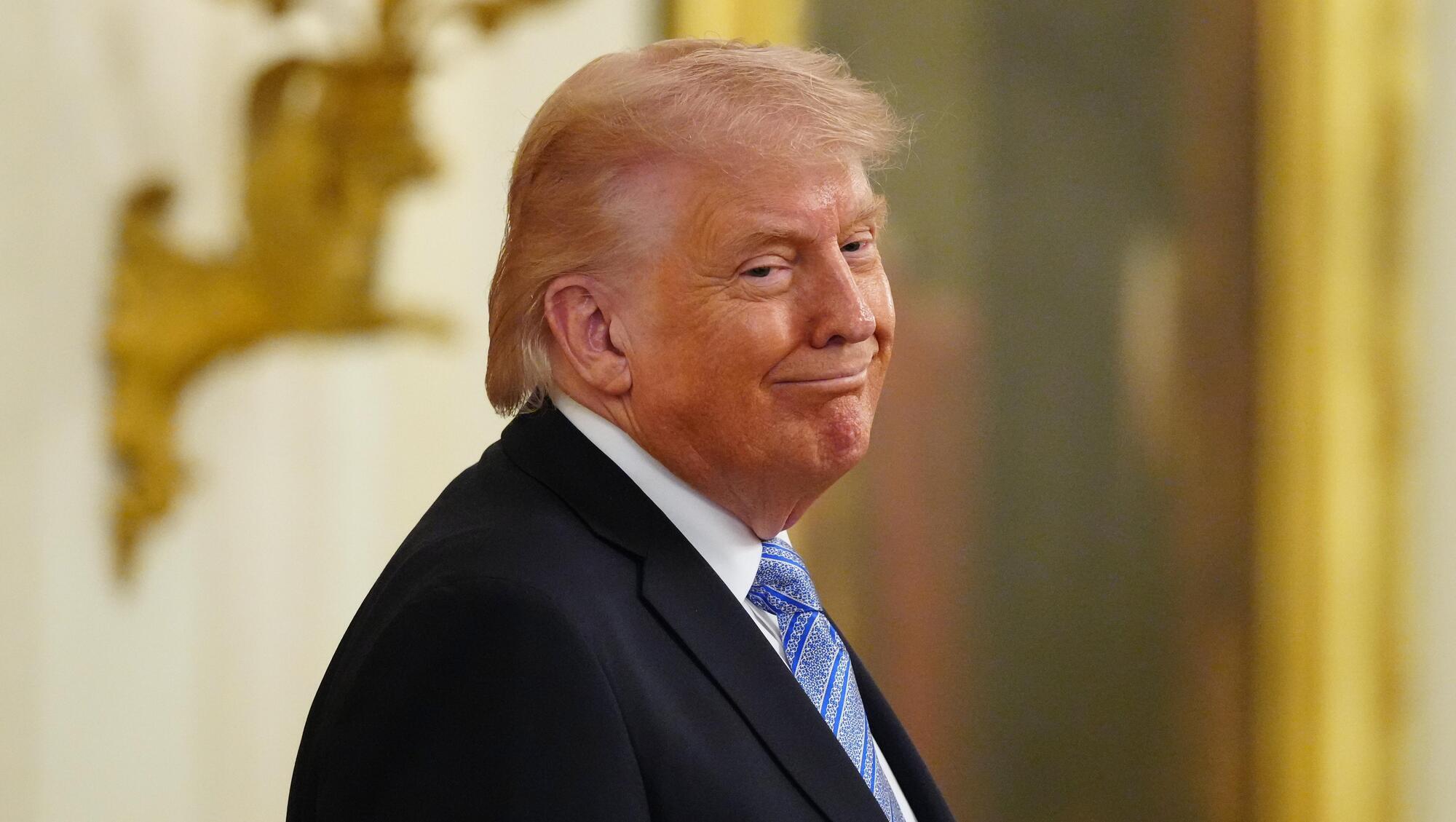
US president Donald Trump. US markets have benefited from the economy’s relative insulation to geopolitical risks and solid corporate earnings
Picture: AP Photo/Jacquelyn Martin

As further hard data trickles out amid the ongoing Iran conflict, it appears the European economy is suffering most from the impact, outside of the immediate Middle East region. Economic surprise indices point to a sharply diverging trend in the incoming European data versus expectations compared to the US and global metrics.
This has also been reflected in equity markets, with the benchmark Euro Stoxx 50 down nearly 4% since the start of March, compared to a near 8% gain in US equities. UK markets have fared even worse down around 6% over the same period, with the UK buffeted by structurally higher inflation and political uncertainty.
US markets have benefited from the economy’s relative insulation to geopolitical risks and solid corporate earnings, which have underpinned stocks. However, these gains have become increasingly concentrated within large cap tech stocks, while rising domestic inflation might yet dampen already softer consumer spending.
In Europe, corporates are already internalising grim readings from business and consumer sentiment surveys within an economy only emerging from the successive shocks of covid and the war in Ukraine.
Last week’s final reading of S&P Global Eurozone Composite PMI confirmed business activity contracted for first time in almost a year-and-a-half as inflation continued to rise in April. Additionally, business confidence slipped to a 31-month low and there was a further fall in employment. This negative out-turn in the Eurozone PMI contrasts with a relatively resilient picture in the US survey, which showed a small uptick in activity in April.
An additional factor to consider is the role of European governments in the current crisis. In a prolonged shock, akin to that experienced in the aftermath of the invasion of Ukraine in 2022, governments lack the fiscal firepower to offset the impact on corporate and household balance sheets to any great extent. According to the OECD, in the median G20 economy, government gross debt has risen by close to 40% of GDP since 2007, immediately prior to the global financial crisis, with a significant chunk of this debt built up since 2020.
These fiscal pressures are now crystallising in rising sovereign bond yields. UK gilt yields are 70-90 bps higher across the curve since end-February, with 40-60bps increase for major Eurozone sovereigns. That means the private sector could bear a proportionately larger cost than in 2022, while windfall taxes on energy companies could also feature more prominently, as governments seek new revenue-raising measures within tight budgets.