What can Ireland learn from Bodø/Glimt and Norway's sporting model?
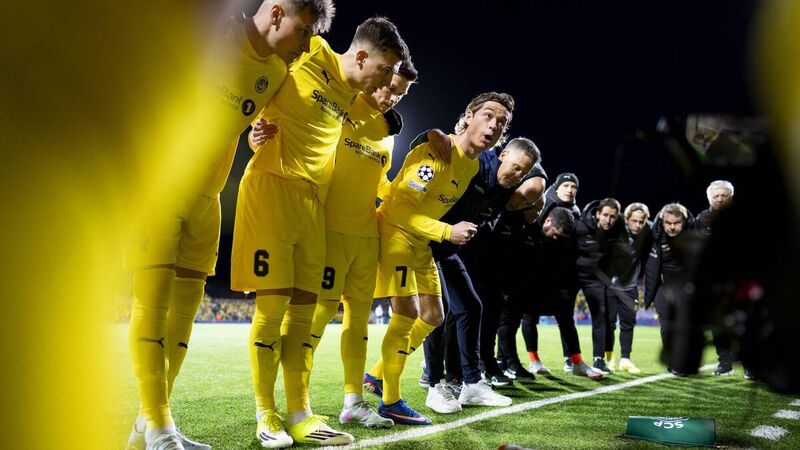
TOGETHER: Patrick Berg, Sondre Brunstad Fet, Kjetil Knudsen and Jostein Gundersen of Bodo/Glimt before kick off during the UEFA Champions League Round of 16 First Leg match clash with Sporting Clube de Portugal at Aspmyra Stadium on March 11, 2026 in Bodo, Norway. (Photo by Martin Ole Wold/Getty Images)
NORWAY has consistently performed at a very high level in international sport, particularly in winter sports and endurance disciplines, despite having a relatively small population of just over five million people. Key factors contributing to Norway’s success include a strong child-centered philosophy in youth sport, a focus on late specialisation, a robust community-based club system, significant public investment in sport, close collaborations with academic institutions, and a cultural tradition of physical activity.
A central element of Norwegian sport is the child-centered philosophy that guides youth participation. The national sport system promotes a set of principles often referred to as “children’s rights in sport” (UNCRC).
These guidelines emphasise enjoyment, participation, and personal development. In practice, this means that young children are encouraged to focus on play and skill development rather than results, and formal rankings or intense competition are generally avoided until early adolescence. This approach helps create a positive sporting environment that prioritises motivation, inclusion, and long-term engagement. As a result, many children remain involved in sport for longer periods, which increases the overall talent pool and reduces the risk of burnout or early dropout.
Closely related to this philosophy is Norway’s emphasis on encouraging children to participate in many sports instead of focusing on one sport at an early age. This multi-sport approach helps develop a broad range of motor skills, coordination, and physical abilities. Many successful Norwegian athletes report participating in several sports during their youth before specialising later in adolescence. It can be argued that athletes get the opportunity to develop a stronger physical and psychological foundation, which ultimately supports higher performance at the elite level.
Another key factor behind Norway’s sporting success is the strong network of local sports clubs that forms the backbone of the national sport system. These clubs are typically non-profit and community-based, relying heavily on volunteers, particularly parents. This structure makes sport accessible and affordable for many families and allows a large proportion of children to participate. The emphasis on community involvement also creates supportive environments where young athletes can develop both socially and athletically. Because participation is widespread, the system generates a broad base of athletes from which elite performers can eventually emerge.
In addition to grassroots participation, Norway also invests strategically in elite sport development. Organisations such as Olympiatoppen play a crucial role in supporting high-performance athletes and teams. This organisation provides access to sport science, coaching expertise, performance analysis, and medical services. By integrating scientific research with practical training methods, Norwegian athletes benefit from evidence-based approaches to performance improvement. Furthermore, government funding and lottery revenues help finance facilities, coaching education, and athlete support programs, ensuring that elite athletes receive the resources they need to compete at the highest level.
Cultural factors also contribute significantly to Norway’s success in sport. Outdoor recreation, often referred to as “friluftsliv,” is deeply embedded in Norwegian society. Activities such as skiing, hiking, and cycling are common from an early age and are widely supported by families and schools. This culture of outdoor activity helps develop a broad range of movement skills and endurance while fostering a lifelong appreciation for physical activity. For many Norwegian children, engaging in outdoor sport and exercise is simply a natural part of everyday life.
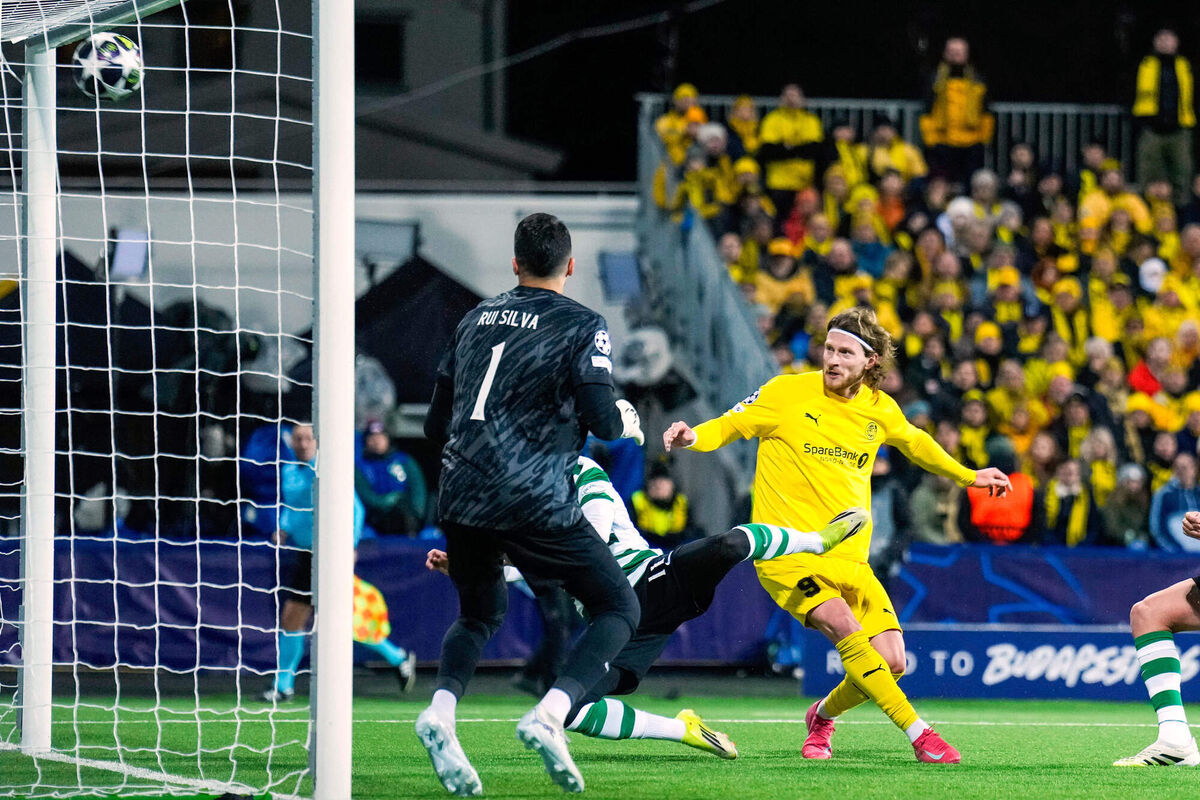
A good recent example of how this value-based approach that reflects broader characteristics of Norwegian sport, is the success of the football club Bodø/Glimt. Despite being located in a relatively small city north of the artic circle, the club has achieved remarkable success domestically and in European competitions. Tonight they face Sporting Lisbon, standing 3-0 up from the first leg, and on the brink of a quarter-final meeting with Arsenal or Bayer Leverkusen.
One of the key reasons for this success is the club’s strong emphasis on shared values, culture, and player development. The club promotes principles such as trust, humility, collective responsibility, and continuous improvement. Under the leadership of head coach Kjetil Knutsen, Bodø/Glimt has developed a distinctive playing style characterised by a strong teamwork ethic. Knutsen has emphasised a learning-oriented environment in which players are encouraged to take responsibility, support one another, and constantly seek improvement.
Rather than relying solely on expensive player transfers, the club focuses on developing players within a supportive environment where teamwork and commitment to the collective are prioritised. In a recent interview Olav Øverli, Academy Director at Bodø/Glimt, said – “Joy is one of the most powerful drivers of learning, yet many academy structures forget about it”. The success of Bodø/Glimt demonstrates how a strong culture and clear values can allow a relatively small club to compete successfully against larger and wealthier teams.
In conclusion, the success of Norwegian athletes and teams can be attributed to a combination of philosophical, structural, and cultural factors. A child-centered approach to youth sport encourages enjoyment and long-term participation, allowing athletes to develop a strong foundation before focusing on elite performance. The extensive network of community sports clubs ensures broad participation, and strategic investment in elite sport and close collaborations with academic institutions like the Norwegian School of Sport Sciences, provides the necessary resources and expertise for high-level competition. Together with a strong cultural tradition of outdoor activity, these factors create a sport ecosystem that consistently fosters successful athletes despite Norway’s relatively small population.
CONNECT WITH US TODAY



Be the first to know the latest news and updates