Enda McGinley: Goalkeepers still shape Gaelic football's biggest moments
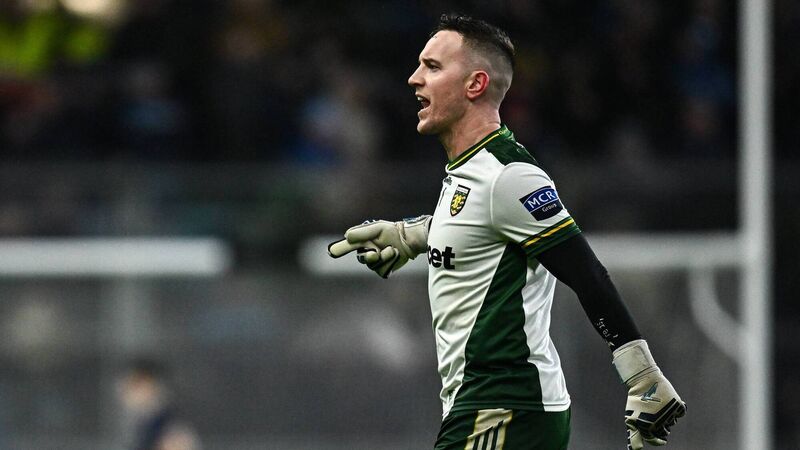
Donegal's Gavin Mulreany was one of the best goalkeepers during this year's National Football League. Pic: Seb Daly/Sportsfile
FROM any perspective, the evolution of the goalkeeping role in Gaelic football is a stark timeline. For the first 100-odd years, nothing much happened. Then within the last 15 years, it has undergone transformation over and again.
Once, the steady fella with the big boot, went between the posts. If he could catch and kick and maybe wasn’t as fond of the running, the position seemed like home. A degree of bravery, especially in the early days when ‘man and ball’ was the approach to stuff dropping in the square, was helpful. Only as you moved up the ranks was the degree of agility and shot stopping ability a factor in selection. Before then, if you put your hand up, well it was yours.
For many, it wasn’t even the player who put the hand up - it was their father 30 years prior, who probably volunteered for a role that could carry through generations like few others. They were termed the ‘custodians’ for a reason, they stayed at home and minded the house. Nothing fancy, solid, dependability was their calling card.
Then came the Cluxton clause. He was to goalkeeping in Gaelic football what the big bang was to the cosmos. Nothing was ever the same again. Keepers went from ‘hoofers’ to laser-guided systems operators. From there they became free takers, third midfielders and the extra man at the back through which to play out of defence.
Read More
Connect the dots however you like, be it blanket defences or possession retention that ended football as we had known it, the modern goalkeeper’s role, best represented by the ex-Dublin net minder, was central to all that changed. So much so, of the many things the FRC targeted, the impact on goalkeepers has arguably been greatest and generated the most discussion.
There were two elements, the kicks outside the 40m significantly curtailing their shooting range and allowed teams to kill the spaces they previously got their kickouts away into. And also, the no pass back rule to further encourage teams to press up meant the keeper’s central role in helping their defence retain possession was killed off.
The counter-balance to that though was the initial potential to join their attack as a 12th man. Teams, in the initial iterations, were quickly finding that they simply played keep ball until their key man came up the pitch to launch their 12 v 11 attack. For certain goalies, the restriction to their kickout party tricks was more than acceptable when they had all this attacking play to be getting on with. No sooner had this new role as attacking playmakers being tantalisingly dangled in front of them that it was it swiped away with the FRCs tightening of the 11 v 11 rule.
Goalkeepers could still go upfield, but their value would have to be greater than the 11 best outfield player and allow for the increased risk of an open goal. Rory Beggan was virtually the only exception to the rule but that potentially said more about the paucity of the Monaghan talent pool this spring. For the rest, the tactical scales of risk v benefit no longer tilted the goalie’s way and they have been largely returned to their penalty boxes.
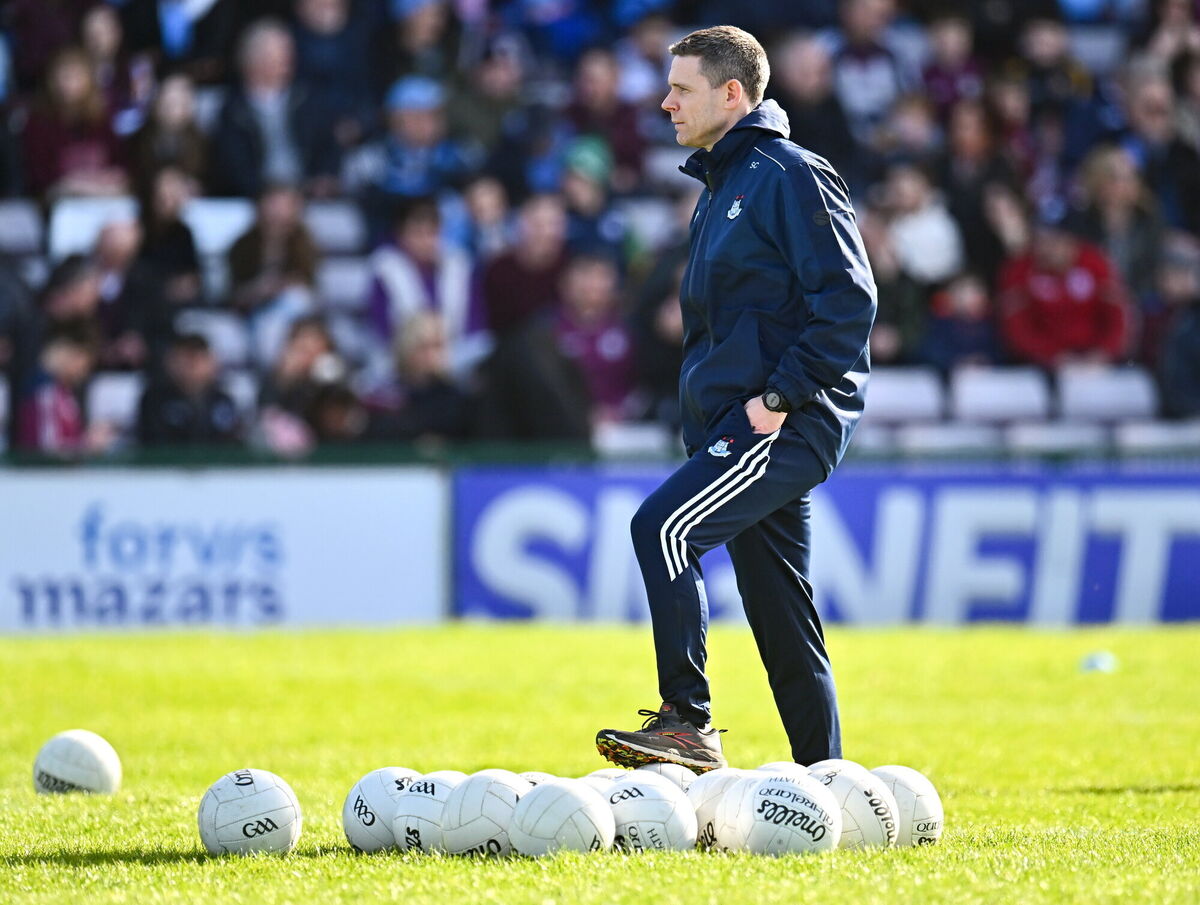
Confined to barracks they may be, but this year’s league demonstrated repeatedly how goalkeepers remain absolutely central to their team’s and game outcomes in general.
The respective goalkeepers of the four winners of the divisional league titles all had great campaigns. Ben McCarron may not have had his best of finals against Longford, but the Éire Óg man’s late penalty save against Tipperary launched Carlow clear at the top of Division 4. In Ronan Burns of Down, Sean Brennan of Meath and Donegal’s Gavin Mulreany, you had three of the top keepers in the game over the past few months.
Brilliantly for me, it’s in the bread and butter basics of goalkeeping that their value now lies. With all the two-point attempts raining in, the ability to deal with the dropping ball has only increased now in value. Whether to come or stay, fetch or punch, (and, if punching, how to get it safe) the decision-making and skills required to appropriately set yourself, jump and execute the skills are only magnified by the fact there is usually an inrushing horde rapidly coming at them.
More obviously than that, however, is the shot stopping and kickouts. Notable increases in attempts on goal was one of the early findings from the Games Intelligence Unit following the 2025 league and this only exploded further into championship where there was an average of six shots per game. This spring’s data is not yet available but I’d be surprised if that has not been sustained.
The one enduring aspect of the game pre and post FRC, is our eternal obsession with all things kickouts or - I hope I don’t lose some of you here - ‘restarts’. Possession is king and there are two primary ways of gaining it in a game. One is turnovers, the other is kickouts. One is not fully within your control, the other, well, there’s been some debate. Kieran McGeeney’s notorious ‘piggery’ line appeared to show the top coaches’ frustration that the kickout aspect of the game had now just become a lottery, outside of their control and strategies. Jim McGuinness, essentially agreed with Geezer. If all doesn’t seem right with that particular turn of events, I would be right with you in terms of that scepticism. Darren Devine’s (@darrendevine92) excellent work on stats told the tale.
The managers’ increased engagement in post-match media discussions were a brilliant if unforeseen development in the league but we must remember that it’s not just the Kerry men who are well-versed in a bit of cute hoorism.
Armagh, with 68%, had highest retention rate of Division One teams, while Donegal, with 63%, weren’t far behind and above the average of 60% (as were Kerry with 67%).
The averages only tell one part of the story, though, and maybe miss the decisive part - the ability of a keeper to hold it together during those periods when an opposition start to win kickout after kickout. When everything is crumbling around them, goalies must hold firm. It may be a 15-man game but during those season-defining moments, there is one man that is standing at the tee on which all eyes are trained.
Custodian indeed.
Their unique skillset still gets to venture upfield occasionally. The removal of off the ground frees from general play has seen a gradual extinction of the skill from the vast majority of outfield players' repertoires. Across the top teams the likes of Sean O’Shea, Michael Murphy, Sam Mulroy and Steven Sherlock are a dying breed. The fact the vast majority of teams will turn to their no.1 to take long range frees is hardly surprising given the hours of practice they dedicate to this very skill, but that also takes nothing away from the pressure and opportunity it places on those players.
Add in goalies coming to midfield to compete for the oppositions kickout and mix it with the rest and what have you got? One of the most varied roles on the pitch. It carries opportunity to influence the game, high-skill demand and personal-decision making by the lorryload. From Niall McDonald’s all-action man of the match performance for Louth against Derry to Micheál Aodh Martin’s four-save intervention against Kildare. From Gavin Mulreany’s and Sean Brennan's excellence throughout their teams Division One and Two title winning campaigns, it is clear that far from being curtailed, goalkeepers have cemented their place as one of the most important names on the team sheet.
If Stephen Cluxton ever cared to give his opinion, you could imagine the fact it’s the fundamental goalkeeping basics of kicking and catching that once again define the role would sit very comfortably indeed with him!
CONNECT WITH US TODAY



Be the first to know the latest news and updates