HSE must own its mistakes or lose the trust of women in the CervicalCheck programme
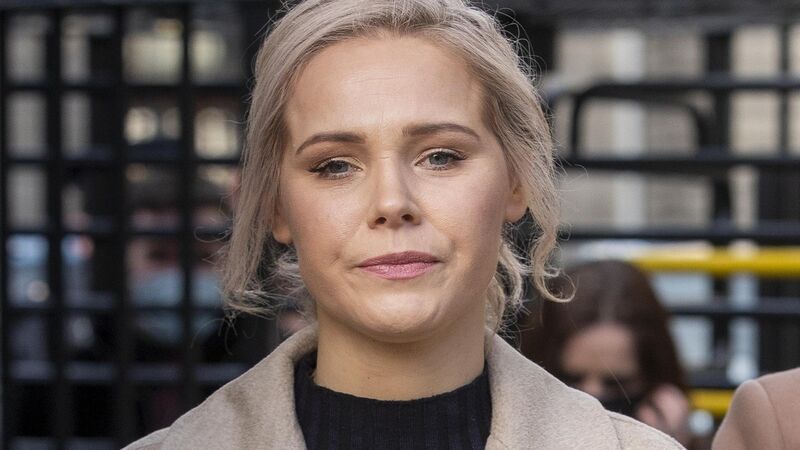
Lynsey Bennett has settled her case against the HSE and the laboratory involved in her missed cancer diagnosis. Picture: Collins Courts
The HSE must own the mistakes of the past or risk losing the confidence of women in the CervicalCheck cancer screening programme.
On Wednesday, Lynsey Bennett settled her case against the HSE and the laboratory involved in her missed cancer diagnosis.
The mother-of-two was diagnosed with cervical cancer in January 2017 following a series of smears since 2010, which failed to detect disease. Following medical treatment, the cancer returned in 2018.
Now seriously ill, the 32-year-old broke down as she expressed relief that the court ordeal was over.
“I can now focus on my own fight to stay alive for as long as I can,” she said through tears.
While her case was settled, the claim that her cancer was allowed to develop and spread undetected was denied.
There was no apology, only a “letter of regret” from the chief executive of the CervicalCheck programme.
Lynsey is one of many women who have been dragged through the courts to settle their claims.
It is not long ago that Patricia Carrick settled her case before the courts only to die within weeks, leaving four children behind.
Ruth Morrissey and Emma Mhic Mhathúna, who also died, faced court battles that only served to compound the damage done.
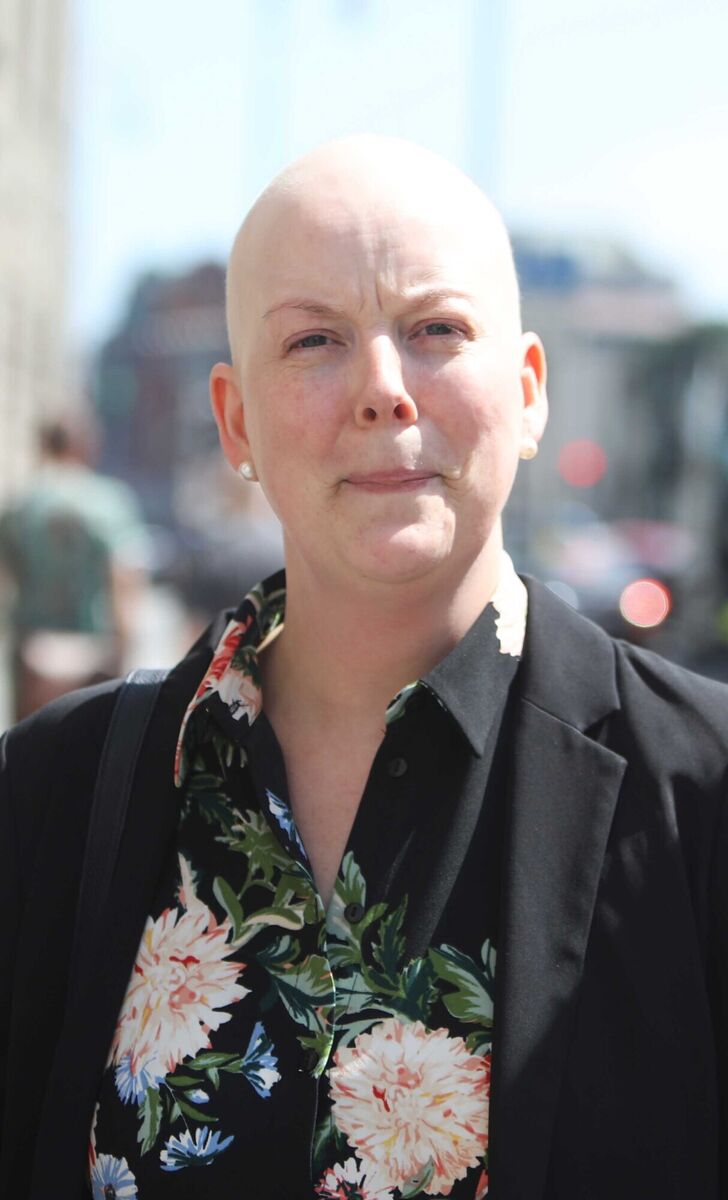
Tragically, there are dozens more women likely to face a similar court ordeal in the absence of a tribunal that meets their needs.
Government promises in 2018 that women would not face an adversarial legal process now ring hollow for those at the centre of around 140 pending legal actions.
While the CervicalCheck Tribunal was formally established last October and is technically up and running since December, it is not yet clear if it has heard any cases to date.
The tribunal was set up to mediate claims arising from the CervicalCheck controversy, which identified missed cancer diagnoses in 221 women as well as issues around governance and open disclosure. Women can opt to pursue their case in the courts or the new tribunal mechanism.
In recent weeks, Health Minister Stephen Donnelly accepted that discussions with campaigners over the scope of the tribunal, in particular the statute of limitations and whether women can return if their cancer recurs, reached an impasse late last year.
He said, however, that he was satisfied that the tribunal was the “most appropriate venue” for CervicalCheck claims and that it was “entirely up to the women affected” whether to use it.
Campaigners from the 221+ group, which represents women and families affected by the screening failings, feel they are not being heard.
In the wake of the Bennett settlement this week, 221+ founder and campaigner Vicky Phelan did not hold back when calling out the HSE and State Claims Agency for failing to admit that mistakes were made.
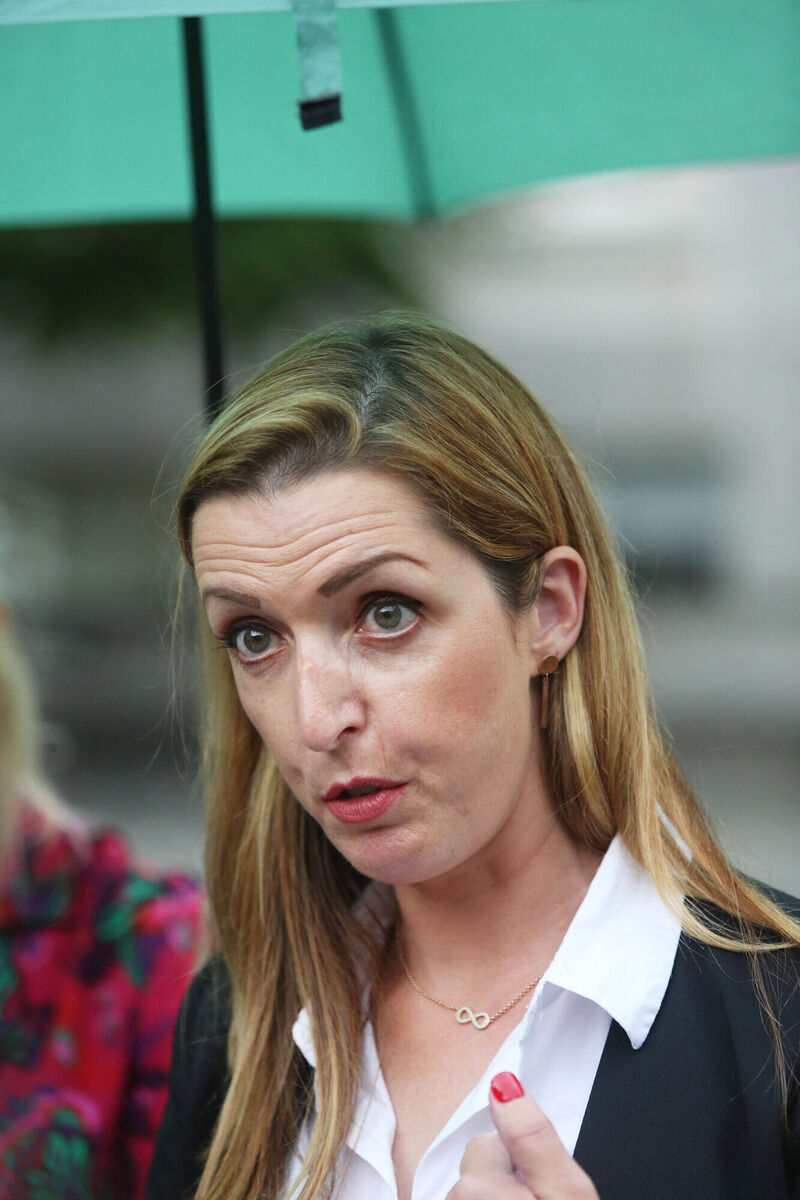
The Limerick mother-of-two, who is currently receiving treatment in the US for new tumours, hit out at what she described as a “disturbing” and “troubling” narrative being used by the HSE that a small number of cancers — interval cancers — will be missed through screening.
A force for change following the CervicalCheck debacle, Ms Phelan tweeted: “What we are seeing is a deeply disturbing narrative beginning to resurface despite the fact that in all cases that have been heard, to date, for failures in cervical screening — negligence has been established and women have been compensated and we will all die as a result.”
Increasing public trust and confidence, she said, will require an acknowledgement by the screening programme, and those involved, that harm was done and that it failed women, as well as meaningful engagement with patient advocates.
And that is one of the most heart-breaking aspects of this debacle, which unfortunately will leave an enduring legacy of loss for the children and families left behind.
While positive changes have been made to the screening programme since the 2018 Scally Review public trust and confidence has not yet been restored.
The HSE has moved to set out the limitations of the screening programme and how two cancers can be missed in every 1,000 women screened.
There is a risk, however, of these limitations being conflated with the mistakes of the past something that Ms Phelan was at pains to point out this week.
It was not merely a case that some cancers were missed. The Scally Review found the screening programme was “doomed to fail” and reflected a “whole-system failure”, in addition to poor governance issues and the non-disclosure of information to patients.
In the midst of a global pandemic which led to screening being suspended last year, CervicalCheck now faces a new set of challenges to catch up on a backlog of appointments.
How it deals with the continued fallout of past failings will be critical to restoring faith in the screening programme now and into the future.
CONNECT WITH US TODAY



Be the first to know the latest news and updates