Colin Sheridan: A terrible beauty is born, again
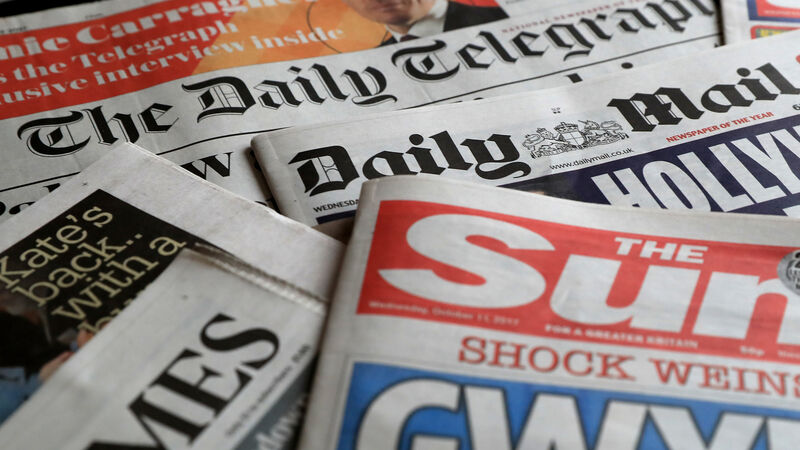
The simple newspaper still retains significant relevance.

“This was the story of Howard Beale: The first known instance of a man who was killed because he had lousy ratings.” — Narrator, (1976).
Old media is dead or dying, they say.
New media, that shapeshifting medusa, claims to be alive and well.
It's just much harder to pin down and define, let alone qualify yourself to have a career in. Unless of course you are an influencer, but more of that anon.
All has changed, again, changed utterly, again, and a terrible beauty is born, again.
In January this year, the closed its sports department, the very stable that brought us Red Smith, Frank Litsky and Tariq Panja.
The same month, , the golden child of the sports magazine era, had its license to publish revoked as it initiated massive layoffs.
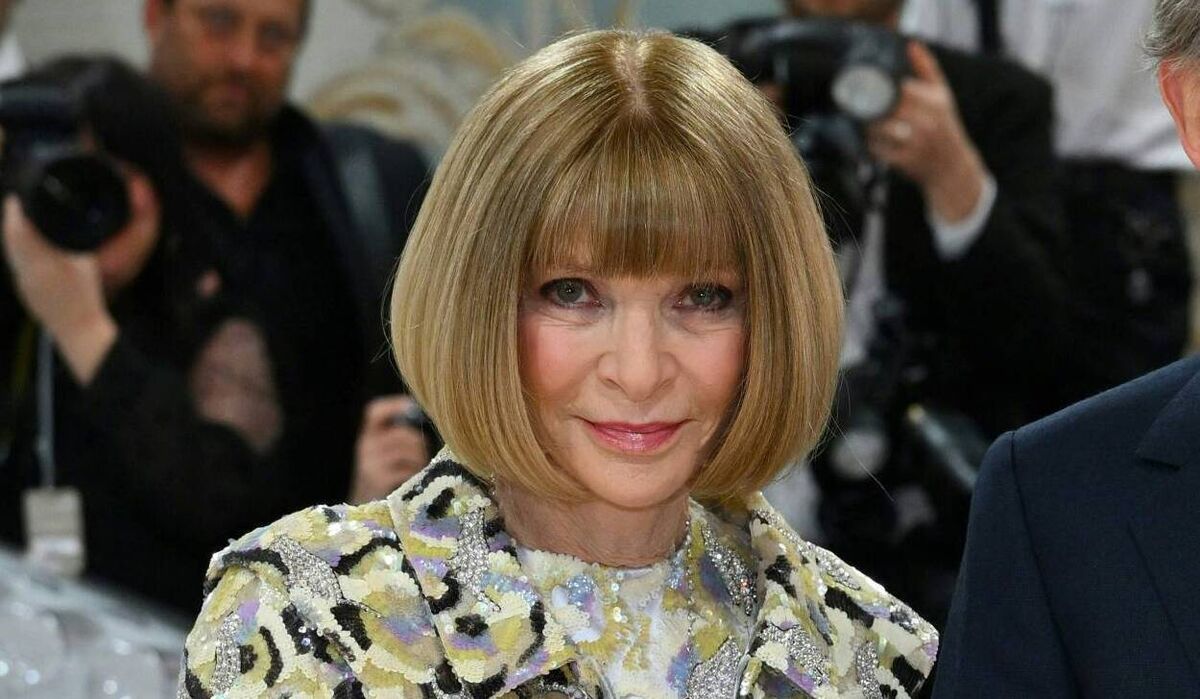
In what was fast becoming a black first quarter for print media, Condé Nast enlisted none other than Anna Wintour to issue a memo announcing that this century’s most influential music publication would be merging with , effectively ending its (albeit self-anointed) reign as “most trusted voice in music”.
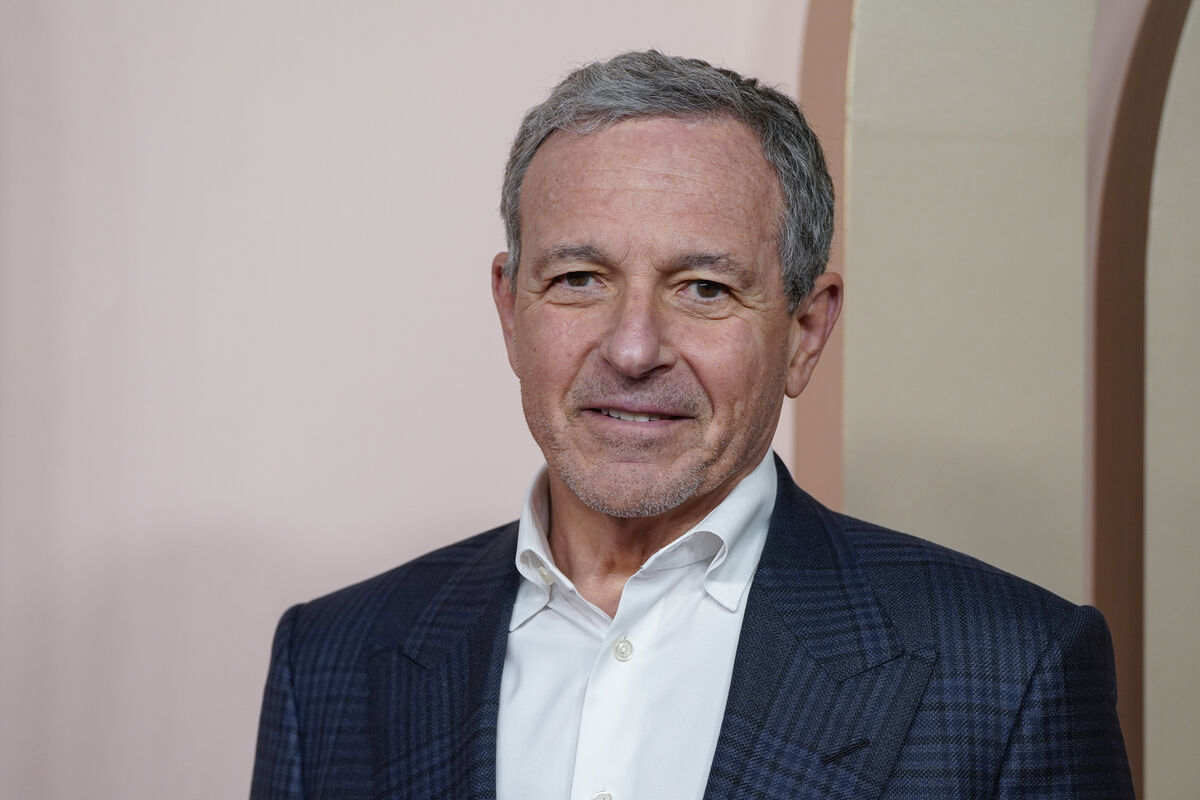
Last summer, ESPN laid off a swathe of rank-and-file journalists, as well as many star names such as Jeff Van Gundy and Jalen Rose, to clear their salaries from the fiscal year 2024 books, an accounting tactic that allows ESPN’s parent company, Disney, to deliver the cost savings that CEO Bob Iger promised to Wall Street.
In a move that confounded as much as it infuriated, the channel hired shock-jock Pat McAffee — the Joe Rogan of talk sports — on a reputed salary of $17m per year.
As is the way of things, what happens over there happens here soon enough.
Earlier this year, Mediahuis Ireland, the company that owns newspaper titles including the , , and , announced another redundancy programme with the aim of cutting 10% of its Irish workforce.
The state broadcaster, RTÉ, has initiated a hiring freeze and salary caps for its top earners, as it navigates its way through a mismanagement scandal so absurd it’s making the FAI look Scandinavian.
This newspaper's parent, the Irish Times Group, is in the midst of its own group voluntary redundancy programme.
But 'new' media is suffering, too. Vice, the platform that bills itself as the "definitive guide to enlightening information" announced this year it would cease publishing on its website.
The media group was once valued at billions of dollars, did extraordinary investigative news and grew to a behemoth, only to fail.
Buzzfeed News went the same way, a company which shook up the media and in which hundreds of millions of dollars were invested in the 2010s, while traditional media continued to invest and rely on advertising and circulation sales.
While print journalism especially stares down another existential crisis, it has ironically never been as easy to qualify as a journalist in the traditional sense.
School-leavers can apply for degree-level journalism training in DCU, UCD, University of Galway, Trinity, Maynooth, UCC, UL, and TU Dublin.
Perhaps tellingly, plans for the country’s first-ever degree in influencing were unveiled by Southeast Technological University last autumn. That course will have its first class in September.
As some doors close, others — however dubious — open.
In 2021, The Ditch — an Irish political news website established by journalists Eoghan McNeill, Roman Shortall, Chay Bowes, and businessman Paddy Cosgrave — first appeared.
Despite repeated attempts to discredit and ignore it from Government, the website has been responsible for breaking some of the biggest political stories of recent years.
Another outlier is Gript, a website that has been described as conservative, far-right, and right-wing.
Both have been subject to scrutiny over the source of their funding, and how politically motivated their editorial agendas are.
The Currency, another online publisher to evolve from the rubble of print media, offers deep-dive investigative journalism more from the old magazine school and boasted around 6,000 subscribers this time last year.
The Journal asks people to sign in or voluntarily contribute money.
The media models differ, but while many lament the halcyon days of long-reads and profile pieces months in the making, if you're willing to seek them out you'll discover its not that they don't exist anymore, it's just that they've moved house. Maybe under an assumed name.
Bill Simmons’s The Ringer website remains a prime example of what new media could look like.
As ESPN began to mimic a bored Floridian housewife overpaying for unnecessary plastic surgery to look younger and more desirable, one of its first casualties was Simmons, and his beautiful but broken brainchild, Grantland.
Deemed too much of an intellectual indulgence by Disney, in 2014 they cut Simmons and Grantland loose.
The divorce was a rejection by ESPN of the viability of podcasts being a sustainable source of revenue, revenue that would carry the more discerning type of pop-culture commentary Grantland became synonymous with.
Simmons, deploying a healthy amount of corporate revenge-body motivation, began The Ringer.
Eschewing investors’ money, he banked on the ads-based revenue of his signature podcast to bankroll the site in its early days.
In February 2020, Spotify bought it for $250m.
While there is no definitive roadmap — or endgame — for any one genre of media, what Simmons’s gamble proved is that it is evolution that continually drives the industry, not revolution.
Artificial intelligence, Chat GPT, social media, content creators — each one has appeared like a grim reaper at the door of old media, yet the simple newspaper still retains significant relevance.
Maybe it's a tad naive — romantic, even — to suggest it’s people and stories who drive our desire for consumption.
How those stories are delivered may change, hopefully our interest never will.
CONNECT WITH US TODAY



Be the first to know the latest news and updates