'Difficult challenge' to bar scrambler bikes from public roads, says justice minister
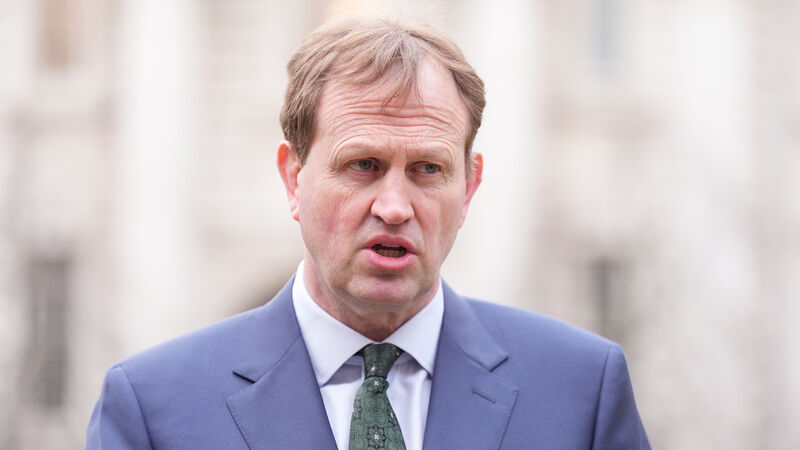
Justice minister Jim O'Callaghan said gardaí need to use 'discretion' when pursuing people on scramblers, pointing to the possibility of other people being injured or killed during a chase.
It will be a “difficult challenge” for gardaí to enforce new laws to bar scramblers from public roads, the justice minister has said.
Jim O’Callaghan said Garda Commissioner Justin Kelly has assured him that gardaí are “very committed” to dealing with scrambler bikes.
“It is a very difficult challenge for An Garda Síochána, but I know from speaking to the commissioner that he takes extremely seriously what has been developing,” Mr O’Callaghan said.
“But there’s a recognition I think, within An Garda Síochána that more needs to be done in terms of protecting communities that have been exposed to scrambler use in their areas.”
He said some 117 scrambler bikes were seized by gardaí in 2025, mostly from houses through Garda intelligence.
The laws — introduced in response to the death of 16-year-old Grace Lynch last month — will prohibit the use of scramblers in public places such as roads, parks, and car parks.
Until now, it was only an offence to drive a scrambler dangerously on a public road, or to use one that was untaxed or uninsured.
The updated legislation will be known as 'Grace’s Law'.
Mr O'Callaghan promised a "very robust response" from gardaí in memory of Grace.
Mr O’Callaghan said gardaí need to use “discretion” when pursuing people on scramblers, pointing to the possibility of other people being injured or killed during a chase.
Asked if it would be possible to place controls on the importation of scramblers and e-scooters, Mr O’Callaghan said it is a “complicated area”.
He said scramblers remain legal to own in Ireland, and restricting their importation would require engagement with the European Commission.
“I think the laws that we have in place will be sufficient once Grace’s Law comes in and is commenced,” Mr O’Callaghan said.
“There’s also a recognition within communities as well that these are dangerous, deadly machines that are being used inappropriately and have resulted in the tragic death of Grace Lynch.”
Meanwhile, Mr O'Callaghan said it would be difficult to legislate to ban individuals from taking graphic photos of crime scenes and crashes.
He said he had considered the matter before, citing other TDs bringing forward private member's bills to outlaw the practice.
“On a basic level, human decency should mean that people should not be photographing people who have just recently died or are seriously injured. I think we need to emphasise the requirements of human decency.”
He said legislating to ban photography of graphic scenes would be another law that gardaí would need to enforce, adding that there are circumstances where it is appropriate for photos to be taken of crime scenes.
“I think the criminal justice system probably isn’t the most appropriate way to deal with that.”
CONNECT WITH US TODAY



Be the first to know the latest news and updates