How to safely wean your baby by introducing suitable foods
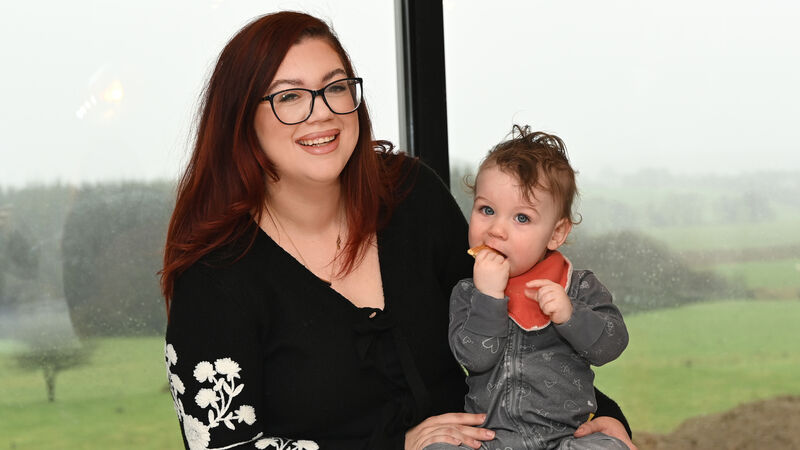
Sylvia Cronin with her son Arlo, 12 months, at home in Crossbarry, Co Cork. Picture: Eddie O'Hare.
Cronin says: “He was sitting up fully in his high chair and going for food; we’d be sitting, having dinner, and he’d be copying us, chewing.”
Innishannon-based Cronin believes in baby-led weaning, which Aileen Cox Blundell, registered nutritionist and founder of Baby Led Feeding, describes as “putting food in front of baby, letting them pick it up by themselves, and eat it on their own”, as opposed to traditional weaning, which focuses on spoon-feeding one food at a time, pureed smoothly.
Cronin, a content creator, understands why mothers might want to feel more in control by spoon-feeding.
“You’ve had six months of your baby relying on you for a bottle. And, suddenly, you have to let them take over and they’re [only] six months old.”
Weaning Arlo was easier than Theo, who was a fast eater. Cronin says: “Theo would try to get it all into his mouth at once. With Arlo, it was way less stressful. He’s doing great. He likes chicken, mash, and gravy. I make a ‘volcano’ out of mashed potatoes: He loves it.”
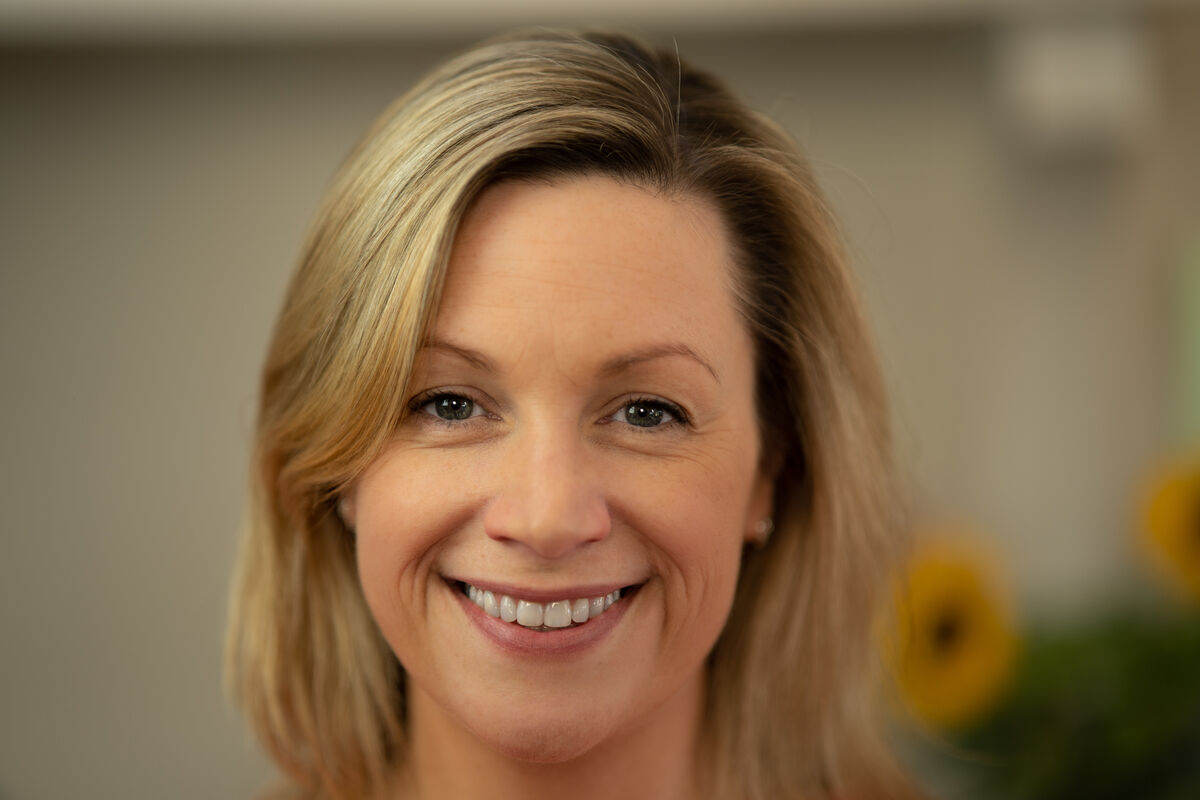
The WHO recommends starting solids around six months, but Jennifer Byrne, registered dietitian at Dublin Nutrition Centre, says solids are safe to introduce at 17 weeks, when kidneys and digestive system are mature enough to handle them.
“We don’t want to delay beyond 26 weeks: At this stage, their nutritional needs are no longer met from milk (breastmilk or formula) alone,” says Byrne, adding — rather than age — the most important indicator of the right time to start is when babies show developmental readiness for solids.
“This means having the physical and oral motor skills to manage solid foods safely. Signs of readiness include good head, neck, and trunk control, ability to sit with minimal support, and showing interest in food.”
Cox Blundell says the baby should be able to reach out and grab foods, and be able to pick up things and put them to his mouth.
But weaning her now 12-year-old daughter became a favourite part of those early years. “Experimenting with textures and tastes, watching her reaction... She’s grown into quite a fussy eater, so I look back fondly on when she’d try anything and usually love it.”
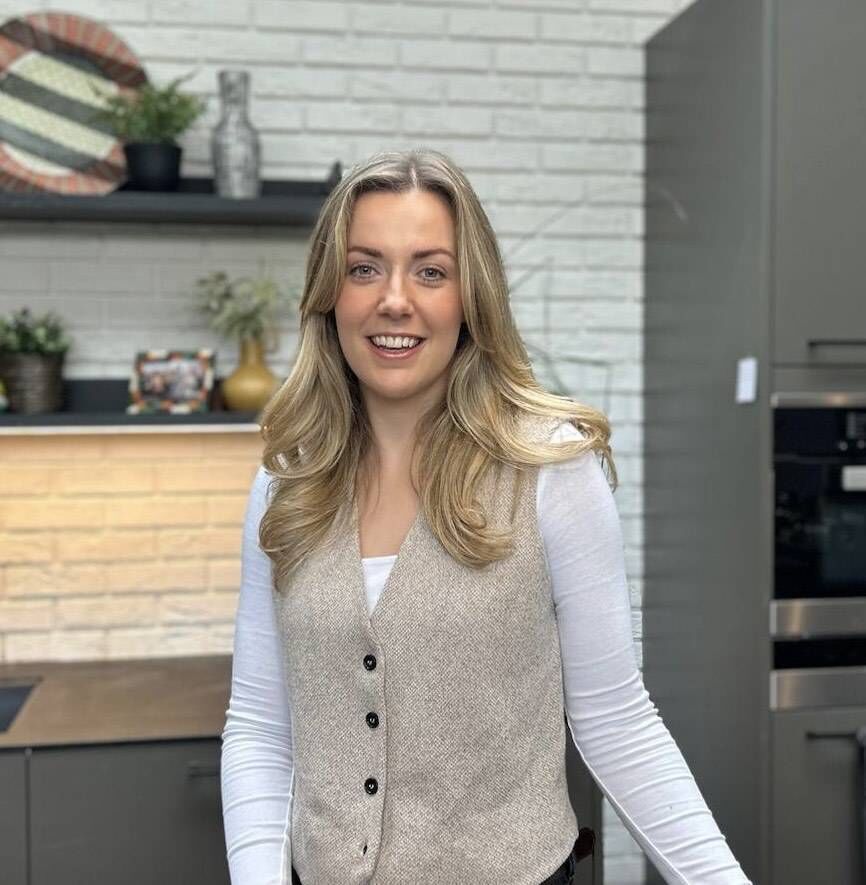
Like O’Callaghan, many parents worry ahead of weaning.
“A common concern is whether baby is getting enough nutrition: Parents are unsure how much food to offer. They worry if baby eats only small amounts, but it’s normal for intake to vary greatly day to day,” says Byrne.
Choking is a significant worry. “Parents [want] reassurance about which foods are safe, how to prepare them appropriately, and how to [tell] between gagging and choking.”
The HSE delivers ‘Baby Food Made Easy’ monthly webinars in Dublin. The 90-minute webinars include a short cooking demo, with some food safety advice. Last year, 1,600 parents attended. HSE senior community dietitian Edel McNamara says parents mainly worry about “introducing potentially allergenic foods and risk of choking and gagging when introducing finger foods or lumps”.
An infant first aid course ahead of weaning can help put minds at ease, says Cox Blundell.
“First aid will teach what gagging looks like, what choking looks like, so you’re more confident starting,” she says, adding research shows baby-led weaning — over traditional — is not associated with increased choking risk.
When you start weaning, Cox Blundell recommends all foods be squashable between finger and thumb. “So they’re really safe; no hard or round foods. The first meal I gave my baby was a salmon burger with roasted sweet potato spears.”
She suggests starting with one meal a day. “I recommend lunchtime: Mornings are busy in most houses, dinners can be manic… Sit with your baby and have a little lunch with them.”
Myths such as ‘babies need teeth to manage textured foods’ can get in the way of successful weaning.
“From around six months, babies are usually able to cope well with soft lumps and finger foods, even without teeth, using their gums to chew,” says Byrne.
Learning to eat should be positive and low-pressure, but the adage that "food before one is just for fun" is a myth that minimises the seriousness of addressing babies’ nutrition at this stage.
Byrne says: “From around six months, babies need solid foods, as well as milk, to meet nutritional needs. Breastmilk and formula alone no longer provide enough iron and zinc to support development.”
Cathy Monaghan, senior paediatric dietitian and founder of weaning.ie, highlights yet another myth: That babies over six months will be fine on milk. She says if eating skills are not developed before 10 months, it’s going to be hard for babies.
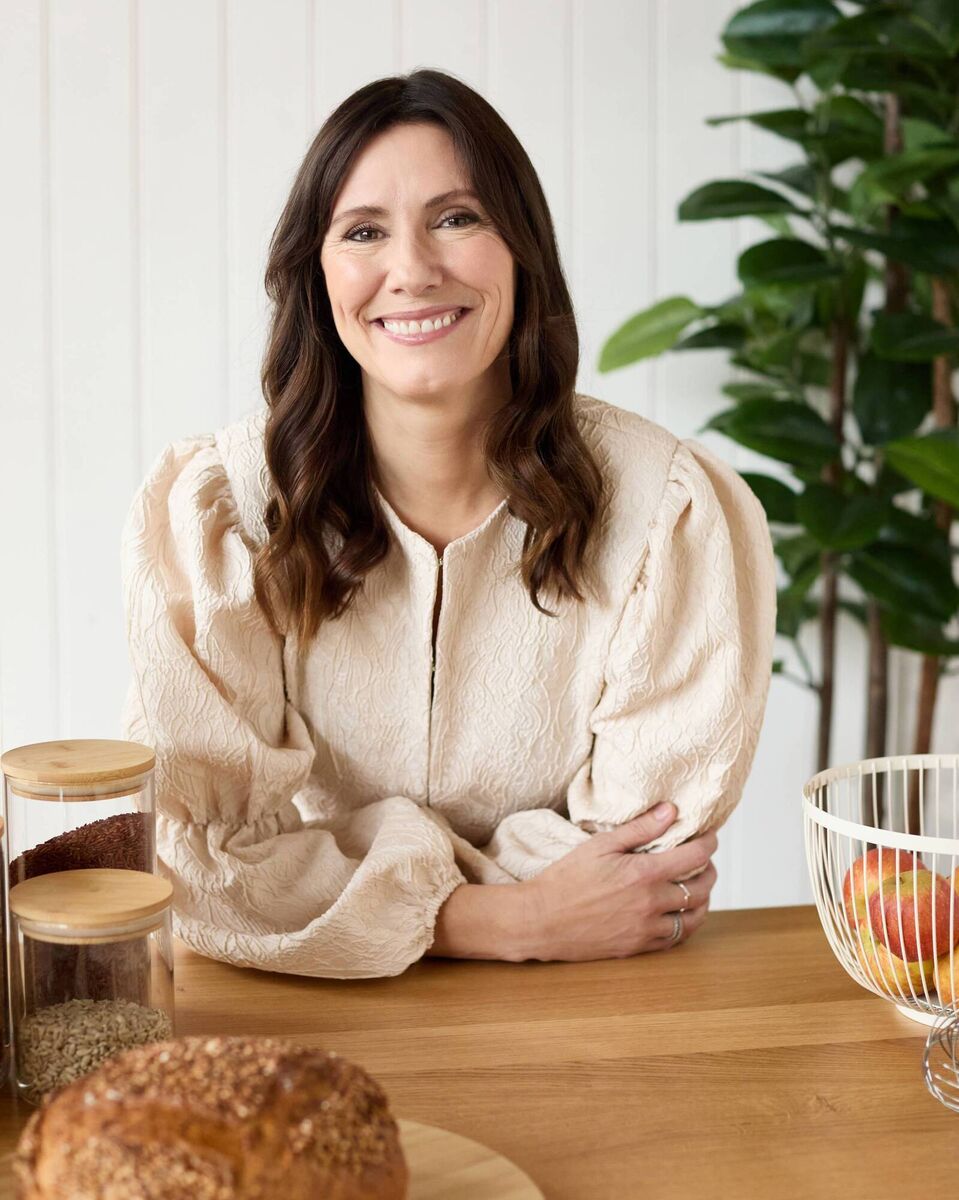
“By then, they should be well on the way to developing the skills of eating: Getting used to different textures in the mouth, being able to self-feed, hand-eye co-ordination, and drinking from a beaker.
Cox Blundell urges good nutritional balance. “Ensure high-iron, energy-rich foods: Little fishcakes, tiny beef burgers, small falafels, all squashable, paired with energy foods, like sweet potato. Babies grow at an exponential rate. Birth weight doubles by six months, triples by 12 months: An incredible amount of growth, unrepeated in any other life phase, and that’s why nutrition is so important.”
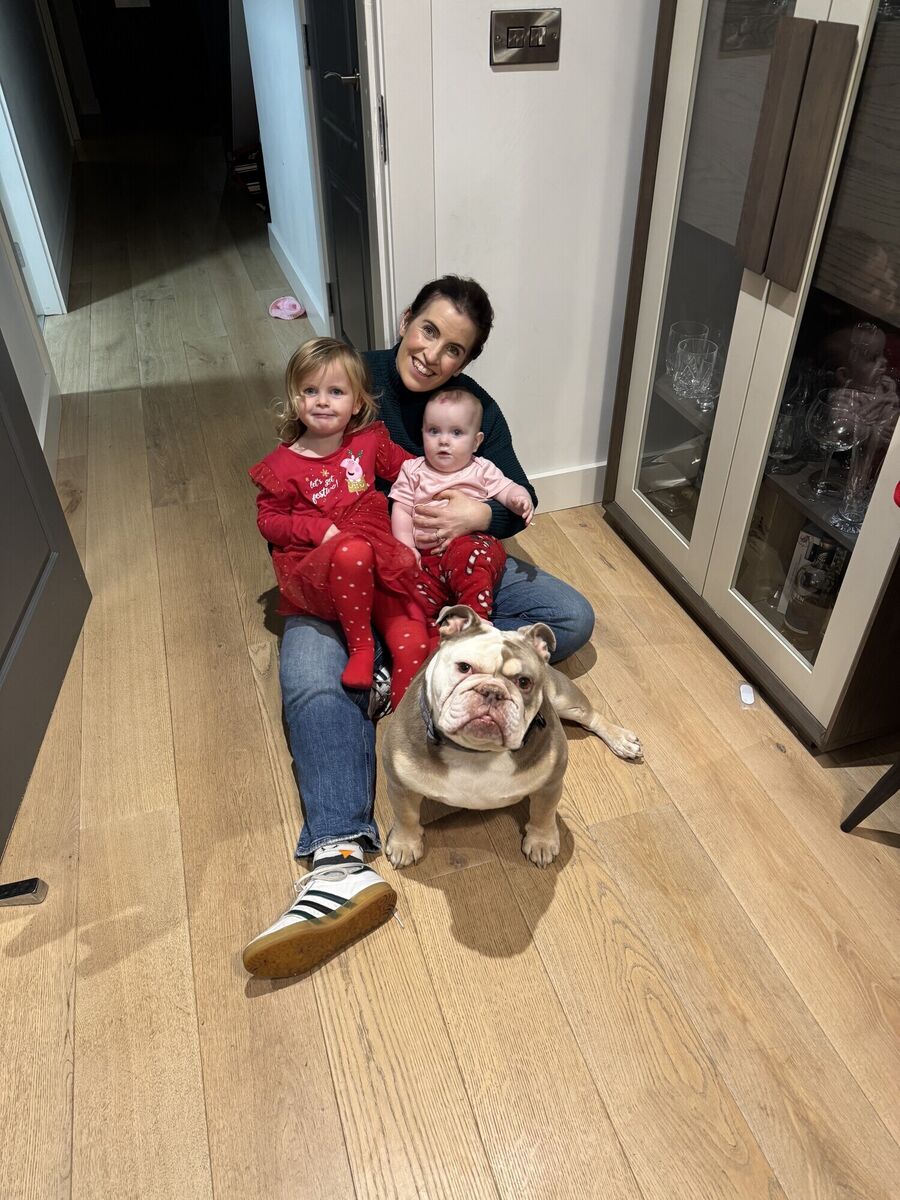
Sandyford-based Jennifer Allen, mother to Olivia, three, and 10-month-old Eloise, began introducing allergens — peanut butter, oats, egg — to Eloise at 5½ months.
Weaning Eloise is going well, despite challenges. “There’s a lot of putting foods in her mouth, but not swallowing.
“Olivia was better at not spitting food back out at me. But Eloise is doing great; she’s very independent.
"She used her hand this morning to eat her Weetabix. She doesn’t want to be spoon-fed: If I hand over the spoon, she’ll more likely put it in her mouth.”
Currently teething, Eloise loves fridge-cold slices of melon and cucumber. “They’re definitely favourites right now.”
Allen says, “It’s a challenge to feel you’re doing it right” with weaning. “I still worry about something going down the wrong way.
“Eloise is transitioning from pureed apples to slices now, trying to chew through them…
“But I find, with time, they eat more. The less pressure you put [on them], the more they eat. Olivia’s a fantastic eater; enjoys everything.”
- Invest in a good high chair with a foot rest, says Cox Blundell. “If baby’s feet are dangling, he’s either really lax and not sitting straight, or tensing his tummy muscles. Foot support helps him sit up straight, giving necessary stability to be able to pick up food and put it in his mouth.”
- “Plan weaning around all the foods you like to eat as a family; you don’t want to be cooking separate meals for your kids in future,” says Monaghan.
- Start when baby’s developmentally ready, recommends Byrne. Offer iron-rich foods from the beginning: Meat, fish, eggs, pulses, iron-fortified cereals. Avoid foods high in salt or sugar.
- Expect appetite to fluctuate. Byrne says patience and repeated exposure help babies accept new foods over time. “Mess, food-refusal, changing appetite are normal when learning to eat.” She advises following baby’s hunger and fullness cues. “To support a healthy relationship with food, avoid pressure, distractions, or forcing food." "It’s not your job to get food into your baby’s belly, but to support them to learn to eat in a safe way,” says Monaghan.
- Eat with your baby, urges Cox Blundell. “Letting babies see what you’re putting in your mouth is important. You’re setting example and tone: ‘This is how mealtimes are in our family’. Say, ‘My lunch is really nice. Is yours nice?’ It’s everybody sitting together, not you spoon-feeding and [afterwards] having a cold dinner.”
- Paediatric nurse and mother of four Karen Prunty advises keeping it simple and letting baby lead. “Let them touch the food, use their hands, grab the spoons, get messy — it’s all part of the learning-and-creating positive experiences.”
Listen to , HSE Talking Health and Wellbeing podcast: .
CONNECT WITH US TODAY



Be the first to know the latest news and updates