Food writers share their favourite healthy comfort food for cold winter nights
Picture: iStock
What does comfort food mean to you? Ask that question on Twitter and the answers come quick and fast. Homemade soups of every description. Cheese toasties. Dal and rice. Macaroni cheese. Fish pie. Miso soup. Everything and anything involving mincemeat - lasagne, chilli, cottage pie, shepherd’s pie. A Hungarian soup called Gulyásleves. Hot apple crumble and apple tart. Chicken stew or beef stew or lamb stew. Noodles, ramen.
Comfort food is a force for good in the world and much of it is associated with what we ate in childhood, tied up with memories of love and being taken care of. It’s the cosy food, the bowl food, the only-use-a-spoon food that we ate when we were under the weather or that we associate with parents who cooked for us.
A mainstay of comfort food is that it’s homemade: creamy mashed potatoes rate highly, alongside the anticipation of a stew or coddle or soup from the big pot in mam’s kitchen.
defines comfort food as 'food that provides consolation or a feeling of wellbeing, typically having a high sugar or carbohydrate content and associated with childhood or home cooking'. But that’s not always correct. Food that provides a feeling of wellbeing doesn’t always need to be super cheesy or creamy or carby or sweet. It can be a spinach-packed saag paneer, toast with good peanut butter or marmite, the perfect scrambled eggs.
Our definition of comfort food can also change as we progress through life. Despite never having met a lentil until I was in my 20s - the joys of a small-town Irish upbringing during the 1980s - dal (or dahl or daal) is one of my favourite comfort foods, served up alongside a steaming bowl of rice.
There’s often as much comfort in the making of these dishes as well as the eating. Stirring nutmeggy rice pudding or richly caramelising onions, savouring the aroma of a slow-cooked stew, shaping cool dough for a batch of scones: the rule in my house is if you make it, you can eat it. But moderation is everything and comfort food shouldn’t make you feel like you’ve overindulged and are weighed down with indigestion and regret.
No matter whether our comfort food dates from childhood kitchens or is a relatively recent acquisition, the same thing happens every year when the thermostat heads downwards: we want the food that makes us feel cosy and safe. It’s not just fuel for the body; it’s care for the soul.

Food writer Clare Anne O’Keefe picks a combination of creamy and crunchy and fresh and punchy: homemade hummus with a topping of “red onions, mint, toasted almonds and preserved lemon. Eat with a spoon or pile onto brown bread crackers.”
Comforting with apples is a theme from many kitchens - apple crumble, apple sponge and glory of all, a good apple tart. Keith Brennan of Hawthorn Hill Farm still dreams about it: “My mother’s apple tart. Sweet. Tart. Plentiful”.
One of wine writer Aoife Carrigy’s favourites is very much associated with her childhood: “Egg in a cup with toast soldiers is my top comfort food because my granny would make it when we stayed with her, and we’d eat it tucked up in her bed: safe and loved.”
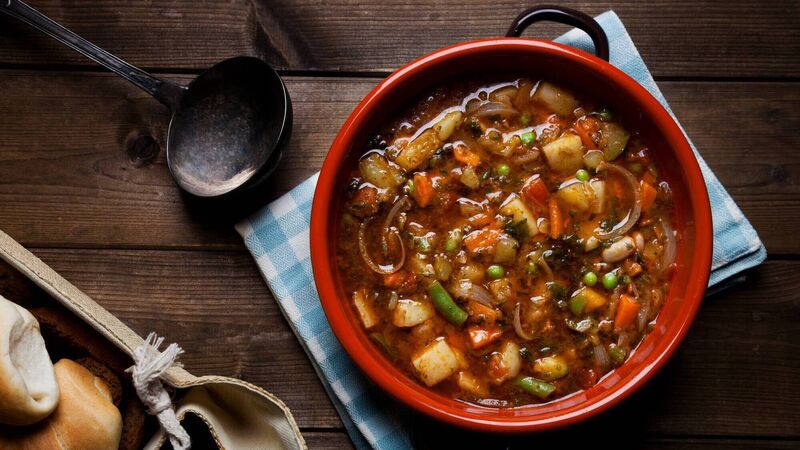
Author and chef Brian McDermott, whose book is packed full of Irish comfort foods like hot pots and boxty and soda breads, votes for his mother’s big hearty veggie broth, full of veg, potatoes and barley: “She reared 14 of us on it. God bless her. I feel safe and nourished when I eat it all these years later.”
It might not be a food, but a cup of tea features prominently alongside many people’s comfort food choices. Lucy Lambe of the Green Sheep in Thurles takes it to another level with “sweet milky chai,” a warming spiced tea that oozes cosiness.
Norwegian cook and author Signe Johansen put in a vote for “good chocolate cake” and when the weather is cold, there’s a lot to be said for the comfort of turning on the oven for a baking session. Her book has a recipe for easy double chocolate loaf cake: for balance, she recommends that you have a slice alongside a cup of green tea or glass of cold milk.
: go heavy on the broth, light on the noodles and pack it with vegetables like purple sprouting broccoli or pak choi.
: mix it up - for many years, my daughters believed that lasagne was the speedy spinach and ricotta version that I made regularly and were very surprised when everyone else’s lasagna turned out to include meat. Faster to make and just as tasty.
: make the switch to brown. While it’s the same rice, just unrefined, the brown option contains more nutrients, fibre and slightly more protein. If you can get your hands on brown basmati, you’ll still have that wonderful aroma in the kitchen while it simmers. It takes slightly longer to cook, however, so factor that into your dinnertime plans.
: thicken stews and ragu with protein-rich lentils, use chickpeas and butter beans to bulk out curries, make chilli with twice as many beans as usual or go meatless with chilli non carne.
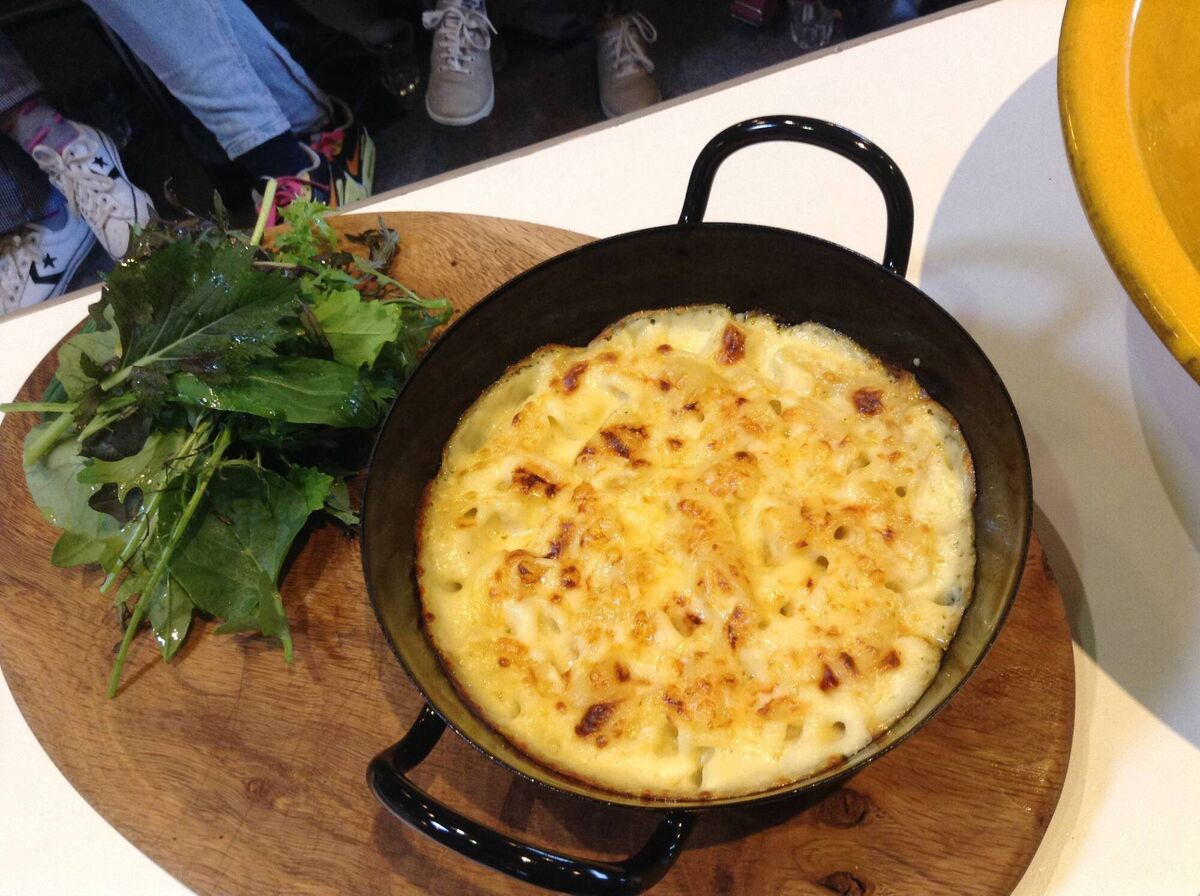
: I’ve always seen pasta - specifically wholemeal pasta - as a vehicle for including as much vegetables in a meal as possible. My standard macaroni cheese involves using at least twice as much broccoli or cauliflower as pasta, while still maintaining its comfort food classic status.
Read More