
STROKE
Act FAST, save lives
Stroke is the second biggest killer in the world and is the leading cause of acquired adult disability.
Stroke awareness: Act fast for a healthier outcome
Dr Liam Healy, Cork University Hospital, outlines why fast reactions can help save the lives of Stroke victims.
Imagine suddenly – in an instant – not being able to speak. Or to move. Or to see properly. Imagine your life, on an otherwise normal day, being changed in a matter of seconds.
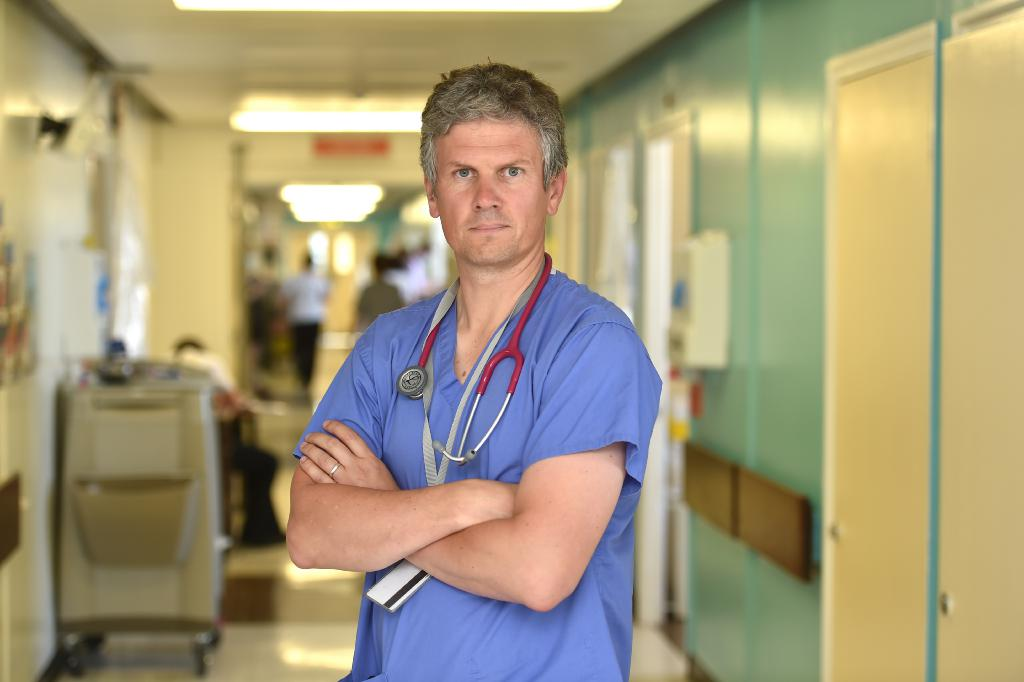
Dr Liam Healy, Cork University Hospital, says greater awareness of how a stroke occurs can help save lives
Stroke is a serious business. It is the second biggest killer in the world and is the leading cause of acquired adult disability.
About 9,000 people suffer a stroke in Ireland every year – more than the incidence of lung cancer, prostate cancer and colorectal cancer, combined.
1 in 5 people will suffer a stroke during their lifetime. A woman is twice as likely to suffer a stroke as she is to get breast cancer.
And stroke is not just a condition that affects older people - 30% of all strokes occur in people under the age of 65.
In 1983, the Oxford Textbook of Medicine stated: “There is probably little that medical treatment can do to alter the immediate prognosis of stroke.”
So much has happened in stroke medicine over the last 20 years in particular, that mean that this statement is now consigned to the history books.
It is so important that people come to the hospital immediately if they suspect a stroke, because many of the acute treatments that we can offer are time dependent. Stroke typically presents suddenly and can be recognised by the FAST acronym:
- Facial weakness affecting one side
- Arm weakness affecting one side
- Speech problems
- Time to get to hospital
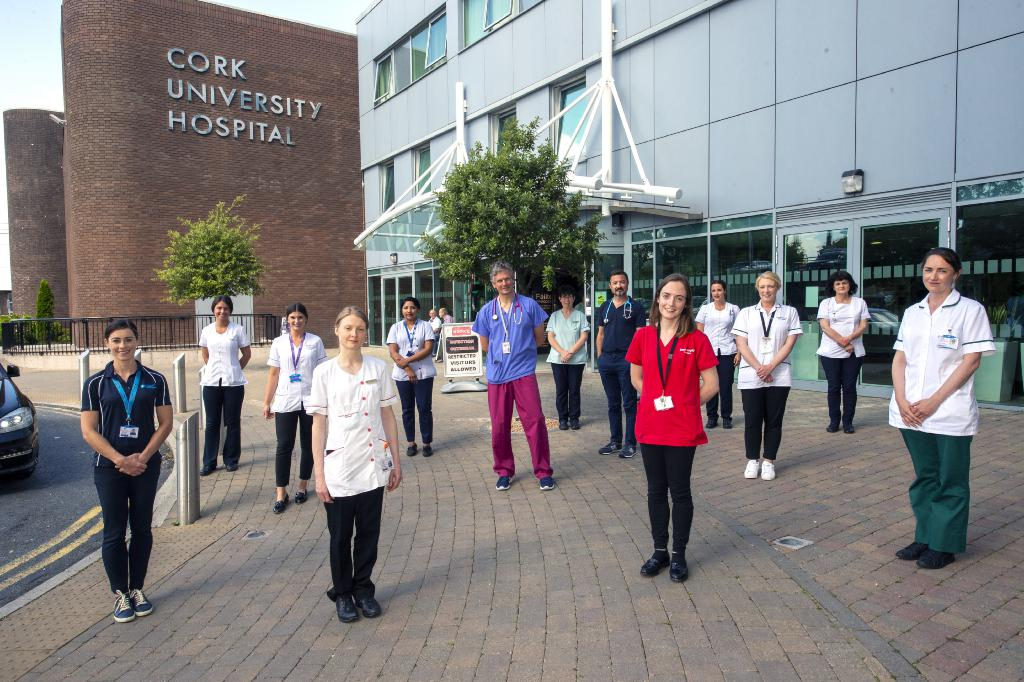
The dedicated team at the Acute Stroke Unit, Cork University Hospital.
Cork University Hospital has the busiest inpatient stroke service in Ireland. CUH's Acute Stroke Team sees more than 500 new stroke patients every year.
Dr Liam Healy, consultant stroke physician and geriatrician, and clinical lead for stroke in CUH, said: "We are one of only two hospitals in the country to offer stroke thrombectomy – the ability to remove a blood clot causing a stroke, and in some instances effectively 'cure' the stroke completely. There hasn’t been a medical procedure in the last 20 years that is as clinically effective as stroke thrombectomy.
"We are in the process of developing a new Acute Stroke Unit in CUH. A stroke unit is a dedicated place in a hospital, specially designed and equipped for the needs of patients with stroke, where they can be treated by doctors, nurses and therapists with stroke expertise. It is the cornerstone of good stroke care."
The new Acute Stroke Unit in CUH will have a dedicated monitoring area for the most acute patients and a therapy area co-located on the unit, so that people can begin their rehabilitation straight away after admission.
"Our goal in CUH is to offer stroke care comparable to any of the best hospitals in the world. We have made huge strides on this journey in recent years. We still have much work to do in terms of infrastructure and staffing to be able to deliver the highest quality stroke care that our patients deserve – care that enables people to overcome their stroke and get back to their families, back to their communities, back to themselves," said Dr Liam Healy.
Every year, more than 10,000 people in Ireland have a stroke. Stroke is the biggest cause of acquired disability and the third biggest cause of death in this country.
I heard her say...
‘Mammy’s on the floor and she can’t get up’
“Mammy’s on the floor and she can’t get up,” was the terrifying message relayed via iPad from five-year-old Priya to her father, Damien Galvin, just days before Christmas last year.
“Turn the iPad around and show me,” came Damien’s reply. Priya did his bidding, and the scene that greeted him filled him with horror.
His partner, Mary Constant, 35, was lying on the floor of their home in Tower, Cork, while their two-week-old baby boy was lying on a couch, mid-way through a nappy change.
Damien, who was at work, immediately contacted Mary’s sister Stephanie, and Stephanie’s husband Paul rang Mary’s parents, David and Geraldine, who live next door.
Priya, who had been on the couch with her leg outstretched to keep her baby brother safe, also figured out how to operate the latch on the door to let her grandparents into the house.
“I was on the floor,” says Mary. “They didn’t know what had happened, but they thought it could be a stroke.”
An ambulance was called and arrived 45 minutes later to transfer Mary to Cork University Hospital.
“I could see, but I couldn’t move or speak,” Mary says.
Up to that point, her morning had been following the usual routine. She got up around 8.15am, Damien had gone to work so she set about getting Noah his bottle. Priya was on the couch with her iPad..
“I went to get myself a cup of tea and I put Noah in the bouncer,” says Mary. “After I’d had the tea, I took him out to change him and suddenly felt dizzy. I can’t really describe it, it felt weird.
“I fell down and tried to get up about 10 times but only one side of me would move. I couldn’t talk. Priya didn’t know what was going on, so she decided to call her dad on the iPad. I could see Priya and I was crying. Then I heard her saying: ‘Mammy’s on the floor and she can’t get up.’ ”
Mary doesn’t remember anything once she arrived at CUH.
“The doctors did scans and they told my family to get anyone who was abroad home, that it was not looking good,” says Mary. “But they did the procedure [a thrombectomy] and an hour and a half afterwards, they couldn’t believe how good I was.
“When I came out of recovery, I hadn’t a clue what had happened so Dad came in and told me I’d had a stroke. I was in hospital 11 days and to be honest, it didn’t hit me until I got home.”
Mary has struggled with anxiety since, but says she is improving every day.
The reason for her stroke is unknown, but Mary had suffered from high blood pressure for the last four years and is on blood pressure medication.
She was asked in hospital if she’d had an accident or if she was weight-lifting in the gym. Neither applied in her case.
Mary was sorely disappointed to miss her first Christmas at home with Noah and the family’s first Christmas in their new home, but she’s looking forward to her wedding next year — and is hoping the pandemic will not play havoc with her plans.
“We are hoping to get married on July 9 and it’s Priya’s birthday on July 10, so we’ll have plenty to celebrate,” says Mary. “Priya is the hero and she knows it.
“And the other heroes in this are the stroke team at Cork University Hospital, especially the doctor who operated on me, Gerald Wyse. I am forever in their debt.”
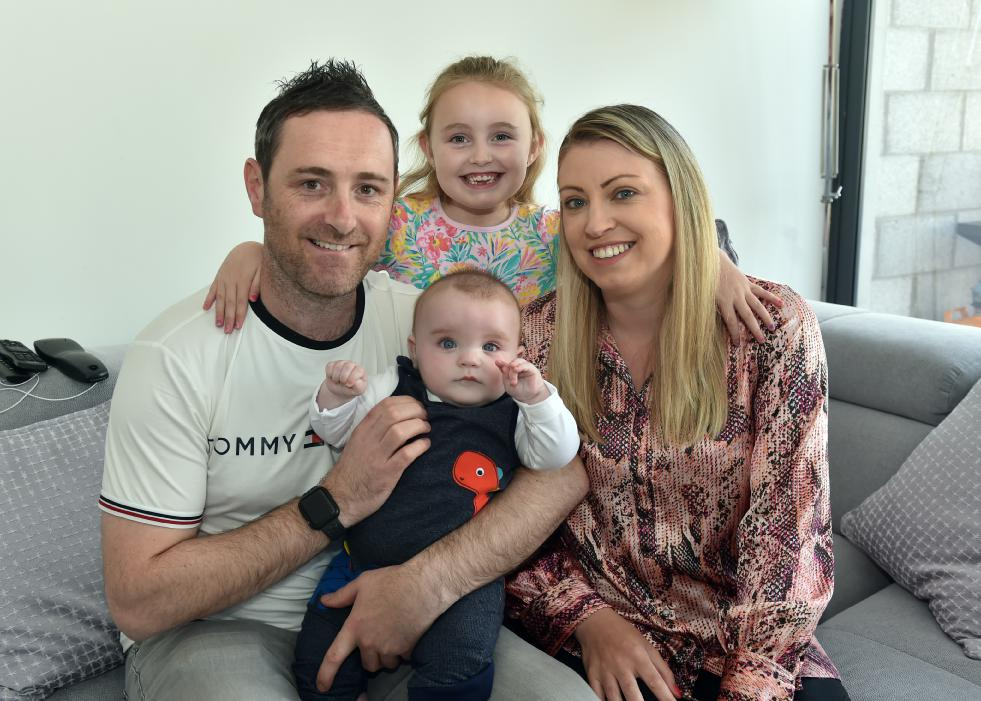
Mary Constant with partner Damien Galvin, their son Noah and daughter Priya at home in Tower, Cork.
One in five people will have a stroke at some time in their life. Most are over 65, but stroke can strike at any age. Even young people and children can be affected.
What is a stroke?
A stroke is an interruption of the blood supply to the brain. The blood vessels bringing blood to the brain can either become blocked or they can leak. Almost 9 out of 10 cases of stroke are caused by a blood vessel becoming blocked by a blood clot that may have come from either the wall of the blood vessels or from the heart.

Dr Gerald Wyse, consultant interventional neuroradiologist, CUH, who operated successfully on Mary Constant.
How do I reduce my chances of getting a stroke?
There are a number of risk factors associated with stroke, and by knowing these risk factors and minimising them, you can greatly reduce your chances of suffering a stroke. The main risk factors are:
- High Blood Pressure
Everyone’s blood pressure varies somewhat. It is best assessed by having a doctor fix a 24 hour blood pressure monitor to your arm to see if these variations are within normal limits or need to be reduced. The risk of suffering a stroke is higher if blood pressure is higher than 140/90mm of mercury. - Atrial Fibrillation
When people get older they can develop a rhythm problem with their heart called atrial fibrillation. This means that some of the chambers in the heart contract in an uncoordinated way and blood clots can form in the heart as a result. If these blood clots then get pumped out of the heart, they can travel to the brain, causing a stroke. - Smoking
People who smoke 20 cigarettes per day are six times more likely to suffer a stroke than non-smokers. The benefits to stopping smoking begin almost immediately and within about 10 years of stopping, that risk is right back at the same levels as non-smokers - Diabetes
People who have diabetes have a higher risk of stroke, but the better the diabetes is controlled, the lesser the increased risk is. - Diet and exercise
People who exercise regularly, are of normal weight and have a healthy diet have a much reduced risk of suffering a stroke. Exercise should involve 30 minutes per day, five days a week. Diet should only have alcohol, fatty foods and sugary treats in moderation - Cholesterol
Interestingly, the association between high cholesterol and stroke isn’t as well established as it is for cholesterol and heart attacks, but nonetheless, people should ideally have a total cholesterol level of less than 5mmol/L. - Medicines
Medicines such as aspirin and statin drugs are very good at preventing further strokes, if you have already had a stroke or heart attack, but there is very little evidence that healthy people should take tablets like these to further reduce their risk of stroke.
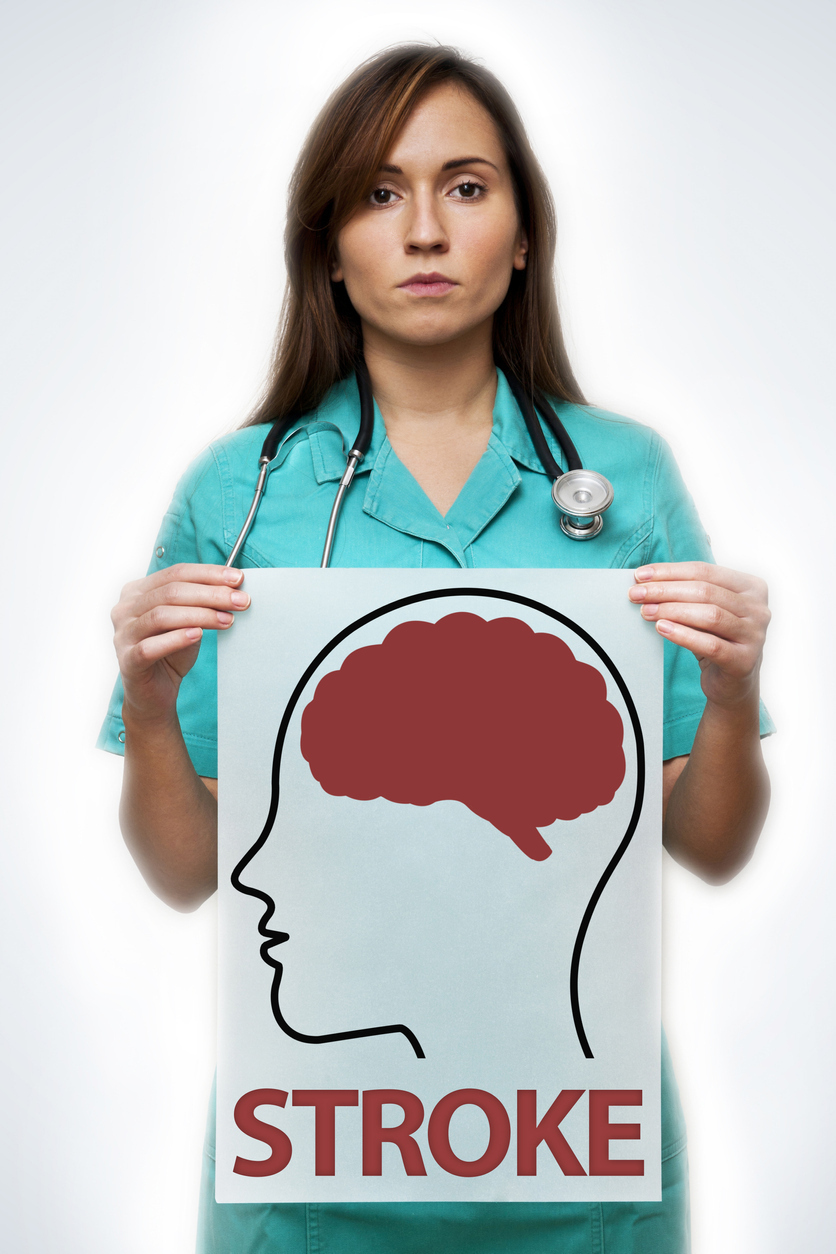
How would I know if I am suffering a stroke and what should I do?
A stroke happens suddenly, out of the blue. It can be recognised by:
- FACE: people develop a sudden weakness of one side of their face
- ARM: people develop a sudden weakness of one of their arms
- SPEECH: people develop a sudden inability to speak clearly
- TIME: to call an ambulance
If anyone is suffering any of these symptoms, you must phone an ambulance immediately. Don’t wait and see if things improve. Don’t phone a relative or friend. Don’t phone your GP. Call 999. You need to get to hospital quickly because if this is a stroke, the quicker someone gets to hospital, the more likely something can be done to reverse the effects of the stroke.
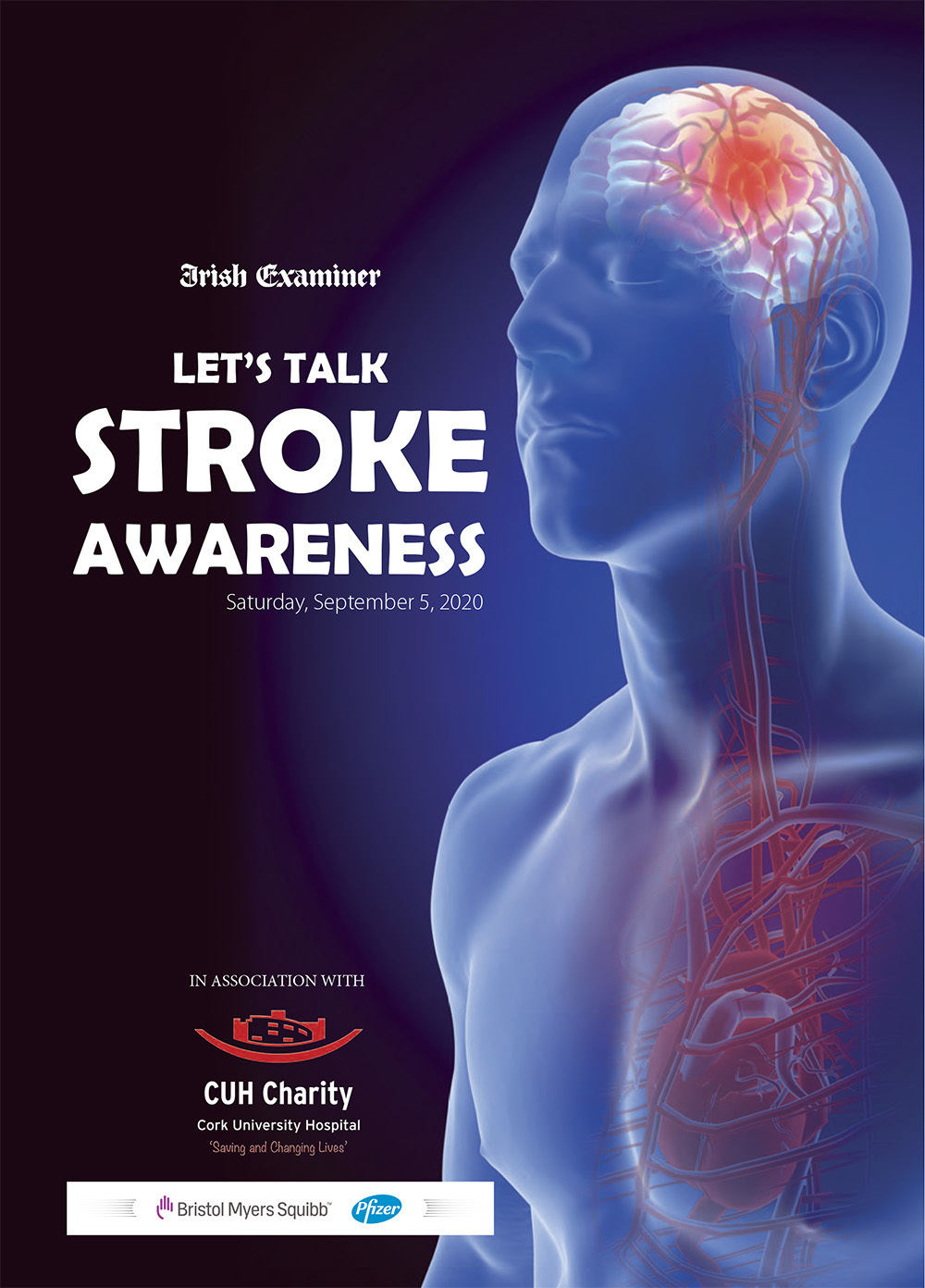
This special report on Stroke Awareness was produced by the Irish Examiner in association with Cork University Hospital, https://www.cuhcharity.ie/stroke-unit-appeal/, which is currently raising funds to support the fitting out and equipping of the new Acute Stroke Unit and the hospital, and with the support of Pfizer Ireland https://www.pfizer.ie/. The Irish Examiner, Cork University and Pfizer also partnered to produce an information booklet entitled 'Let's Talk Stroke Awareness', a core element in the current public information campaign.


Thank you for supporting CUH Charity Stroke Unit Appeal
Established in 2012, Cork University Hospital Charity is the charitable arm of the Cork University Hospital (CUH) and Cork University Maternity Hospital (CUMH).
CUH Charity works closely with the management team and healthcare experts at CUH and CUMH to identify their most pressing needs and, through the generosity of our individual and corporate donors, fundraising events and focused appeals, provide financial support for all departments.
CUH Charity established the Stroke Unit Appeal in 2019 to support the development of a new dedicated Stroke Unit at the hospital.
"Funds raised through the Appeal will go towards the fitting out and equipping of a new gym and rehab area at the Unit which will provide the best care possible to patients," said Michael Nason, CEO, CUH Charity.
"It has been wonderful to see the goodwill and generosity of individuals and businesses for the Stroke Unit Appeal. Our Ambassador, Munster and Ireland rugby legend Peter O'Mahony has been so supportive of this Appeal and the Stroke Unit.
"Our communities deserve the best healthcare facilities and patient care. Your support of the CUH Charity Stroke Unit Appeal will make an impact on so many lives and will be greatly appreciated."
For more on supporting the new Acute Stroke Unit at CUH: https://www.cuhcharity.ie/stroke-unit-appeal/. And special thanks to Pfizer Ireland for supporting this special report: https://www.pfizer.ie/.

Michael Nason, CEO, CUH Charity.
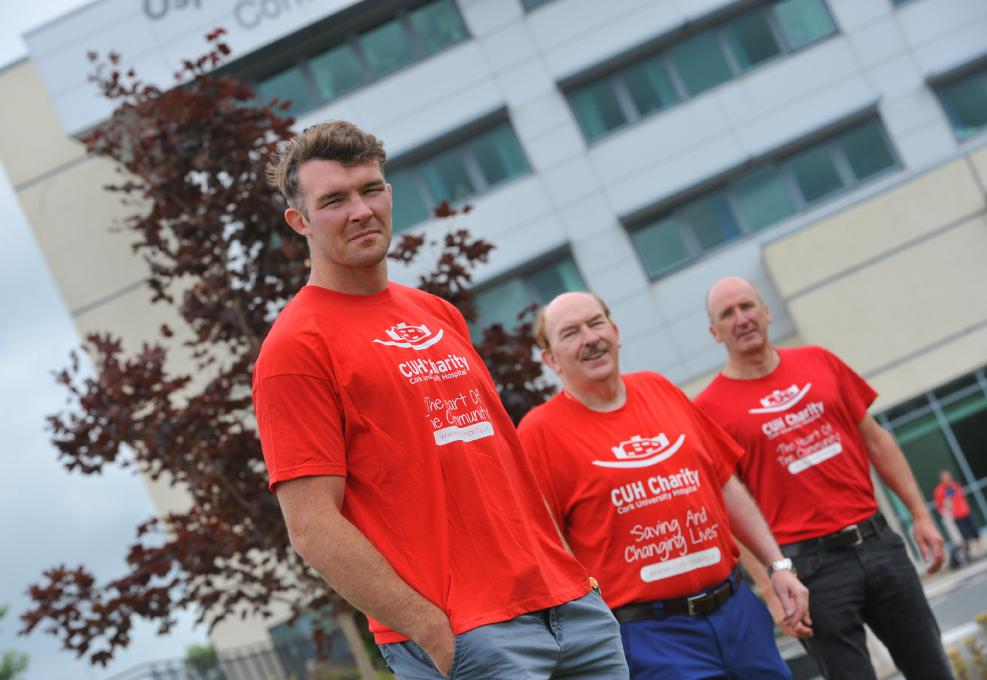
Raising funds and awareness: Peter O'Mahony, Munster and Ireland rugby player, with Gerry O'Dwyer, CEO South/South West Hospital Group, and Michael Nason, CEO of CUH Charity.