Cork could be the next major film hub — what's stopping it?  
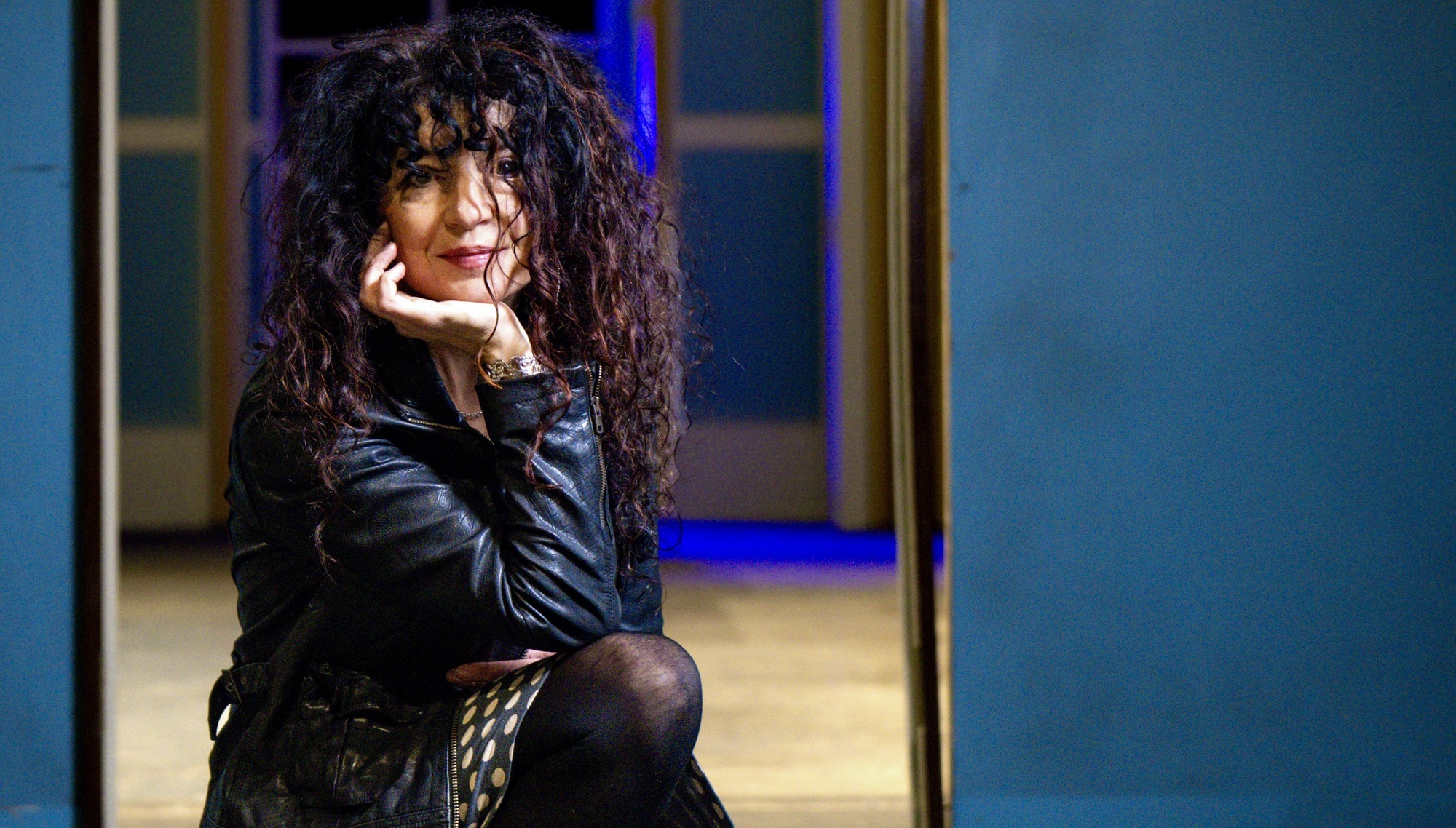
With an internationally acclaimed film festival, a growing studio scene and some of Ireland’s most spectacular locations, Cork has all the ingredients to become a major film hub.
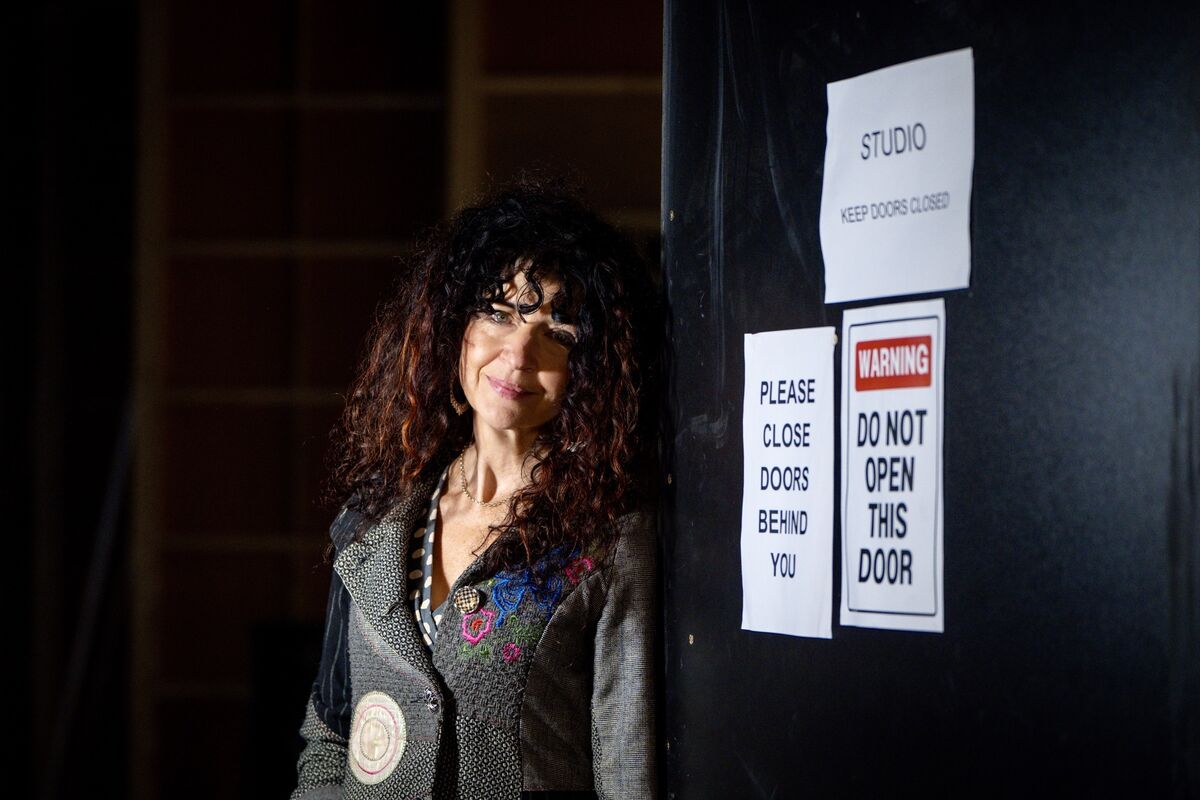
Édain O’Donnell, the founder of West Cork Studios pictured in a set constructed for the recently released movie ‘Jimmy’: Picture Chani Anderson

Édain O’Donnell, the founder of West Cork Studios pictured in a set constructed for the recently released movie ‘Jimmy’: Picture Chani Anderson

Cinema has long been part of the cultural fabric of Cork.

In 1956, the nascent Cork Film Festival — now the Cork International Film Festival (CIFF) — was selected as one of only five international festival locations by the International Federation of Film Producers’ Association, and “from day one, the city supported it” says the festival’s director, Fiona Clark.
Heading into its 71st edition, CIFF is not just about the stories on screen, it is also a “crucible of ideas and discussion” she says, and as “the oldest, the longest-running, the largest [film festival] in Ireland, as an anchor for film in Cork, it’s super important”.

Recognised internationally by film-makers “as a destination of choice”, CIFF, she says, now receives more than 5,000 film submissions annually, and is one of an elite group of festivals to have three Academy Award-qualifying awards on its programme. Audiences are up 40% on pre-pandemic figures.

“That is a really strong indicator that people want film,” Clark says. “They see Cork as a destination.”

They do indeed, but does the Government?

Uplifting the region

In advance of last month’s budget, Oscar-winning film producer and CIFF patron David Puttnam wrote a heartfelt open letter to finance minister Simon Harris, urging him to “add an 8% regional uplift” to Section 481, an existing tax break that incentivises film and TV companies to make productions in Ireland.

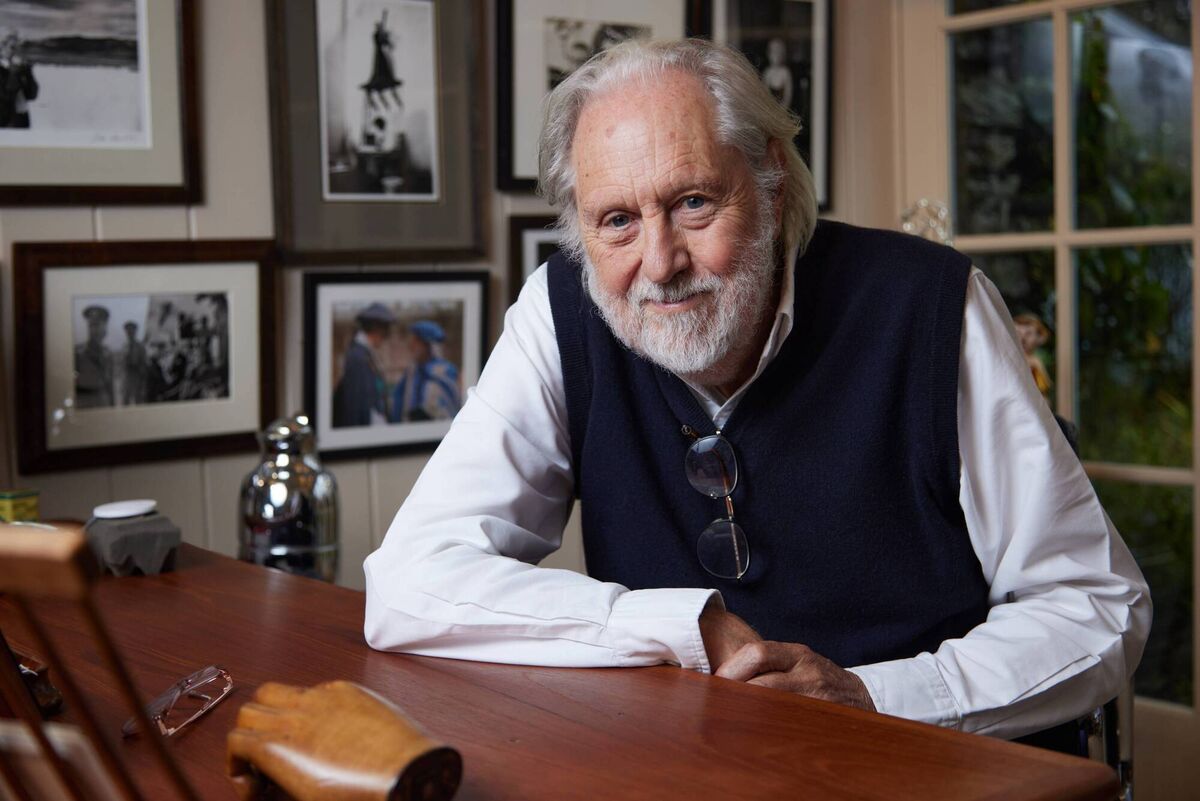
Oscar winning producer and CIFF patron David Puttnam. Picture: Miki Barlok

The Skibbereen-based film-industry veteran suggested the additional support for productions filming outside the main hubs of Dublin and Wicklow could help redress the current imbalance, pointing out that, of the €502m spent by Section 481 productions in Ireland in 2025, only €70m, or 14%, was spent outside Leinster.

A previous regional uplift expired on December 31, 2023.

Budget 2027 did not revive it.

“The minute that regional uplift was cancelled, we lost three films to the tune of around €20m,” says Édaín O’Donnell over Zoom from her hometown of Skibbereen. “That could’ve come into the community.”

In 2021, artist and set designer O’Donnell, along with carpenter and construction manager Steven Park, saw the potential for film studios based in West Cork.

“So we contacted David Puttnam and had lunch with him in Skibbereen, and he said, ‘Go for it, darling’,” she recalls.

Go for it the duo did, and on July 1, 2023, Puttnam cut the ribbon on O’Donnell and Park’s West Cork Film Studios (WCFS): A world-class film production hub on the Baltimore Road in Skibb.

“We were there the first day it opened,” recalls Aidan Quinn on a video call from the US, namechecking fellow actors Jeremy Irons, Sinéad Cusack, and Ciarán Hinds.

“It was great to be part of that, and to support Édaín. She’s a powerhouse, and no matter what happens down in that neck of the woods, she’s involved in it. Even on our film, she was painting sets and doing stuff just to help out,” he says, referencing The Body is Water, which was filmed at WCFS last summer. Quinn is crestfallen to hear the regional uplift wasn’t renewed.

“So it didn’t happen? Oh God. That’s too bad, that’s too bad.”

Budget letdown notwithstanding, O’Donnell and Park’s ambitious venture is gathering momentum, with productions shot at WCFS making waves at home and abroad. In February, at the Berlinale, Grant Gee won the Silver Bear for best director with Everybody Digs Bill Evans, one of the first films shot at WCFS — while the wonderful Jimmy, a biopic of Hollywood legend Jimmy Stewart which premieres at CIFF, looks set to make a big impact at the box office.

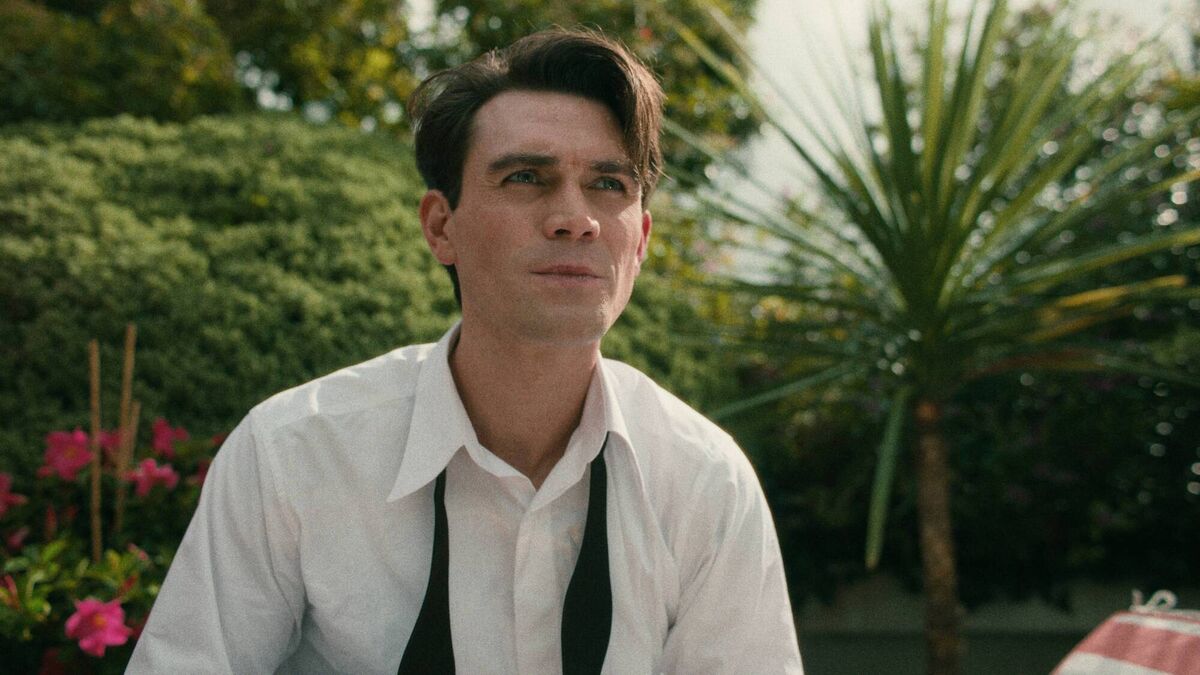
 KJ Apa as Hollywood icon Jimmy Stewart in 'Jimmy'. Picture: Burns & Co.
KJ Apa as Hollywood icon Jimmy Stewart in 'Jimmy'. Picture: Burns & Co.

Jimmy, which features a dazzling performance by KJ Apa as the eponymous movie icon, was a “sizeable production in every way”, says its co-producer John Norton. It involved the recreation of a Second World War army barracks, building a life-size B-24 bomber, and outfitting 1,300 extras in period costume.

“All of those elements we were able to do at West Cork Film Studios,” he says.

The movie also delivered a boost of around €10m to the local economy.

Along with all the film-making infrastructure WCFS brings to the table, West Cork “also has the obvious appeal of having some of the most beautiful physical locations in the country” adds Norton.

“The countryside, the beaches, and a lot of the houses and castles in West Cork are amazing.”

In Jimmy, West Cork subbed for LA, Pennsylvania, and the south of England, while in Bill Evans, it doubled for sunny Florida.

To date, the RedTed Media CEO has brought three films to WCFS: Jimmy; Vicky Waldron Wight’s The Body is Water; and Hallmark movie The Love of the Irish, the first major production to shoot there.

Hallmark, Norton explains, makes four to five films a year in Ireland.

“A lot of the locations they were looking at had been used before,” but West Cork had never featured. An added bonus was the sizeable contingent of talented crew based in the area, he says.

“The minute John brought the Hallmark in, we were like, ‘OK, we’re at the races now,” says O’Donnell.

The Hollywood writers’ strike had made the first year “tough” but WCFS “hit the ground running after the Hallmark” movie, filming productions back to back.

“And it’s just this devastating blow with the budget now,” she says.

We’ll persevere with or without them, but if they reinstate [the regional uplift], it’ll guarantee the fulfilment of the potential that we have.

Édain O’Donnell says the lack of a regional uplift for Cork filmmakers in the 2027 budget is 'devastating'. Picture: Chani Anderson

Generally, local crew have to travel to Dublin or Wicklow, where the vast majority of film production in Ireland happens, but since WCFS opened, “we have been able to bring stuff to their doorstep. They don’t have to leave home for weeks on end to just do their job,” Norton says.

That local crew base continues to grow, but productions in Cork still need to bring in Dublin- and Wicklow-based crew, which can add more than 8% to the budget in accommodation, travel, and daily allowances.

“We were looking to offset that additional cost with the uplift,” says Norton, “and we’ll continue to campaign for it.”

Co-founder and co-director of Screen Cork Benjamin Rupprecht says: “The regional uplift needs to come back to really build a sustainable industry within the county that can develop into what Dublin and Wicklow is now, where one production is coming in after the other.

The studios are continuously booked out. As crew, you know there will be work. You finish one job, you go straight to the other. That can’t come out of nowhere. That’s what we need Government support for.

Also needed is a dedicated film officer for Cork. Cork hasn’t has a funded film office since before the pandemic, and Screen Cork, which is entirely run by a committee of volunteers, has been lobbying for its reestablishment, and plugging the gap in the interim.

As Rupprecht explains, a film office is “a really important communication point” for production companies coming into the region, and would help find local crew, secure location permits, scout locations, and identify potential cast.

“As we don’t have that, we set up the committee to try and do as much of that as we can in our own time,” he says.

Rupprecht’s day job is programme coordinator at CIFF.

Screen Cork works closely with CIFF, and any other screening events in the city.

“We’re obviously very proud for everything that has been produced in the region,” he says, namechecking Jimmy, The Body Is Water, Damian McCarthy’s horror flick Hokum — which “is still doing insanely well in the streaming platforms” — and Brendan Canty’s Christy, which won an award at the prestigious Berlinale in 2025. All of these productions spread the word about Cork and showcase the amount of diverse talent in the region, he adds.

In Cork, community is key, says Rupprecht: “Everyone is pulling together to make these things work, because we know we’re in a challenging position.

“The big productions are in Dublin and Wicklow, but we don’t want to leave. We want to build a life here. Cork Film Studios being the best example. The community pulled together, and now a lot of experienced film crew is deciding to stay within the region and build something here.”

“There is huge public support in West Cork,” Norton says.

Cork has the international film festival, the studios, the locations, the crew, the talent, and the community support.

Screen Cork’s Ben Rupprecht says:

We have everything we need within the region, now it’s about getting the external support.

A note from Fiona Clark, Cork International Film Festival

Last year, we celebrated Cork’s extraordinary film heritage. This year, we turn our gaze to the future. Milestones offer a chance to reflect on why film festivals matter: They are places of discovery, connection, and shared experience. The lights dim, a story unfolds, and a roomful of strangers laugh, gasp, cry, or cheer together. In an increasingly fragmented world, there is something quietly powerful about that.

The festival extends far beyond the screen: The conversations around a film, meeting the people who made it, and discovering connections between cinema, music, art, food, and the city around us. Over 11 days, more than 200 films bring the best of Irish and international cinema to Cork, alongside a celebration of local talent and our creative community that makes our city so distinctive. Our Cork Film Trail invites audiences to explore the city through podcasts, walking tours, a film quiz, and even a pub trail.

This year, our Cinema of Foresight retrospective explores how filmmakers have anticipated the forces shaping our world. Our expanded The Bigger Picture programme brings filmmakers, artists, and experts together with audiences to debate the ideas and urgent questions of our time. Cinema doesn’t simply reflect the world we live in; it can help us imagine the world we might create.

This edition is particularly special for me, marking 10 years as festival director. Much has changed in Cork, the film industry and the world, but this city’s affection for cinema remains constant. Cork takes pride in hosting Ireland’s oldest and largest film festival. And even as streaming and AI transform how and what we watch, our audience’s appetite for the big-screen experience has grown, not diminished. Since the pandemic, our festival audience has grown by 40% — a powerful reminder of cinema’s enduring appeal.

Now we must look ahead. I believe Cork deserves a dedicated city-centre home for independent cinema: a place for film, education, exhibition, and conversation. A permanent film destination for filmmakers, film lovers and the simply curious has the potential to elevate and strengthen Cork’s standing among Europe’s leading cultural cities. Making this vision a reality will take ambition, collaboration, and support. If you share our belief in cinema’s importance to our city, we’d love you to help us make it happen.

A film can change how we see the world, introduce us to lives unlike our own, or stay with us for a lifetime. That is the power of cinema, and why its future matters. I hope you’ll join us in shaping it.

  • Fiona Clark is festival director and CEO of Cork International Film Festival

More in this section