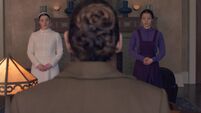
Tim Desmond: The Corkman who made gripping true-crime podcast Runaway Joe
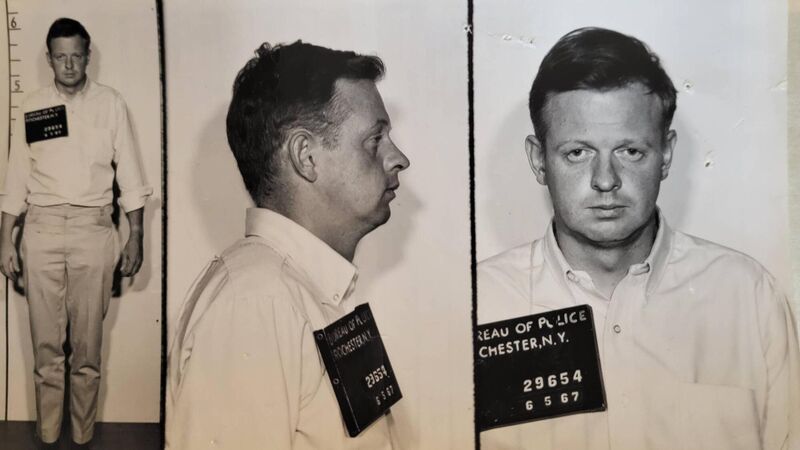
Irish fugitive Joe Maloney is the subject of the Runaway Joe podcast.
Following the acclaimed Finding Samantha, and The Nobody Zone, the RTÉ Documentary on One team’s latest podcast series is Runaway Joe. The recently-released series tells the story of Michael O’Shea, who was the subject of an extradition application from Ireland to the US in 1985.
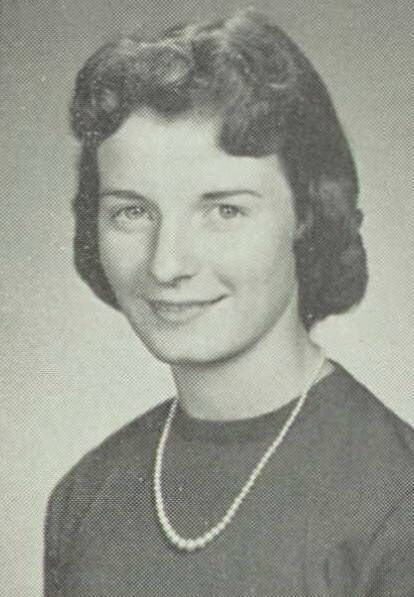
Though he had been well regarded for his 20 or so years of living in this country, he was actually a fugitive, otherwise known as Joseph Moloney, wanted in Rochester, New York, for the 1967 murder of his wife June. The title of the show acts as spoiler to the capper of the opening episode: Joe is still on the run.
Runaway Joe is written, reported, and produced by Pavel Barter and Tim Desmond, the latter of whom, says they have been careful not to sensationalise the story. “In the case of true crime, where it's just kind of salacious and speculative in lots of cases, we're trying to avoid speculation. We never say that he murdered her because he wasn't convicted of that crime,” says Desmond.
What intrigued them was that Moloney got away twice and justice was not served. It’s important to contextualise a story like this, which Desmond points out stretches back six decades. “This is a portrait of a dangerous individual who was exercising coercive control and violent behaviour towards his wife at the time, and was due to go on trial for her murder.”
The case had gone cold by the time Barter happened across it while reading a memoir by Judge Gillian Hussey, who presided over the 1985 extradition hearing, and the team believe they have gotten further than anyone else in trying to find his location - though Desmond doesn’t want to reveal too much, as the first two episodes were only released on Friday, January 19.
“This is a story that we really believe will develop once people start listening to it,” he says, listing out their criteria for the series: 'Is this a story we can bring something new to? Is this a story that can go somewhere while we're in production, while it's happening while the listeners are listening to it? And is this a story that listeners can help us with?'”
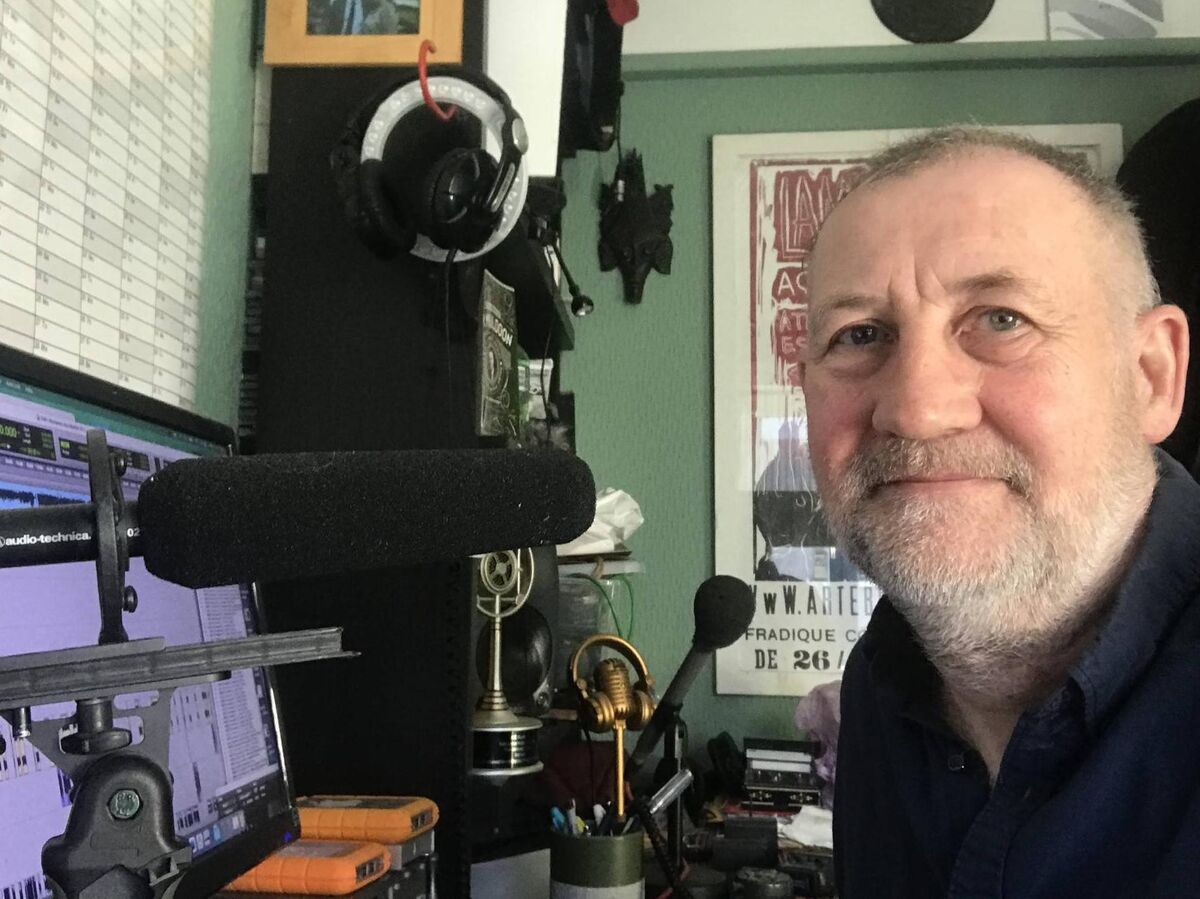
Desmond grew up near the Lough in Cork in the 1970s. A music fan, he recalls seeing Rory Gallagher at City Hall around 1973. He was a DJ on pirate radio - Capital and Radio City 199 - and attended the revered Arcadia venue, which included playing at roller discos, all while he was just 14 or 15. From U2 to the Specials, he saw some incredible gigs at the now-demolished venue near Kent Station.
“You had thousands of people in this ballroom and you had - what we didn't realise at the time - the best music you could be listening to,” he recalls.
Desmond got an occasional afternoon slot on RTÉ Cork Local radio, filling in for Stevie Bolger and Alf McCarthy, but like so many of his peers in those economically-flat times, headed to London in the mid-1980s.
On returning, he went to UCC, did a social science degree, and there followed a few decades in the business world. But he couldn’t shake the media itch and eventually found himself working on the John Creedon Show and Liveline.
He remembers the first episode he made for Documentaries on One, Rebel City Reverts, about the Muslim Community in Cork in 2009, and fondly recalls a package for radio about the delivery of more than Steinway pianos for the relocating Cork School of Music, and the person tasked with tuning them.
“One of the difficulties with podcasting is if it's not a story that has a lot of sound, then it becomes a bit more like an audiobook," says Desmond.
But I think that nowadays, the listeners have become way more sophisticated. So they don't always need beautiful soundscapes, it comes back to the story.”
He adds: “We've become so used to Scandi noir and Netflix; the amount of long-form storytelling that's around now, I think it's changed a lot. I think there was a time when particularly radio people felt that it had to be a kind of a sound story that they were telling over a longer form. But now, it's more an opportunity to really dive deep into a story. Like the one we're doing at the moment, Runaway Joe.”
- The opening episodes of Runaway Joe, from RTÉ Documentary on One, are available now.