The best band in the world? Fontaines DC on their new album, and moving to London
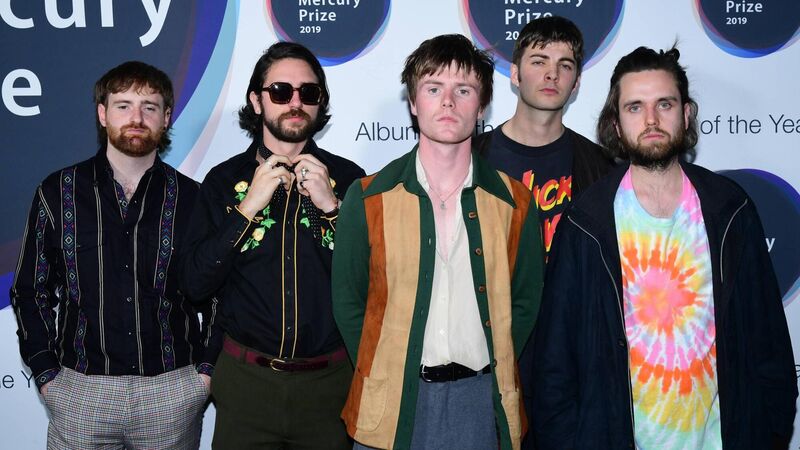
Fontaines DC.
Fontaines DC guitarist Carlos O’Connell is comparing his band’s approach to making music to the art of sushi. He has just watched a documentary about 96-year-old Japanese chef Jiro Ono, considered by many as one of the greatest living sushi craftsmen.
“He says to make good food you have to eat good food. You have to develop a taste better than the taste of the customer. Because if not, how are you going to impress them?
“That’s true too for any sort of creation. To make something you have to really develop your taste first. That’s what you see in the album, that our taste has developed over the years and will continue to do so. That’s the only thing you can continue to work on and maintain.”
O’Connell and fellow guitarist, Conor Curley, are speaking to me the morning before the NME Awards in London, where they will be named Best Band In The World, and a month before the release of their third album, titled Skinty Fia (an old Irish swear meaning “the damnation of the deer”).
“We have learned more music, we have heard more music,” reflects O’Connell, who is curled up on his sofa wearing a high-necked fleece jumper. “That’s the one thing that has to constantly develop throughout your life.
“If you listen to the same music you listened to five years ago, you’re not going to bring anything new to the conversation. It is in stacking up influences and developing your tastes that you are going to make something good.”
The Irish post-punks’ early output was inspired by their home city of Dublin – the DC in their name literally refers to Dublin City. But the band now find themselves living in London, and their experience of otherness and alienation amongst the hubbub of the city has seeped into the music.
“When we all moved here we stuck to each other and we found that there were a lot of other people from Dublin who had moved to London for the same reasons,” says O’Connell.
“We all stuck together and there was a very strong sense of bond and identity created by looking over the sea to the island that we had left, and looking at it from the place that tried to make that island less of what it is. We have learned to cherish certain parts of it more and the Irish language was one of those things.”
Curley believes this move was necessary for the band’s musical development.
“Once you transition into doing the band full time, being able to look at Ireland from a different perspective was quite necessary.” Despite missing Dublin and its proximity to the sea, O’Connell suggests the band would have struggled if they had stayed at home.
“I really think it makes sense that we are here,” he explains. “In an ideal world it wouldn’t have to be like that, but the truth is we couldn’t be doing half the stuff we are doing if we weren’t here. It is a bit sad but I think the country right now, the way it’s run, doesn’t have its priorities in culture. So it makes more sense to be here because even if the country is not being run to prioritise culture, there are a lot of people are making sure there’s a big pocket for culture.”
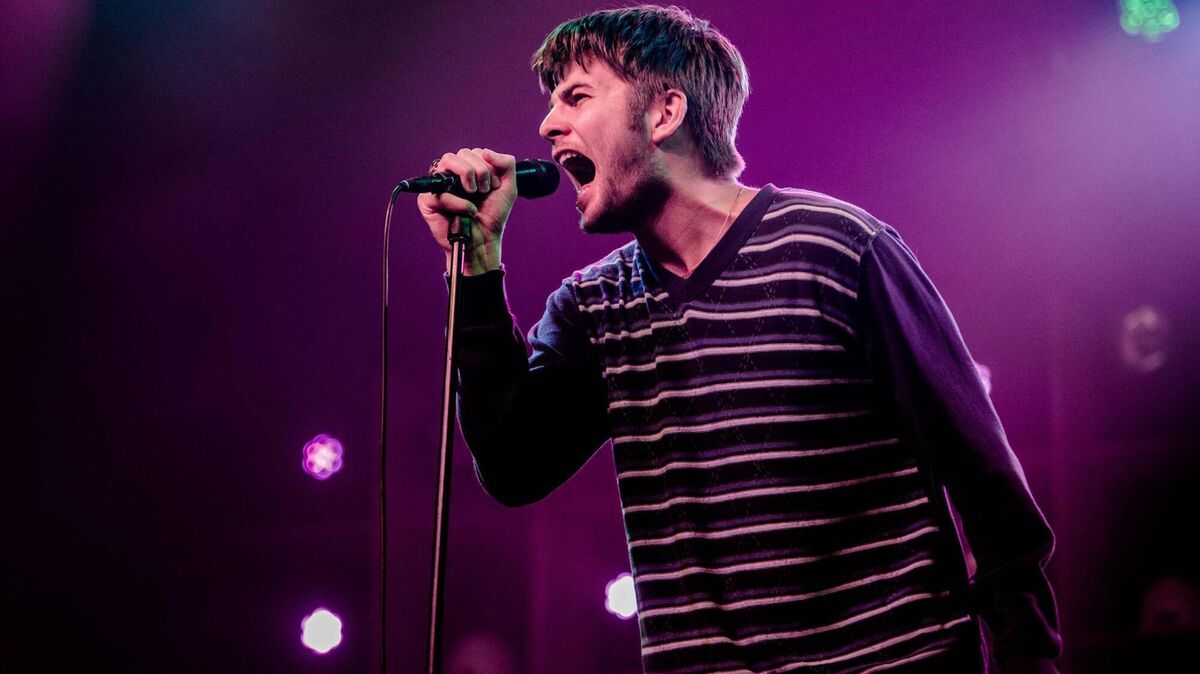
Musically, Skinty Fia is their most freewheeling album yet. Its first single, Jackie Down The Line, was a moody blast of jangling guitars, grunge-y drums and frontman Grian Chatten’s malevolent vocals.
Then came I Love You, a warped love letter drawing on The Cure and written from the perspective of a conflicted Irishman abroad. Chatten described it as his first overtly political song.
“It’s natural development,” suggests O’Connell. “We tried to stay away from the things we’ve done already. But we also tried to maintain our essence at the forefront. “That’s just the way you develop your craft. Even if you know you have nailed something, you’re always going to want to make it better.”
Curley sees it slightly differently. “Even when you’re trying to do something new you lean on pillars of stuff that has worked in the past, sometimes just to help the idea come to fruition,” he says.
“That’s a part of the songwriting process that we’ve developed, we have stacked up these things that have worked for us. They’re always going to kind of keep keep feeding into them while you’re trying to explore something new.”
“It’s the kind of album that definitely works its way into your consciousness very slowly,” adds O’Connell. “It creeps in. All its songs work better on a second listen – a second, third and fourth listen. They definitely unfold.”
This is the first time the band have given an album an Irish title. “We have always spent time looking at the Irish identity,” reflects O’Connell. “But this time we looked at it from afar, from a different country, from England specifically, from London. We looked at the Irish identity from the territory that tried to, in a way, make that identity disappear historically. And the first thing that they tried to make disappear was the language.”
Things have changed since the release of their debut album, Dogrel, in 2019. There have been Brit and Grammy nominations and the band are now being recognised in public. The song Big Shot is about O’Connell’s struggles with this newfound fame.
“That song,” he reflects. “I was just trying to point out all the things that didn’t really hold any weight or value in my life. Things that you would expect to have weight and value, then once you get to them, you actually find that they’re worth so little. Since then, I have found happiness elsewhere. I have found happiness in cooking a meal – or watching a documentary about sushi.”
- Skinty Fia will be released on Partisan on April 22