Jo Browning Wroe: From growing up in a crematorium to writing about an embalmer at Aberfan
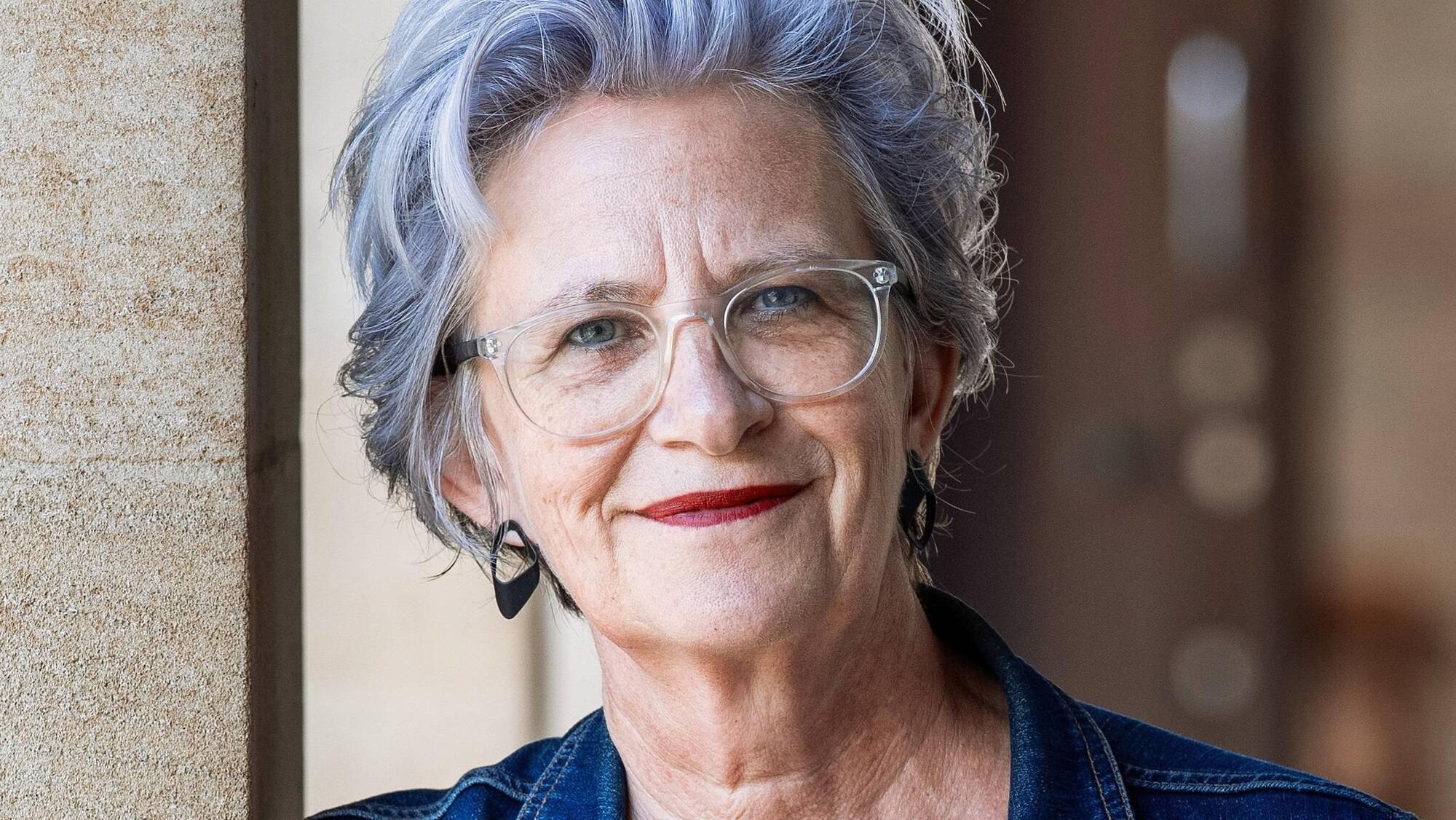
Jo Browning Wroe, author of 'A Terrible Kindness'. Picture: Martin Bond
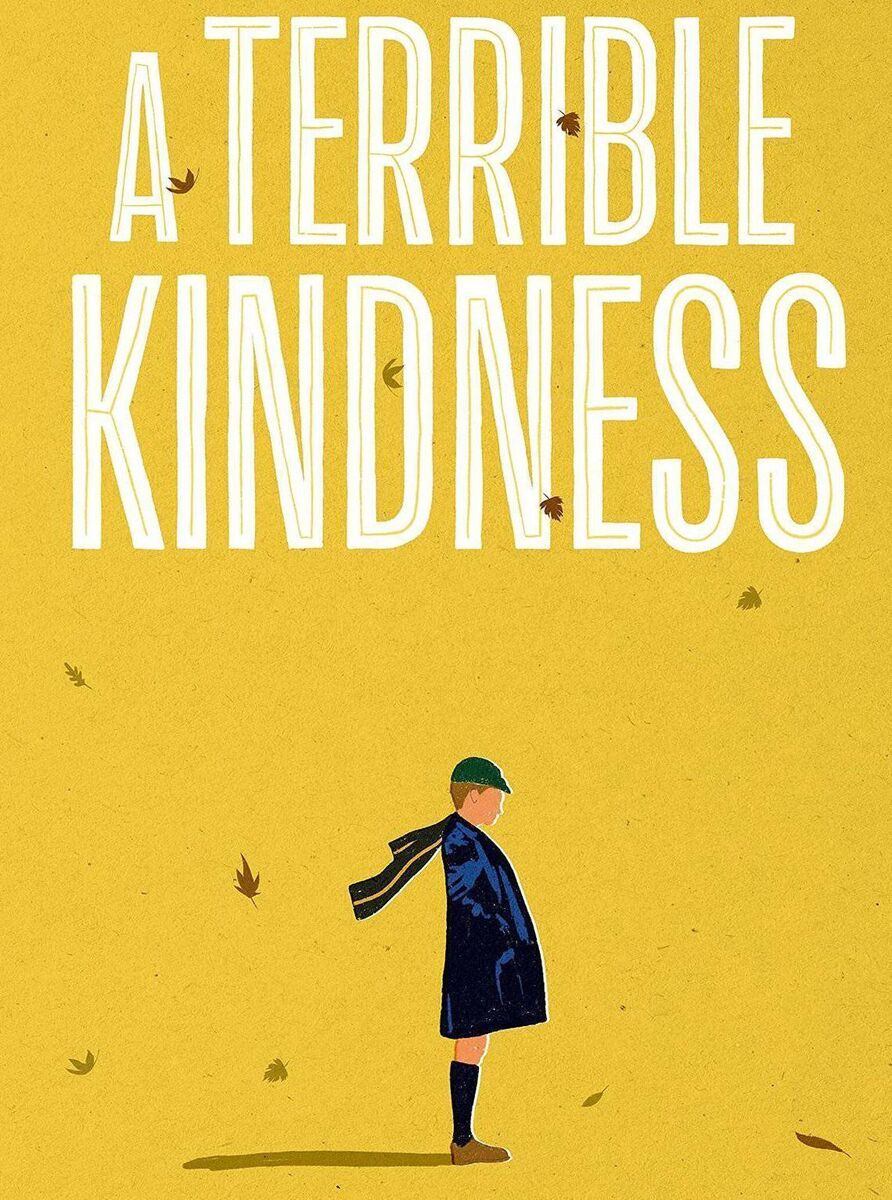
It has been a long and winding road to publication for debut novelist Jo Browning Wroe but she wouldn’t have it any other way. The English writer’s first book, , about an embalmer who volunteers his services in the wake of the Aberfan mine disaster in Wales and the impact it has on his life, has been embraced by readers, hitting the top 10 bestseller list in its first week.
“It’s fantastic. I can’t quite process it, to be honest. Not in my wildest dreams did I imagine this,” says Browning Wroe.
The 58-year-old author worked for many years as an editor, before undertaking the prestigious MA in creative writing at the University of East Anglia.
“Since then, I have been writing educational books and learning how to write novels, really,” she says. “I was also teaching creative writing and I was helping with the literary festival in Cambridge. That experience was really good because I got to grips with the hugeness of the task of writing a novel. Along the way, like most novelists, there were lots of rejections and ‘really good but not good enoughs’. Eventually, I was good enough, which was great.”
In , newly qualified embalmer William is at a dinner dance when news emerges of a landslide at a coal mine which has engulfed a school in Aberfan, and he rushes to the village to help. The inspiration for the book came when Browning Wroe was doing research for a different project.
“I saw this article titled 'The Embalmers of Great Britain'. To be honest, I was almost amused, I thought ‘what could that be about?’ Within minutes, I was in floods of tears because it was an account of one of the embalmers who went to Aberfan. I was absolutely gobsmacked by the job they did and how unknown it was. Understandably, it had to be, it wouldn’t have been right for it to be talked about at the time,” she says.
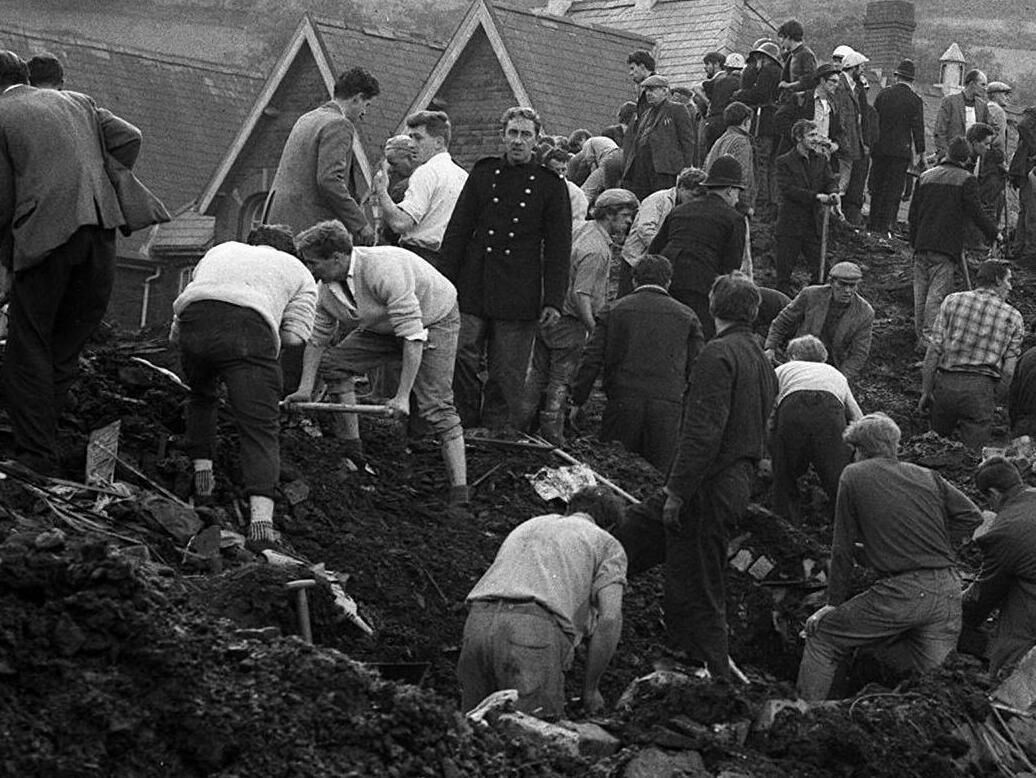
The 1966 disaster claimed the lives of 116 children and 28 adults, a trauma that reverberated down the generations. Browning Wroe says she was very conscious of achieving the right tone in the book, given the subject matter.
“It was never about me wanting to try and imagine what it was like to be in Aberfan. It was about the idea of your job involving heroic acts of kindness and what that leaves you with,” she says. “Most of us spend our whole time ignoring the inevitability of our death but certain people, like embalmers, have to face it again and again. There is a price to pay, there is a lot of mental health issues and depression amongst this professional community.”
Death was also once a part of everyday life for Browning Wroe herself — her father was superintendent of a Birmingham city council crematorium and her family lived in a house on the grounds. She and her sister would often strap on their skates and take a spin in the cavernous crematorium. It was a solitary childhood which she says shaped the person and writer she became.
“It’s so funny to me now, that I thought for so long I had had the most boring childhood in the world because I didn’t have friends and we didn’t have lots of visitors. Of course, now, I can see what an extraordinary upbringing it was.”
Browning Wroe says she also wanted to bring attention to the unsung work of undertakers.
“Death, in a way, put food on our table, it gave me a home. It was natural for me to feel comfortable doing the research for the book, it did help me getting into this story but I don’t think anything prepares us for losing somebody. I was very aware of it when my dad died, my sister and I sat there, we were on the other side of it.
"The undertakers are saying ‘you matter and the person who died matters and we are going to make this as easy as we can for you’. You are eternally grateful to people who show you kindness in those moments. I did want to pay tribute to that.”
For now, Browning Wroe is relishing her time in the spotlight as a debut author.
“In some ways, I could wish it had all happened sooner but in most ways, I don’t, because I enjoyed getting here. I’m at a time in my life now where I haven’t got responsibilities with my children. I am shooting all over the place to bookshops and loving it. I am also a bit more mature — and it is a bit of a wild ride dealing with the not-so-nice feedback and that sort of thing."
Her advice for emerging writers is to just keep at it.
“What I have been so heartened by is how people have been hugely encouraged to see me finally get there, it gives them a lot of hope, which is a great thing. There is no guarantee that you will be published — that is the hard thing — but you definitely won’t be published if you don’t try. If you like to write, just do it, just throw yourself into it.”
- A Terrible Kindness, by Jo Browning Wroe, published by Faber & Faber, is out now