Joe McNamee: After an exceedingly carnivorous Christmas, I found myself doing Veganuary
In all my years in professional kitchens, I was never more than a solid line cook working mostly with meat and fish until my final professional gig, as head chef in a vegetarian restaurant.

Though I stockpiled wine in quantities sufficient to make a small vineyard blush, I endured an alarmingly abstemious Christmas holiday, so my usual Dry January hasn’t been any great shock to the system. If anything, it was a logical conclusion to a tapering off that began during Christmas itself.
On the other hand, I did not consciously set out to do Veganuary, but, for all intents and purposes, my diet over the last while is presenting as something of a close cousin. I have eaten meat and fish, albeit on a mere handful of occasions and almost entirely for professional purposes, but, for the most part, I have been vegetarian or even vegan.
After an exceedingly carnivorous Christmas that left me feeling like a bear on the cusp of hibernation, I found myself craving the non-meat option, particularly fresh vegetables and when it comes to veg, I try to prioritise, fresh, local and seasonal.
The range of fresh Irish produce available in January is extremely limited but I was fine with that, more than up for a deep dive into the world of root veg, determined to truly mine the potential of the winter ‘peasant’ vegetables, parsnips, turnips, carrots, and most of all, cabbage.
In all my years in professional kitchens, I was never more than a solid line cook working mostly with meat and fish until my final professional gig, as head chef in a vegetarian restaurant.
That was when, for the first time, I found myself challenged to think outside the box, forced to innovate and to become a truly creative cook. While technique, acquired knowledge and repeated practice are important, cooking meat is relatively straightforward. As long as you ‘follow the instructions’ correctly, the final outcome is as much about the quality of the meat being used.
The quality of the produce of course also applies to the cooking of vegetables but turning vegetables into compellingly delicious, nutritious and, crucially, original whole meals, and not just the two-veg afterthought to a plateful of meat, requires imagination and inspiration.
Cabbage is a year-round favourite of mine. White and red cabbage for fermenting into krauts or sliced thinly for salads and coleslaw. Winter’s green, sliced, steamed and served with melting butter, with a teaspoon of wholegrain mustard stirred through, is a dish I eat on its own. And then there is the king of cabbages — Savoy.
The crinkly, dark, green Savoy is the most flavoursome of all cabbages, delicious, raw, cooked or fermented, but in many ‘peasant cuisines’, in Europe and the Middle East, it becomes a whole meal when stuffed; whole leaves used to wrap up a filling, usually including meat (pork or beef), the parcels then braised.
French choux farcis are stuffed with minced sausage, lardons, milk-soaked bread, seasoned with nutmeg and sage and bound with an egg.
In Poland, golabki are stuffed with minced pork and beef, rice, and onions, baked in a tomato-based sauce and served at Christmas. Ukrainian holobutsi and Romanian sarmale have a similar filling but are served with sour cream — and polenta in Romania.
Hungarian Töltött Káposzta ups the cabbage ante by adding sauerkraut along with uncooked rice and paprika to the ground meat, the parcels then layered with more sauerkraut and slow-baked.
In Germany, kohlrouladen feature minced meat with soaked bread for a fluffier texture and are served with gravy and spuds. In China, pork is supplemented with glass noodles.
In the Middle East, where they are thought to originate, Lebanese mahshi malfouf contain ground beef, rice and tomatoes, and are simmered in a tangy tomato broth with whole cloves of garlic, while Iranian dolmeh shimmer with tart/sour notes of pomegranate and lemon.
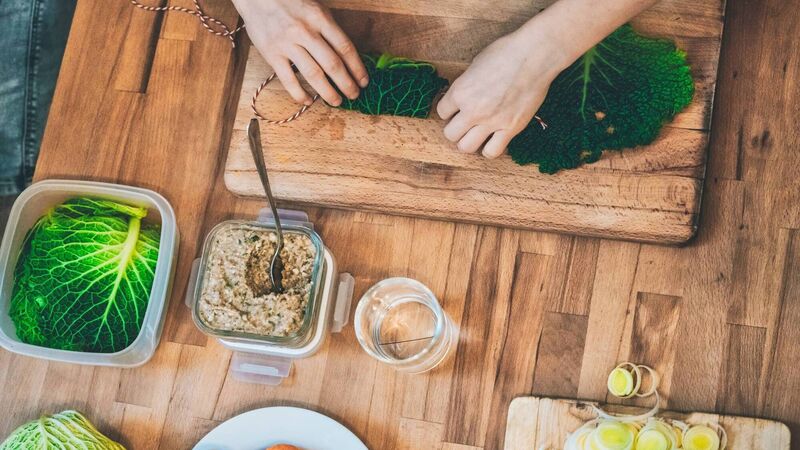
I decided to create my own Irish version: roasted sweet chestnuts, foraged in autumn, a duxelle of sage-heavy mushrooms, chopped roasted hazelnuts, milk-soaked breadcrumbs, bulked out with cooked barley, soaking up flavour and adding more texture.
Rolling the filling in Savoy leaves, I braised them in vegetable/kombu stock, serving them with decadently rich chilli and tomato sauce, a tub of sour cream whipped in at the end. I haven’t yet decided what to call them but I do know that, come February, I’ll be enjoying them once more, this time with a nice glass of wine.
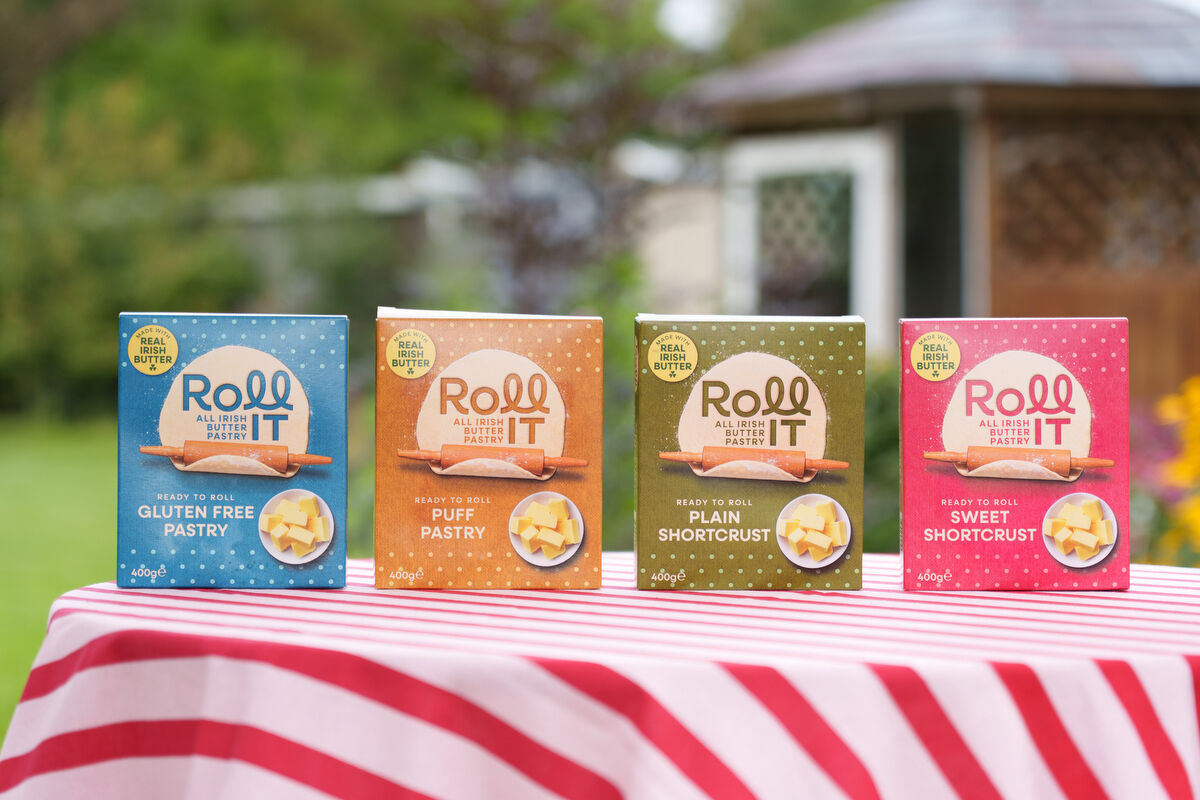
Nothing compares to puff pastry made from scratch but it is a protracted and tedious process and so most recipes allow the use of shop-bought pastry. It is rarely the same; Mairead Finnegan’s Roll It Puff Pastry comes closer than most.
Made with 40% real Irish butter, it is light, layered and flaky, with a rich, buttery taste. And with none of the myriad additives of the industrially-produced stuff, there is no claggy mouthfeel and it is sufficiently ‘neutral’ to work marvelously with either sweet or savoury fillings. What’s more, the range also includes shortcrust, sweet shortcrust and gluten-free.
- Visit here.
Mark Ahern and Bryan ‘Sunshine Primo’ Rudd’s Tiger Balm Club are back with their fire-led sharing menu of Thai and Vietnamese dishes, this time at the Ballincollig Winter Music Festival (Jan 31/Feb 1), taking over The Hare’s Corner at The White Horse.
- Visit here.
It pleases me greatly to see the annual celebrations of St Brigid/Brigit/Brigid gradually expand to acknowledge the flesh and blood human as much as the religious icon. Better again, more and more people are acknowledging that February 1 also marks the beginning of Imbolc, the pre-Christian Celtic spring, and conflating the two occasions.
Imbolc Fair: Brigit’s Table, is part of Brigit 2026: Dublin City Celebrating Women and sees Santina Kennedy and Ali Dunworth delving into Brigit’s food and drink connections and associations with hourly tastings and talks, as part of the Imbolc Fair at Dublin’s Meeting House Square.
Visit here.