Joe McNamee: The traditional restaurant model is irreparably broken
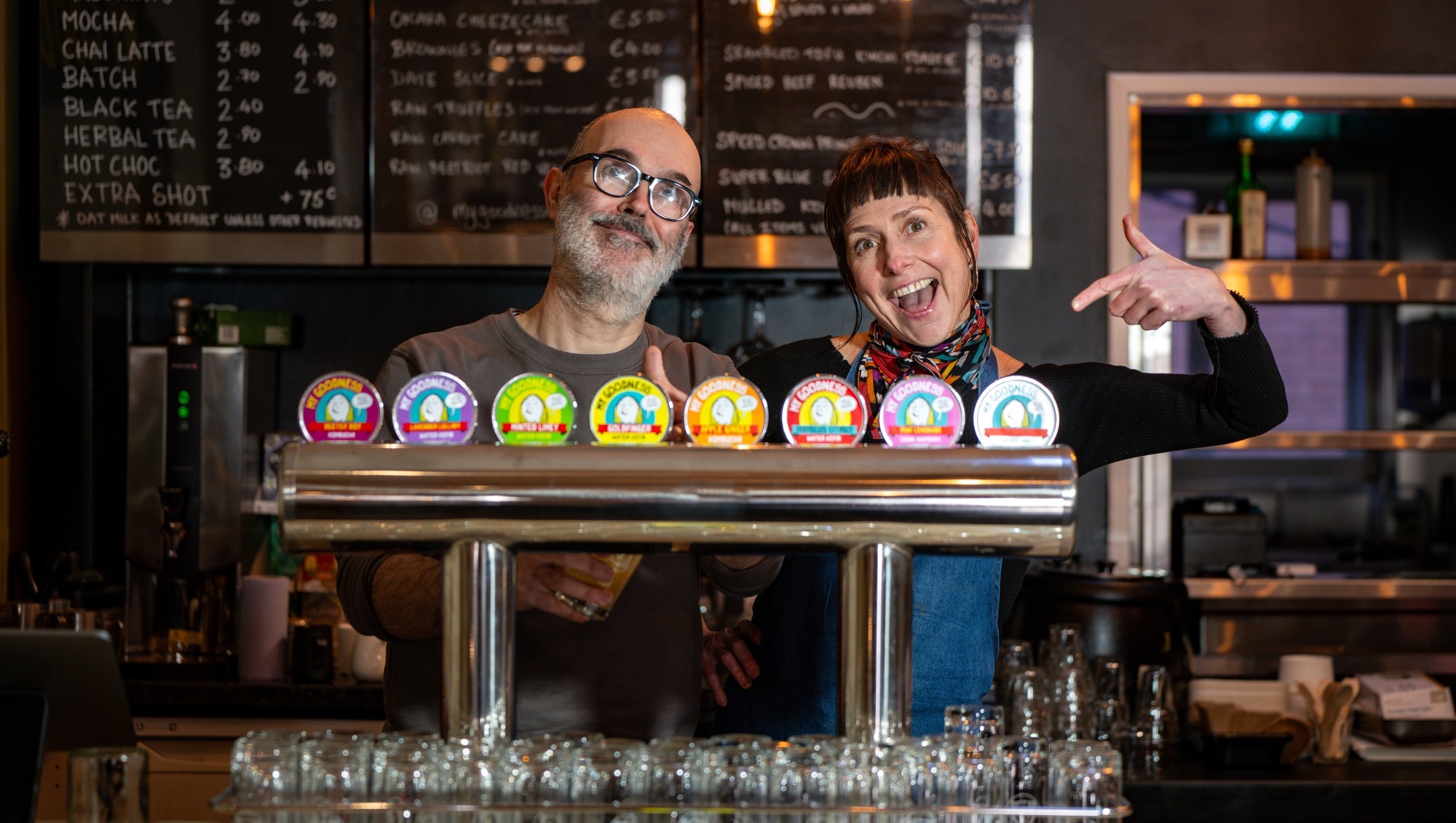
Donal O’Gara and Virginia O’Gara of My Goodness smile behind the counter of the Quay Co-Op restaurant in Cork city, Picture: Chani Anderson

Earlier this year, restaurateur Dylan Alverson decided to stop charging for food at his Minneapolis cafe, Modern Times.
He called it an “absurd business move”, born in the chaos of the ICE raids, amidst tear gas and flash grenades on the same snowbound street where Alex Pretti was shot dead by ICE agents. In the days after the shooting he declared his 15-year-old cafe, a local institution, would be “free and donation-based … for the remainder of the government occupation”, as a way to avoid paying sales tax to a government “actively inflicting daily harm on its citizens”. It was to be re-christened Post-Modern Times.
Remarkably, as reported in The New York Times (NYT), Post-Modern Times is now more successful even though 40-50% of customers eat free at the ‘pay-what-you-want’ restaurant. ‘Pay-what-you-want’ is not an original concept but Alverson’s approach is: feeding those who cannot afford; putting ethics on a par with enterprise and economics, a near cardinal sin in hyper-capitalist US. Despite reducing the menu to cope with increased demand, he still uses premium quality fresh, local produce, cooked to order.
Of course, there have been challenges. “We have a lot of customers that are very used to being discriminated against,” Alverson told the NYT. “It’s a lot of big, deep human emotions.”
Alverson, however, chooses to treat all his customers equally, diplomatically navigating turbulence, an inclusionary perspective that rubs off on paying customers, one saying: “These are not people we need to be afraid of — they are our neighbours.”
Prior to the pandemic, the restaurant had been profitable — it turned over $1.3m in 2025, posting a loss of $18,500 — though never exceeding a 10% profit margin. In addition, Alverson (chef, manager, general handyman) pays himself just $23,000 a year. He is still navigating this new path, seeking to define a blueprint for others to follow. One lesson already learned is the traditional model is failing badly: “What I am calling a fascist economy is not a place where independent businesses can get by …. we’re looking at a catastrophic failure of the [US] restaurant industry.”
Last year, 42% of US restaurants surveyed said they were unprofitable, one in four at risk of closing. It is not just a US problem. In Ireland, the average annual profit margin of a successful restaurant is 4%; many are barely breaking even, 10% profit, the stuff of dreams. Only the fast food model (lower costs; higher turnover) can hit 14% but that too has declined thanks to Deliveroo et al.
Speaking at an exclusive Dublin hospitality symposium last year, chef Ross Lewis admitted most independent mid-range restaurants, including some Michelin one-stars, were struggling, “their dinner being eaten by [lower cost] casual dining at one end and high-end fine dining at the other”. Pressed for solutions, the other high-profile panel members waffled; that the highly informed Lewis’ chose silence spoke volumes more.
It is no coincidence that Texas-born Virginia O’Gara, the driving force behind Cork-based My Goodness vegan food company, shares a similar anarcho-punk US upbringing and political sensibility with Alverson; Cork’s My Goodness Cafe shares much with Post-Modern Times. Though not donation-based, My Goodness aims to offer tasty, nutritious food made from premium local produce at an affordable price, while ensuring a just income for their producers and staff. (Staff start on a ‘living wage’, above minimum wage.) Profit goes back into the business. My Goodness also donate their space out of trading hours to not-for-profit alternative groups and social justice campaigners.
So, is this a solution for the economic woes of Irish hospitality? Well, can you picture a homeless person dining any time soon in your local cafe let alone a Michelin-starred restaurant? No, me neither. We live in a country where all economic enterprise is evaluated, even at state level, solely on the basis of profit, irrespective of negative environmental, social and societal impacts.
Yet the traditional restaurant model is broken, perhaps irreparably. Post-Modern Times and My Goodness offer a nuanced and infinitely more holistic model that demonstrates a business can be both viable and also give so much back — a very good starting point. In the words of Alverson, both are “[stopping] monetising humanity, one meal at a time.”
Small but perfectly formed Orso restaurant, in Cork, features a key local producer (including Mulcahy’s Chicken Inn and Ballycotton Seafood) each week on their Wednesday summer menus. A special two-courser is available alongside the a la carte offering, delivered in signature Orso style.
As with all Market Lane Group restaurants, Churchfield Community Gardens supply much of the fresh produce across the entire menu.
I first encountered Eoghan O’Flynn as sous chef under Alex Petit at Lissard House, in West Cork, and, several years later, they are reunited, O’Flynn now executive head chef at The Metropole Hotel and Petit, now executive head chef of the Trigon Hotels group, including the aforementioned Metropole.
Their passion for local seasonal produce is undimmed and at the heart of O’Flynn’s new small plates and spritz menu, served daily (6pm-9pm) in The Metropole lobby.
It includes chipotle barbecue pork belly, and Glenmar seafood croquette, while the sweet of tooth can savour Met signature summer trifle, passion fruit and bergamot custard tart, and lemon and elderflower creme brulée. Live pianist at weekends.
As my kids note, Italy is the only place they have encountered boiled sweets at the breakfast buffet and where a magnificent seven-courser finishes with a cheap, industrially produced off-the-shelf ice lolly.
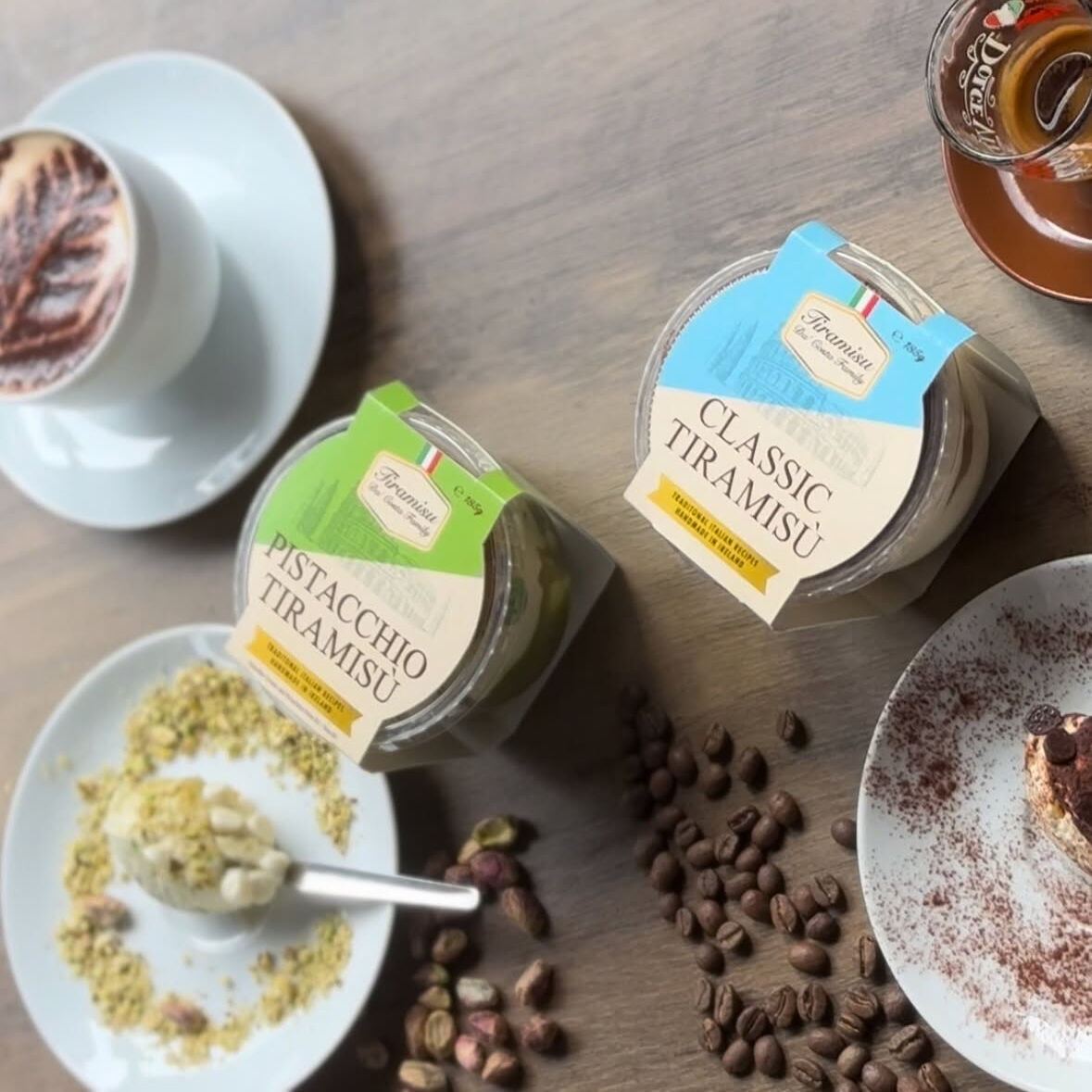
Da’ Costa Family Classic Tiramisu (€5.50) is also off the shelf but there is nothing cheap about it, all handmade with premium fresh ingredients. I was quite bowled over, as good as any ready-made dessert and a great quick pick-me-up. Special shout-out to the pistachio (€6) version, toothsome nuts adding texture.