Joe McNamee: I’m finding a lot of reasons to make celery sexy again
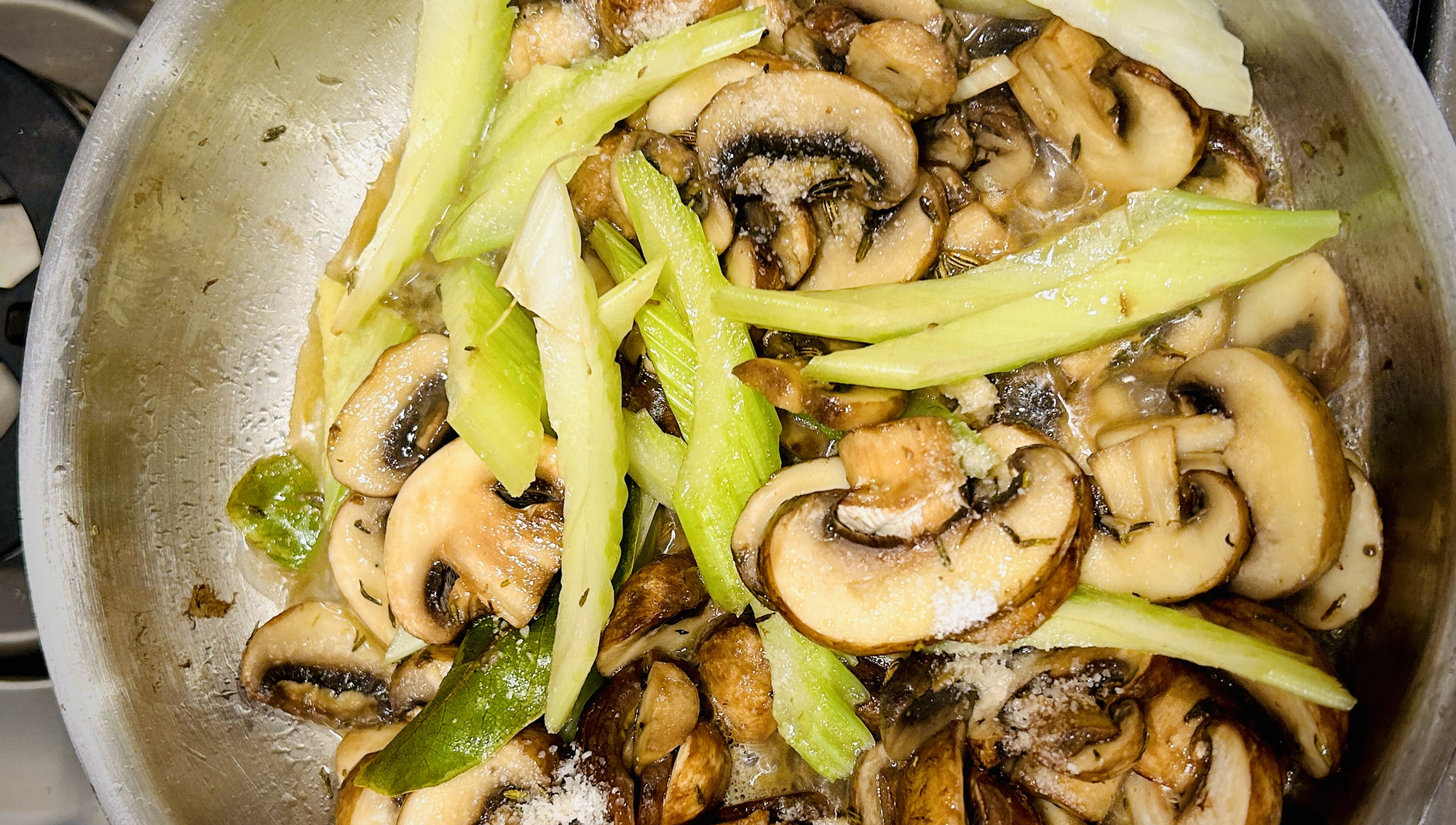
Celery and chestnut mushrooms braising in chicken fat: an undoubted superfood: highly nutritious, rich in fibre, and low in calories. Picture: Joe McNamee

If I were asked to name my top five or even 10 vegetables, I’d never list celery. I don’t think it would even spring to mind for consideration. Yet I eat it two or three times a week, a primary building block in favourite dishes. With carrot and onion, it is the third element of a blessed flavour trinity in any stock.
That troika, diced into tiny pieces, is essential in the construction of a French mirepoix for sauces, soups and stews. In an Italian soffrito, they kick off ragu, minestrone, ribollita (Tuscan bread soup), certain risottos, spezzationo (stews), chicken cacciatore (slow-cooked in tomato sauce) and various tomato sauces. Slowly braised in butter or oil, the trio near dissolve away, adding aromatic nuance to rich flavours.
But I struggled to recall when last I ate a dish where celery was the star and rarely think these days to eat it raw. When celebrating prime produce, celery had become an afterthought. Back in the 1970s, it came to be seen as shorthand, along with lettuce, for joyless ‘healthy eating’, ‘rabbit food’ in the eyes of the general populace — making it all the more wryly pointed that a celery stalk was employed as a swizzle stick in a hangover- curing Bloody Mary cocktail.
It is an undoubted superfood: highly nutritious, rich in fibre, low in calories and chock full of antioxidants and essential nutrients such as vitamins K and C; It helps to lower blood pressure and cholesterol, reduces inflammation and assists with digestion.
Yet health benefits cut no mustard when it comes to the Marmite of vegetables, many eaters despising celery and its saline pepperiness and bitter notes. Then there is the texture. Though wonderfully crunchy, it is mostly water held together by long stringy fibres which can be challenging. Discussing my current investigations into the ‘super stalk’, a friend recalled ‘stewed’ celery of yore, when vegetables had to be boiled or braised into mushy, near- flavourless submission, shorn entirely of nutrition. Subjecting it to such treatment only emphasised celery’s bitterness — revolting.
But it was not always thus. In Ancient Greece and Rome, celery was venerated, albeit more medicinal or symbolic in its usage, particularly at funerals and it was also found in the Pharaohs’ tombs. Originally a wild riverbank plant favouring damp shady conditions, it was coaxed into edible domesticity by French growers in the 1600s.
A fussy crop, it needs to be clustered tightly together to protect stalks from sunlight, plants at the fringes wrapped in damp protective cloths to force them like rhubarb, bleaching out the verdancy and making for more tender, less bitter stalks.
‘Fussy’ equated to ‘expensive’ in the Victorian era when celery became especially prized, stored in prime position in special decorative celery vases of cut glass and precious metals, and sometimes costing more than caviar.
I have spent recent redemptive weeks returning celery to a place of primacy on the table. A late summer crop, it is too early to find locally grown which utterly eclipses the flavour of the imported stuff, but try to always source organic as celery near tops the charts along with cucumber and spinach when retaining pesticide residue. While I’ll happily crunch on a raw stalk, particularly with a nice hummus or similar dip, the challenge of fibre is greatly reduced by slicing it thinly on a mandolin.
These thin slices are quite delicious in salads — I relished one of soft, crumbly Cashel Blue, walnuts, crisp Romaine and a mustardy vinaigrette. Celery salt, made with celery seeds, is ever-present in my larder, an essential addition to egg salad.
Last night, I sliced celery stalks and braised them in chicken fat with chestnut mushrooms, finishing the dish with cream, grated mature Crozier Blue and uncooked celery leaves (another celery ‘bonus’), served on toasted sourdough. Flavours were deep, rich and complex yet still crunchy, tangy celery more than held its own. I now eagerly await the first taste of a batch I have fermenting with shallots and black peppercorns. I don’t think I’ll ever prefer it to caviar and my ‘celery vase’ is an old plastic jug but I’m certainly finding a lot of reasons to make celery sexy all over again.
If you haven’t wherewithal, will or wallet for a full-blown festival experience this summer, why not make a mini-festival at one of the summer gigs/events series at Camus Farm, near Clonakilty in West Cork.
My top tip is an afternoon concert (May 23) by the very wonderful Susan O’Neill, with the option of booking in for lunch and dinner in their superb Field Kitchen restaurant — and if you don’t fancy the drive home afterwards, you can even avail of free camping for concert ticket holders.
Fifth Quarter charcuterie shop Deliwhims, in Paul Street Shopping Centre, in Cork City, is linking up with Cork pottery studio Potteria, on my beloved Douglas St to host a Cheese Tasting and Pottery evening (May 31).
While you paint your own clay cheeseboard (to be fired, glazed and collected within ten days of the event), you can chow down on some lovely cheeses and charcuterie meats, either flying solo or with a posse of comrades.
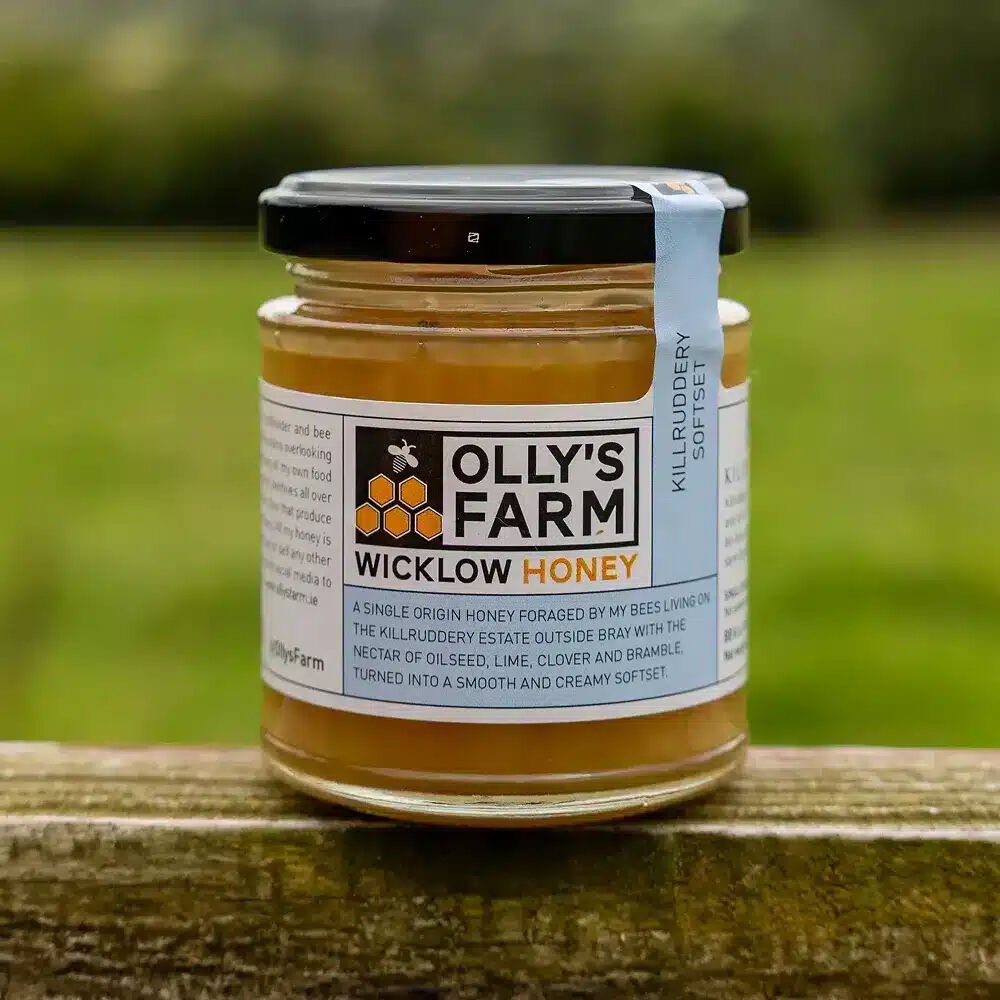
Olly Nolan’s journey into the world of commercial honey was an almost accidental byproduct of a self-sufficiency project begun back in 2012 but he now produces award-winning 100% raw Irish honeys from hives across Dublin and Wicklow, while still cleaving to a focus on sustainability, biodiversity and ethical beekeeping.
The single origin soft set Wicklow honey (€9.50) that I popped open the other day comes from hives on the Kilruddery Estate, feeding on lime, clover and bramble and has been creamed to a soft buttery spreadability. Soft, sweet floral notes are accentuated with a slight astringent note of clove.