Herd Tasks: Your weekly farming checklist
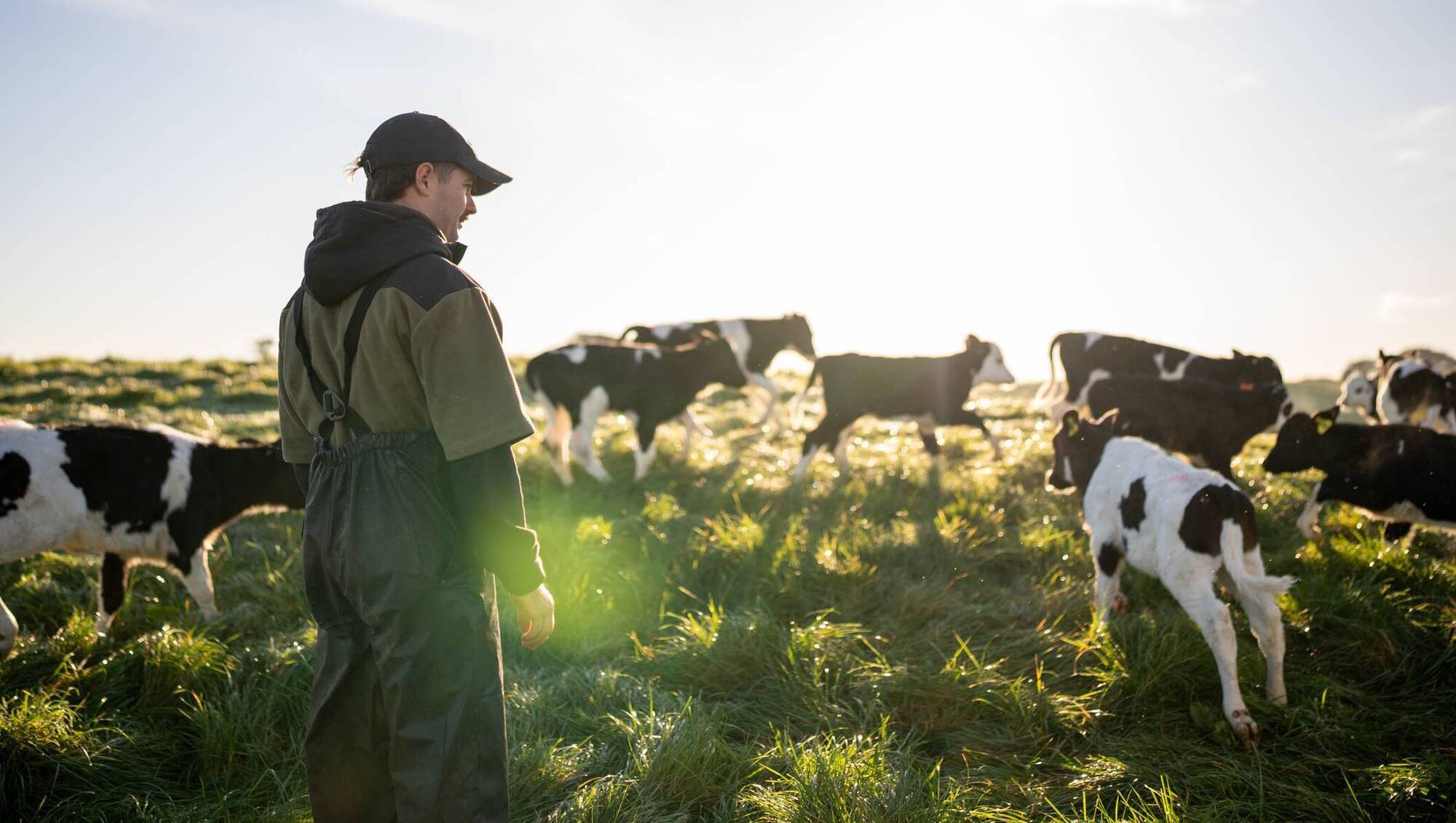
Young calves/weanlings on grass are thriving well once they are getting a fresh pick of grass regularly. Those not being moved regularly and being forced to graze very tightly are not performing well as energy intakes are poor.
- Continue to allocate quality grass to the most productive stock.
- If grass is tight but you have had a rapid increase in growth, slowly reduce the rotation length to maintain quality grass for stock.
- Reseeding or stitching should be considered in under-performing paddocks.
- Parasite control: Watch for coughing and loose dungs. Faecal samples through your vet should be considered before dosing.
- Dairy herds are not performing on grass in 2026, due to poor sward quality and slow Nitrogen uptake.
- Dry Matter intakes are not being achieved, and this is having a negative effect on milk yields across the country.
- Supplementation remains necessary and most herds will still require 4kg or 5kg plus of concentrates to complement grass in order to maintain performance.
- The breeding season is well advanced and getting the last few cows back in calf will help to determine the success of the 2027 lactation.
- Watch for mastitis in recently dry autumn-calving cows. Keep fly control up to date.
- Dry sucklers should be allocated lower-quality grass to keep them from getting overconditioned.
- When weaning calves, keep meal feeding up for a few weeks afterwards to reduce stress.
- Keep High-Mag mineral licks with spring calvers.
- Young calves/weanlings on grass are thriving well once they are getting a fresh pick of grass regularly. Those not being moved regularly and being forced to graze very tightly are not performing well as energy intakes are poor.
- Coccidiosis is a significant issue in many herds, and it is not always the classic loose dungs with traces of blood.
- Investigate any underperformance with dung sampling as part of your search for a solution.