Tom Barry: Fuel protests brought home the value of self-sufficiency
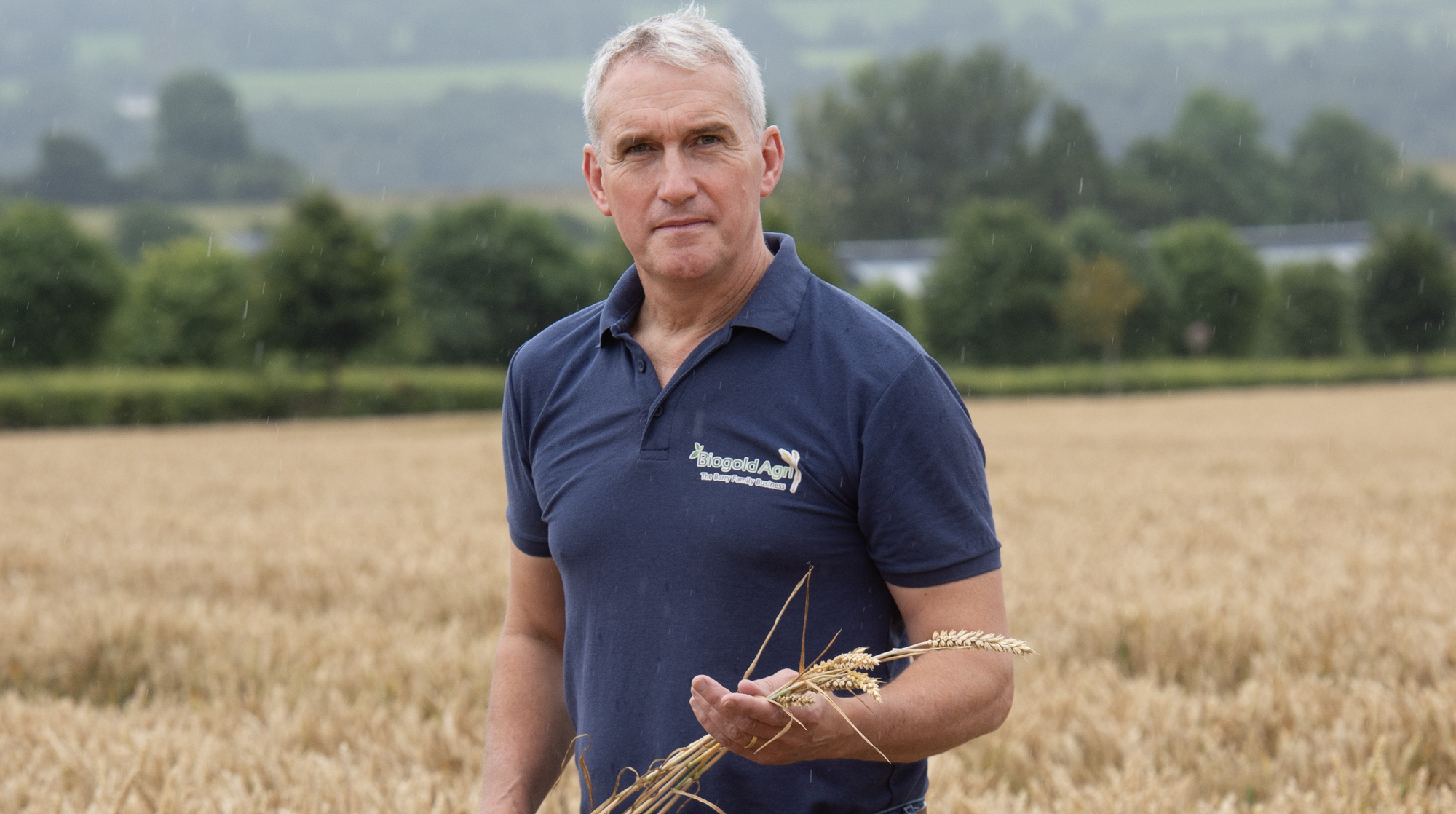
Tom Barry: As we are now halfway through May 2026, it is certainly living up to the old saying: 'A wet and windy May fills the barn with corn and hay.' Picture: Dan Linehan
Wet weather has been the predominant feature of this year so far. It was like 2024, where sowing of spring crops was delayed.
I set the spring beans on March 11 and, like last year, I used my no-till drill to slot beans into the volunteer oats stubble, which had been disc-harrowed last September.
The oats acted as a cover/catch crop, mopping up nutrients over the wet winter, which otherwise would have been heading for the local Blackwater River.
My weed control was an application of glyphosate a few days after planting and pre-emergence while the beans were germinating. This method of establishment is very efficient, requiring minimal labour and reduced-cost herbicide.
Crows are not a problem, as the presence of a cover crop hides the vulnerable emerging bean plant.
Spring oats and barley were set at the next available dry period between March 21-23. I delayed rolling the barley until April 20 to avoid crop damage and followed this up with an in-crop application of 3,000 gallons per acre of pig slurry.
This application of organic nutrients has allowed me to reduce chemical nitrogen and eliminate artificial phosphate and potash, and facilitates better nitrogen use efficiency versus pre-setting applications.
Management of winter crops, especially the application of early nitrogen, was difficult. I managed to apply the first bag of protected urea to winter barley crops on February 24, but another farm of winter wheat could not be travelled until March 26.
Considering the move to September setting to avoid bad weather, I must now factor in the timing of the first nitrogen and the possibility of not being able to travel the land in springtime. This is a problem with early-maturing winter barley varieties.
This year, I replaced my original biomass boiler, which served me for 15 years, with a new Atmos 100kW biomass boiler. The efficiency of this new boiler is amazing at 90%, and it gobbles up any waste pallet wood also, keeping the yard tidy.
Ironically, I commissioned this boiler on April 10 at the height of the fuel protests and the scare of fuel shortage.
It highlighted to me the benefits of having fuel security. Any farm with a need for large volumes of hot water, especially dairying, should consider small-scale biomass.
Needless to say, the costs of running large tractors to set grain and manage crops have gone wild, but I do welcome the Fuel Income Support Scheme and hope that its delivery will be efficient and simple.
Crop genetics are always developing, and I have noticed, especially in this difficult growing year, the power of the hybrid-bred varieties.
I have both “KWS Tayo” hybrid rye and “SY Canyon” hybrid barley, and both have shown fabulous crop vigour and resilience.
All winter crops are clean from a disease perspective, but I am always keen to introduce fungicides early as a preventative, which seems to give better results.
Soil fertility is also a big factor in keeping crops healthy and more robust to the challenges of pathogens.
Since my last column, I was also shortlisted as a finalist for the 2026 Royal Dublin Society Agriculture and Rural Affairs sustainable awards and received a certificate of merit.
It was a very enjoyable awards ceremony featuring many farming families who contribute positively to our industry and environment.
Finally, as we are now halfway through May 2026, it is certainly living up to the old saying: “A wet and windy May fills the barn with corn and hay.”
Hopefully, it will deliver on its prediction and provide a bountiful harvest.