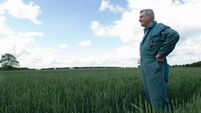
HSA warns farmers have an elevated risk of skin cancer
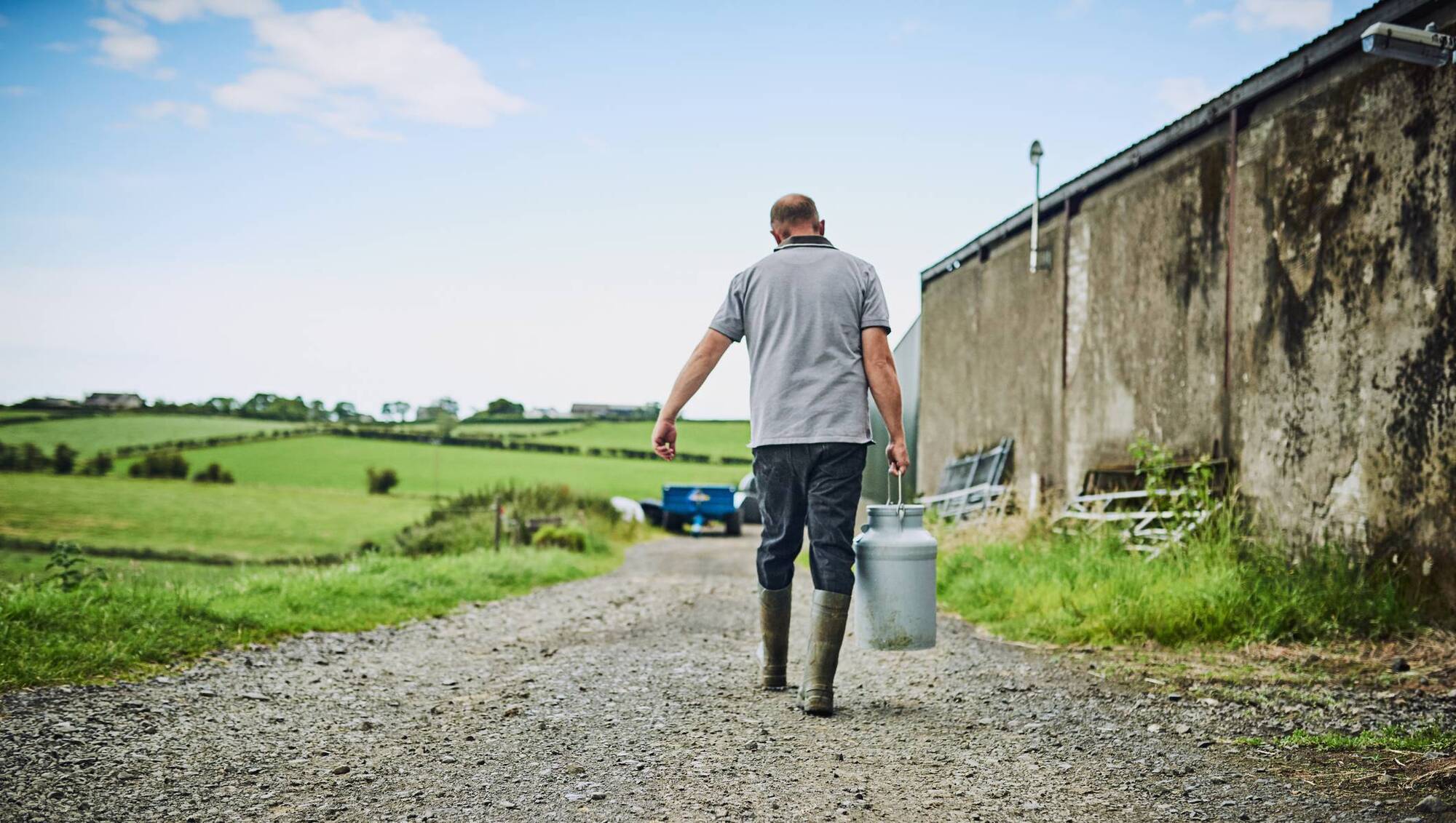
When the UV Index is above 3, protective measures should be taken to protect your skin.
Farmers are among the workers most at risk of skin cancer, according to the Health and Safety Authority (HSA), which has launched a summer inspection campaign targeting UV exposure on farms and other outdoor workplaces.
With more than 11,000 new cases of skin cancer diagnosed each year, it is the most common cancer in Ireland.
Prolonged or unprotected exposure to UV radiation is the main risk factor. Outdoor workers, including those in construction, agriculture, quarries, utilities, transport and similar sectors, can be exposed to two to three times more UV radiation than indoor workers, particularly from now until autumn when UV levels are highest.
The campaign will run from May to September, with awareness-raising activities alongside a targeted inspection programme.
Read More
Inspectors will assess whether employers:
- Have considered UV exposure as part of their risk assessments;
- Have taken steps to reduce exposure during peak UV times;
- Provide appropriate information, training and protective measures for workers.
The campaign aims to improve compliance, increase awareness and prevent long-term harm among outdoor workers.
The HSA reported that in Ireland, men are more likely than women to get skin cancer (melanoma), and deaths from melanoma are higher among farmers than ‘indoor’ workers. According to the Irish Cancer Society, the risk of skin cancer is three times higher if you get burned once every two years.
Ger Hartnett, senior agriculture inspector with the HSA, said, “Farmers are among the most exposed workers in Ireland, spending long hours outdoors where UV damage can build up over time.
"Farmers need to make sure they’re wearing sunscreen, especially from April to September, and it’s important to do so even on cloudy days. Wear long trousers, long-sleeved shirts and a wide-brimmed hat to reduce sun exposure. These small measures can make a huge difference to a farmer’s long-term health.”
When the UV Index is 3 or above, protective measures should be taken, including wearing covering clothing, using sunscreen on uncovered skin, and seeking shade. During the summer months in Ireland, UV levels frequently exceed this threshold, particularly between 11am and 3pm, especially from April to September.
The HSA is also urging employers to ensure practical protective measures are in place for workers who are exposed to UV from sunlight as part of their job, even on cloudy days or when overcast.
HSA assistant chief executive of the Occupational Health Division Dr Adrienne Duff, said: “Our inspectors will be looking for evidence that these risks are being managed effectively, including planning the work, monitoring the UV Index and taking appropriate protective measures when it reaches 3 or above, including access to shade, water, protective clothing and sunscreen, and making sure workers are informed.
By taking simple, practical steps, employers can play a vital role in protecting workers’ health now and in the future.”
Cancer prevention officer from the HSE’s National Cancer Control Programme Maria McEnery, said: “The risk of skin cancer increases with cumulative UV radiation exposure over time.
“The increased UV levels can lead to sunburn, eye damage, and long-term risks such as skin cancer. Implementation of SunSmart measures in the workplace is a critical component in protecting outdoor workers’ long-term health.
"Resources are available to assist employers, including recently published guidance for outdoor workers who are drivers.”
For more information and guidance, visit the HSA website.