Cutting corners on silage a false economy in high-cost year
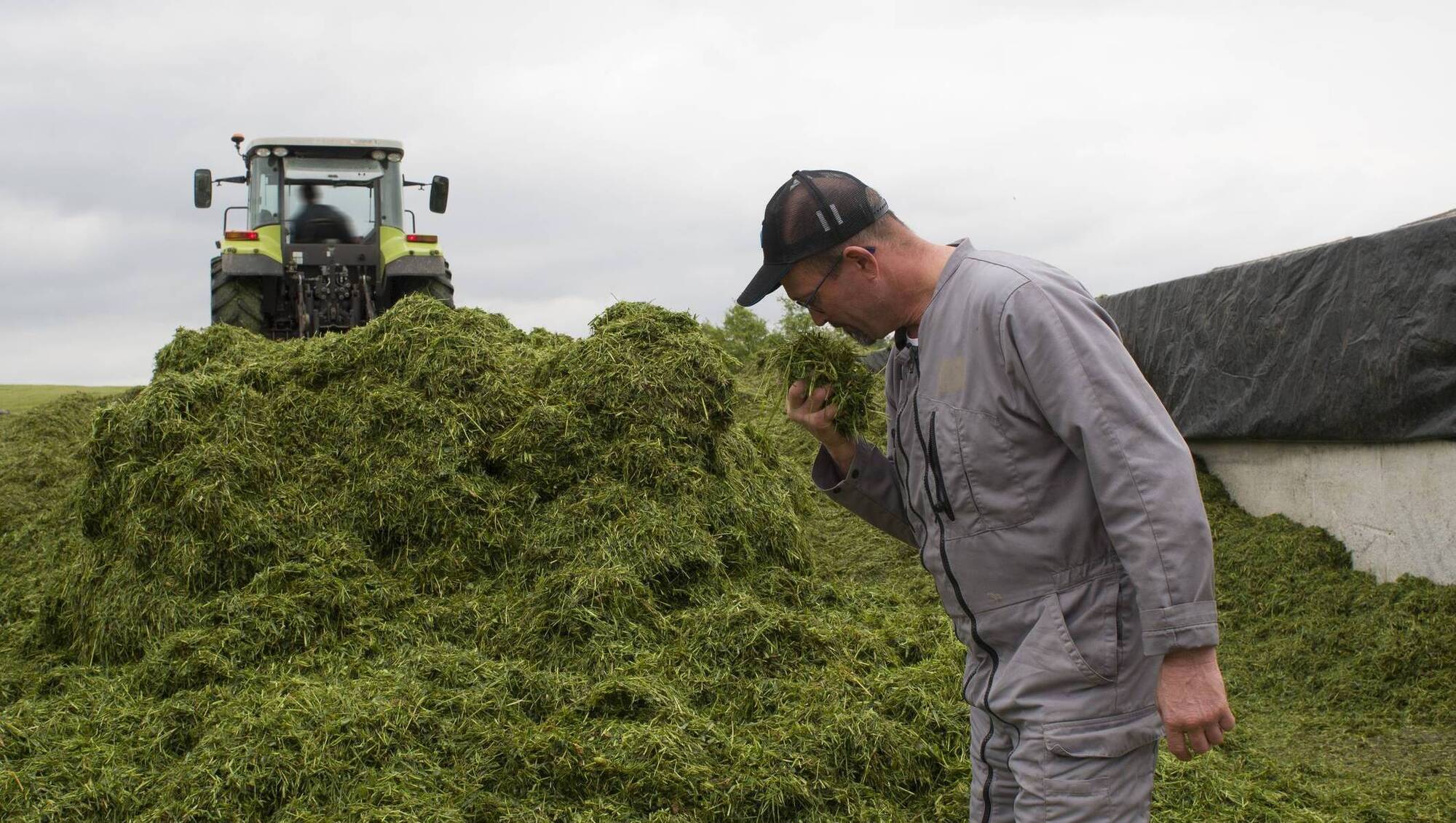
Producing high-quality, high-energy silage is more important than ever in a high-cost environment.
The importance of maintaining high-quality, high-energy silage despite rising input costs, particularly diesel, have become a major concern for Irish farmers in recent months.
Silage making — one of the most machinery-intensive operations on livestock farms — has been especially affected.
With fuel prices increasing significantly, farmers are understandably assessing where costs can be reduced. However, while input inflation presents real challenges, compromising silage quality is not the solution. In fact, producing high-quality, high-energy silage is more important than ever in a high-cost environment.
Silage is typically charged by contractors on a per-acre basis. While some may offer reduced rates for multi-cut systems, this is not widespread.
As a result, farmers may question whether to allow crops to bulk up to increase yield per acre, or to cut earlier and prioritise quality over tonnage. This is a critical decision point.
Silage remains the cornerstone of winter feeding on Irish dairy and beef farms. It provides the bulk of forage and plays a central role in animal performance, feed efficiency, and overall profitability.
While it is by no means cheap to produce, silage remains one of the most cost-effective feeds available on farm. Even with increased production costs, well-made, highly digestible silage continues to offer excellent value compared to purchased concentrates.
Diesel is a significant input in silage production, whether operations are carried out by contractors or with farmer-owned machinery. Every stage — mowing, tedding, raking, harvesting, drawing, and pit rolling — requires fuel.
At a diesel price of €1.50 per litre, fuel alone contributes more than €16 per tonne of dry matter. While this is a notable cost, it must be considered in the context of total feed value and animal performance.
Maximising output — whether milk yield or daily liveweight gain — from this silage is essential.
Faced with rising costs, there can be a temptation to reduce expenditure by skipping key operations such as tedding, delaying cutting dates, or harvesting heavier crops to spread costs over more tonnes. However, these decisions often result in poorer fermentation, reduced digestibility, and lower voluntary intake.
Recent seasons have highlighted the importance of having a reserve of high-quality silage available, particularly for spring feeding of lactating cows. Silage is no longer used solely for dry cows in spring-calving, grass-based systems. Due to challenging weather conditions, many farms have relied on silage for extended periods, reinforcing the need for consistent quality.
Lower-quality silage carries a significant hidden cost. For every five-unit drop in DMD, dairy cows may require an additional 1–1.5kg of concentrate per day to maintain milk output. On beef farms, poorer silage leads to longer finishing periods, increased feed requirements, and extended housing durations —all of which increase costs and labour demand.
When concentrate prices are high — as is often the case during periods of energy inflation — the financial penalty of poor silage is even greater. Saving a small amount per tonne of dry matter by allowing crops to bulk can result in substantially higher feeding costs later.
Key drivers of high-quality silage include:
- Cutting grass at the correct growth stage;
- Achieving adequate wilt and dry matter;
- Avoiding soil contamination;
- Ensuring rapid filling and effective pit consolidation;
- Using additives where appropriate.
Effective preservation relies on lactic acid bacteria fermenting plant sugars into lactic acid, resulting in a rapid drop in pH. The use of a proven inoculant can help to stabilise this process and improve nutrient preservation. However, it is important to note additives enhance good management — they do not compensate for poor silage-making practices.
Producing silage in the range of 72–74 DMD, rather than 66–68 DMD, significantly improves intake potential and animal performance, particularly for lactating dairy cows and finishing cattle.
While increased diesel prices have raised the cost of silage production, the greater risk to farm profitability lies in declining silage quality.
As demonstrated, fuel represents only a portion of the total feed value when yields and quality are optimised. Attempts to reduce costs by cutting corners frequently result in higher overall feed bills and reduced animal performance.
In a high-cost environment, the priority for Irish farmers is clear: control what can be controlled within the silage-making process, and aim to produce the highest quality forage possible, as efficiently as possible.
High-energy, highly digestible silage remains one of the most valuable and cost-effective feeds on Irish farms, and its importance continues to grow as system-wide costs increase.
- Thomas O'Sullivan is an InTouch feeding specialist at Alltech Ireland