Brian Reidy: Ground is soft, patience is thin — how to survive the February slog
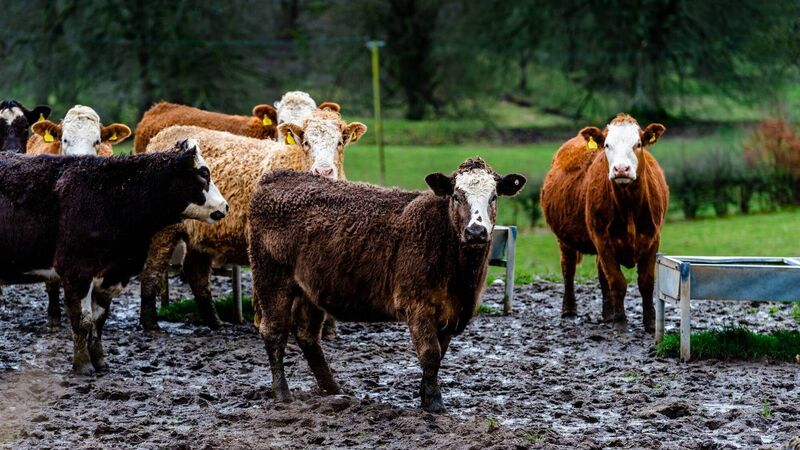
Ground is actually in good condition on many farms if it has not been travelled, but there is a lot of standing water about, writes independent ruminant nutritionist Brian Reidy.
It has been a difficult couple of weeks weather-wise and, unfortunately, there is quite a bit of rain in the forecast as I write. A good spell is really badly needed to get slurry and fertiliser out as many only had a limited opportunity last month.
For many, grazing is still a bit away due to ground conditions. Ground is actually in good condition on many farms if it has not been travelled, but there is a lot of standing water about.
Don’t travel ground or turn animals out. If you do, it will do excessive damage. Remember that any damage that you do at this time of year is likely to reduce overall grass yield for the year.
If you are lucky enough to be out grazing, it is important to manage the swards carefully.
However, with the current tender nature of ground, it would be unwise to be looking to achieve a very tight cleanout.
Don’t rule out the use of a strip wire in the first rotation to help reduce damage and ensure paddocks are grazed fairly well. Check water troughs before you graze paddocks for the first time.
When turning stock out early, you also need to consider animal performance.
Generally, dry matters will be higher than mid-season grazing. Protein will be below 20%. It will thankfully be rare this year for anyone to need to turn out animals due to a shortage of silage.
If you are worried about silage supplies, consider adjusting your diets with the inclusion of straw and additional concentrates. Silage is also available to buy, but make sure you have sourced good quality before you decide what to buy.
When you finally get to apply fertiliser, get the most from it. Slurry is a very valuable asset on your farm, and must be used wisely. 1000 gallons of cattle slurry has an approximate value of 5N:5P:25K.
The quality will be determined by the type of animals producing the slurry and the diet they have been on during the winter. The typical values of slurry should be taken into account when calculating nutrient requirements for both grazing and silage production.
Try not to put too heavy a cover of slurry on ground, as it will leave grass less palatable and reduce intakes.
More slurry is being spread by trail and shoe and dribble-bar systems, which will both mean that more nitrogen is potentially available to the sward.
Fertiliser application for grazing should be based on the nutrients required in conjunction with the most recent soil results. These soil results should help you to decide on what fertiliser combination to use.
In general, during the peak growing season, a sward will require plus or minus one unit of nitrogen per day for grazing in a typical rotation. The age and quality of the sward, along with soil indexes for phosphorus and potassium, and pH will determine how much nitrogen is available and how much can actually be used by the crop.
Excessive nitrogen is wasteful, as it supplies cattle with too much protein in their diet, and they must use energy to excrete the excess. This reduces animal performance and reduces daily gain.
Remember, if you take out surplus paddocks containing excess nitrogen, they are difficult to wilt effectively, resulting in poor-quality bales. Grass is the cheapest feed on the farm, and provides excessive nitrogen to a sward is a waste of money and energy.
- Brian Reidy is an independent ruminant nutritionist at Premier Farm Nutrition.