Ask a solicitor: The biggest mistakes people make when drafting a will
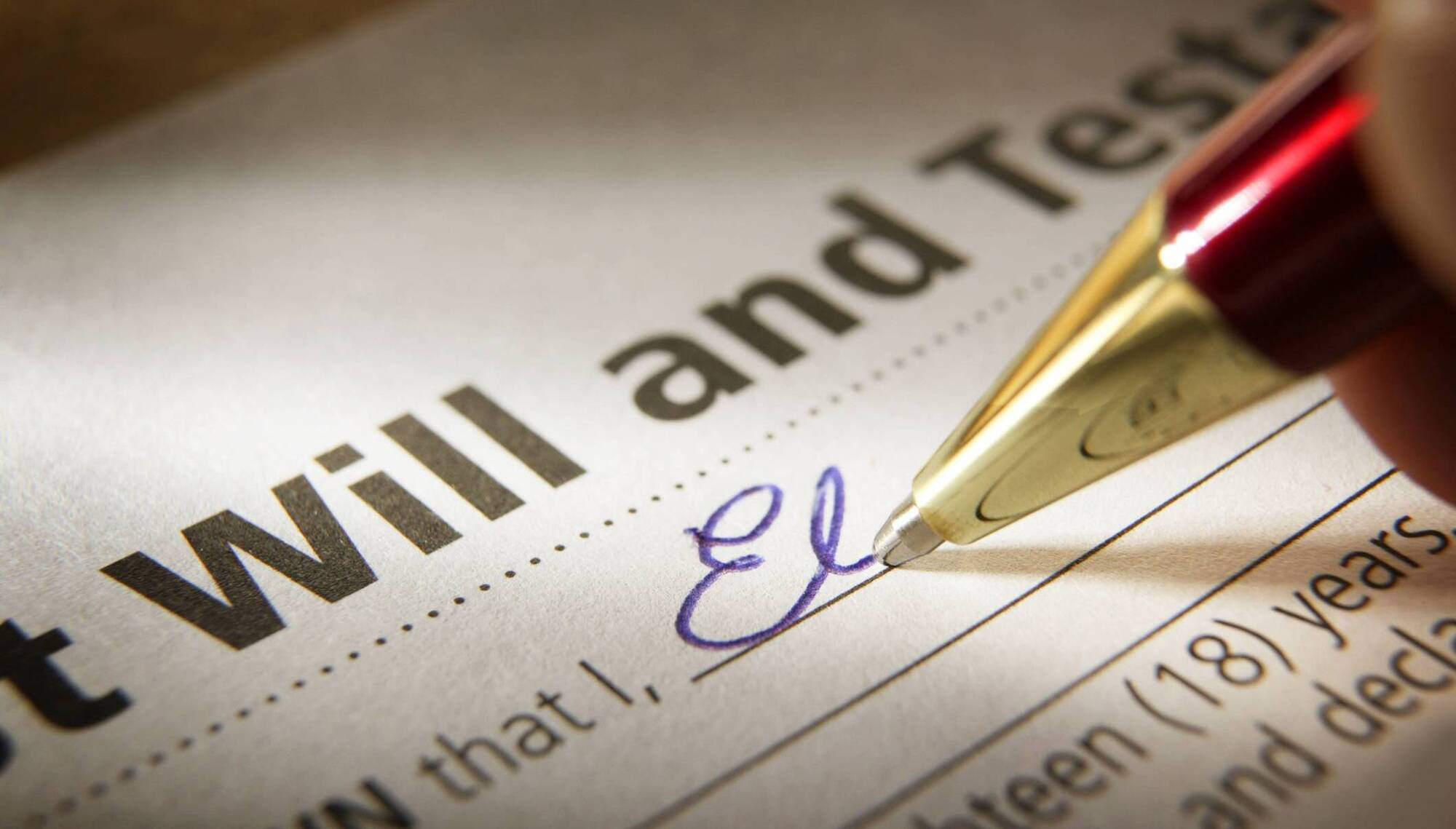
A Will must comply with certain legal formalities in order to be valid, writes rural solicitor Karen Walsh.

Dear Reader,
You are certainly not alone in feeling unsure about where to begin. Making a will is something most people put off, often because it feels complicated or uncomfortable. In reality, once you understand the essential requirements, the process becomes much clearer and far more manageable.
A will must comply with certain legal formalities in order to be valid. These rules are in place to ensure that the document genuinely reflects the wishes of the person making it and that those wishes can be acted upon after their death.
The person making the will must be over the age of 18 (or married) and must have the mental capacity to understand what they are doing and the nature and effect of the document they are signing. The will must be in writing and signed at the end by the person making it, and it must also be properly witnessed by two independent witnesses who do not benefit under its terms.
Although online templates may appear convenient, they often cannot take account of a person’s particular circumstances. Issues such as blended families, property ownership, agricultural land, business interests, foreign assets or gifts made during life can all have significant legal consequences.
Even straightforward family arrangements can give rise to difficulties if a will is not drafted correctly. Problems tend to arise only after a person passes away, when it is too late to clarify their intentions, and the cost – both emotional and financial – of fixing an unclear or invalid will can be considerable.
A solicitor experienced in wills and probate can guide you through the process, ensure the document is correctly drafted and properly executed, and advise on matters such as the appointment of executors, guardians for minor children and any trusts that may be required. They can also help you think through issues that are easy to overlook, such as how jointly owned property passes, what happens if a beneficiary dies before you, or how to deal with assets that may fluctuate in value.
A will does not have to be complicated or expensive, but it must be correct. Taking professional advice gives you the certainty that your wishes will be honoured and that your loved ones will not face unnecessary difficulty at an already challenging time.
Starting the process is often the hardest step, but once you begin, you will find it is far more straightforward than you might expect — and the peace of mind it brings is invaluable.
Email: info@walshandpartners.ie
- While every effort is taken to ensure the accuracy of the information contained in this article, Karen Walsh does not accept responsibility for errors or omissions howsoever arising. Readers should seek legal advice in relation to their particular circumstances at the earliest opportunity.