Walkways of the M50: John O’Reilly on making art from infrastructure
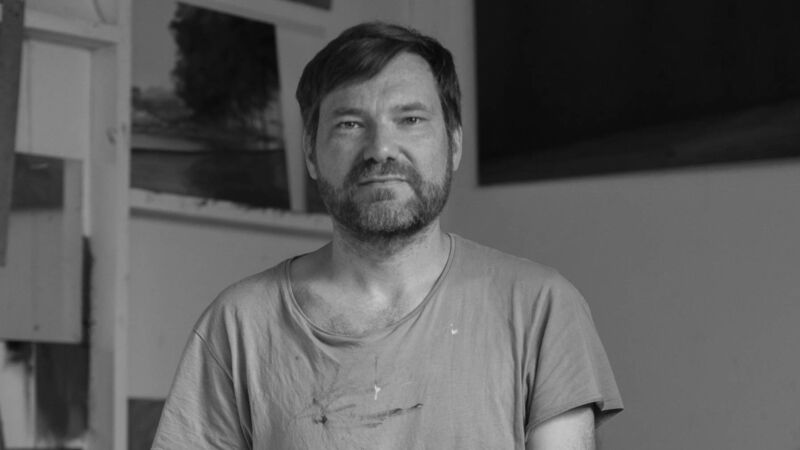
John O’Reilly: 'I love walking. Urban or rural, wherever I am, I like to walk around.' Picture: Rosie Barrett
John O’Reilly grew up in the North Strand in Dublin and has always been fascinated by the city’s built environment. A former graffiti artist, he transitioned to painting in oils on canvas in his twenties. His work can now be seen in Walkways of the M50, his first solo exhibition at the Ashford Gallery at the Royal Hibernian Academy, which takes the pedestrian infrastructure of one of the capital’s busiest motorways as its subject.
“I grew up on Charleville Avenue, which is pretty much beside Croke Park,” he says. “It's inner city, and a pretty old area, and there's a lot of different kinds of architecture around.
"You have the railway, the canal, factories, flats, houses and small lanes. I liked all that as a kid, and it would definitely have informed my interest in the built environment.”
Read More
Although O’Reilly has been a full-time artist for over 20 years, the invitation to show at the RHA still came as a surprise.
“They have an open call every year, and I've always applied. It's something I really wanted, but I wasn't that disappointed if I didn't get it, as so many people put in for it. When I got the email back saying they’d love for me to have a show, I was really happy. I couldn't believe it.”
The M50 proved a natural subject. “It’s basically a ring road around Dublin,” he says. “It starts at Dublin Port, goes through the port tunnel near the airport, then around the west of the city, further south, and ends near Shankill, where it merges with the roads down to Wicklow.”
He had already produced a number of works based on the motorway, but decided to narrow the focus to its walkways for this exhibition.
“I love walking. Urban or rural, wherever I am, I like to walk around. The walkways on the M50 are designed so people can cross from one side of the motorway to the other, and a lot of those places, the bridges and underpasses, are really atmospheric.”
The Tolka River passes beneath the M50 on the north side of the city. “It looks amazing down there. You have the river, and because it’s where the suburbs meet the countryside, there are lots of trees and wildlife.”
That natural setting is overshadowed by the scale of the infrastructure.
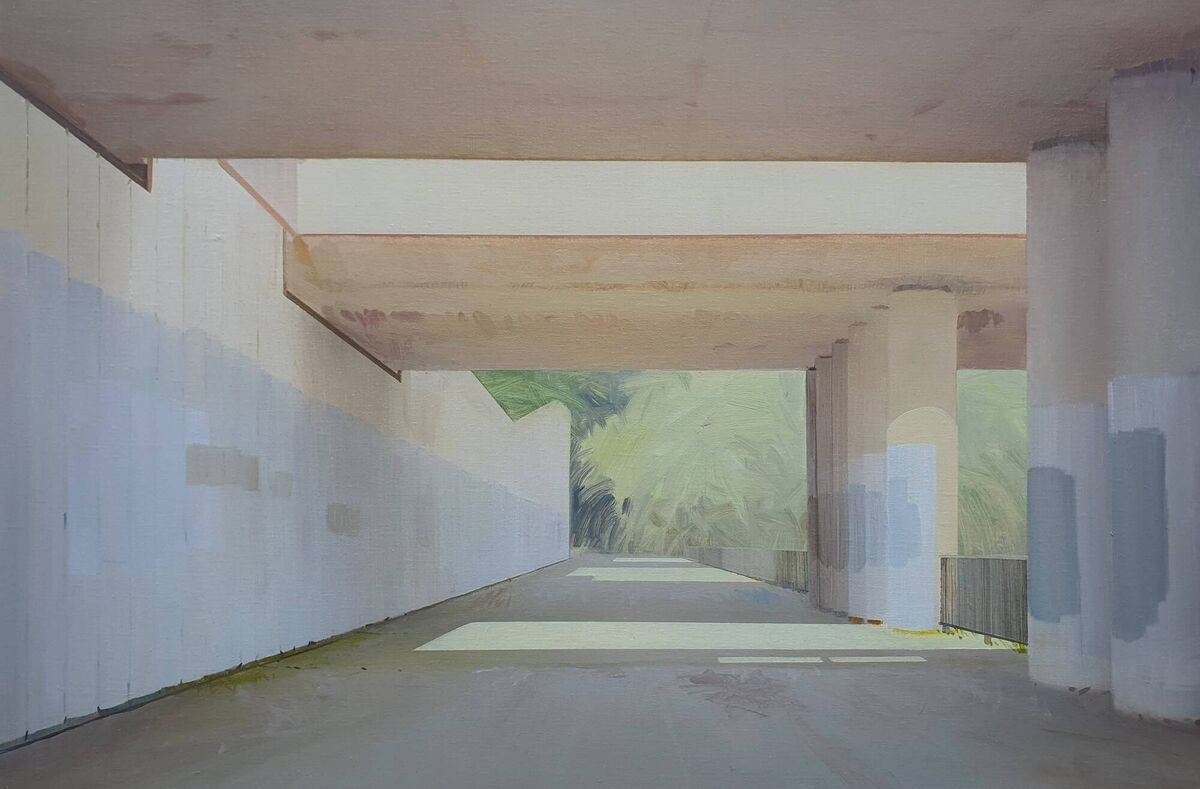
“You have this huge concrete structure where the river goes under the motorway. If you look up, there might be four different roads and bridges above you, because you have the main M50 and all the slip roads. It’s a really strange, atmospheric place, and it’s massive. But it’s also incredibly quiet. Apart from the people who live nearby, hardly anyone knows it’s there.”
The River Dodder also flows under the motorway, but on the south side. “It’s not as big a river as the Tolka, but it’s really nice. There are lots of trees, and it looks beautiful in May or June when everything’s in bloom.”
Unlike the Tolka underpass, the Dodder walkway is well used. “There’s a park nearby, and people are walking through it all the time. It’s part of the local walking routes.”
O’Reilly lives in Clontarf these times, just a few miles from where he grew up. He used to work from Richmond Road Studios in Phibsborough, but has been painting at home since they closed in 2022. “I have three kids, so my timetable works around them,” he says. “It’s more convenient to paint at home for now, though I’ll probably look for a studio again in the future.”
Largely self-taught, he never attended art college, and his earliest influences came not from art galleries or books, but from the street, he says. “There was a piece of graffiti on a railway wall near our house. I was always drawing as a kid, into sci-fi comics like 2000AD, and I was blown away by it. I couldn’t even read it, but I can still appreciate how well painted it was.”
He soon began painting graffiti himself, carefully choosing when and where to spray his tag, based on his initials, JOR. “At the time, Ireland didn’t really have much of a graffiti scene. It was tiny. Most of us knew each other, or at least knew of each other. There were maybe two or three people in Dublin, a few in Belfast, Cork, Kilkenny and Drogheda. This was all before the internet, so it was harder to meet people.”
As his skills developed, O’Reilly travelled to Europe, America and Australia, painting with artists he met along the way. “Sometimes you’d go to festivals, but often it was just casual. You’d know someone in Barcelona and go over to paint. It’s quite a social art form if you want it to be, and a great way to meet people and get into local culture.”
His only formal training came from a PLC course in animation in Ballyfermot in the mid-1990s. “I wasn’t even that into animation. I just wanted to see what it was like. It was all hand-drawn back then. We had life drawing sessions and learned about perspective, which really helped me technically. But I was too focused on graffiti to pursue it as a career.”
When he first began painting on canvas, “it was really challenging, using brushes and oils,” he says, “but I loved mixing my own colours. With spray paint you’re limited to set colours, so oils really opened up the possibilities.”
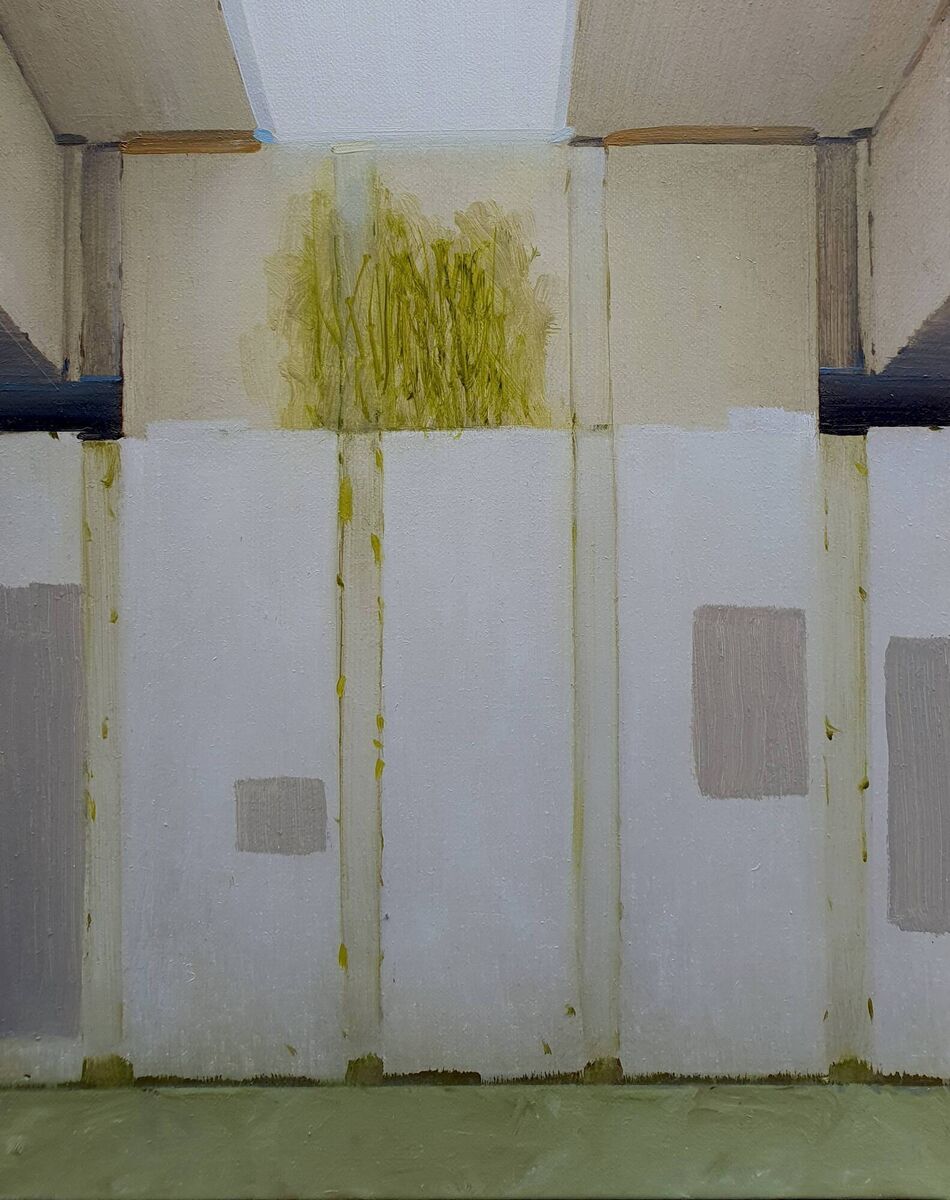
Support from established artists, such as his brother-in-law Blaise Smith, helped ease the transition. Eleanor McCaughey, Conor Harrington and Christian Reeves were other friends who offered advice and encouragement. “I remember Conor talking about the brands of paint he used. That kind of practical information was really helpful.”
Finding subject matter was never an issue. “All those places, the urban landscapes I knew as a graffiti artist, I went back and painted on canvas. I used to paint a lot of car parks, and I’ve always liked industrial stuff.”
O’Reilly’s JOR tag is no longer visible around Dublin, and his graffiti days are long behind him, he insists, but he will always be inspired by the city’s streets and buildings. “I’m not sure what kind of project I’ll do next,” he says. “But I have plenty of paintings lined up. I’ll see how it goes.”
- John O’Reilly, Walkways of the M50 runs at the Ashford Gallery, RHA, Dublin until March 15.
- Further information: rhagallery.ie; johnoreillyart.com