TV review: Jealousy, drugs and break-ups, the Take That docuseries has it all
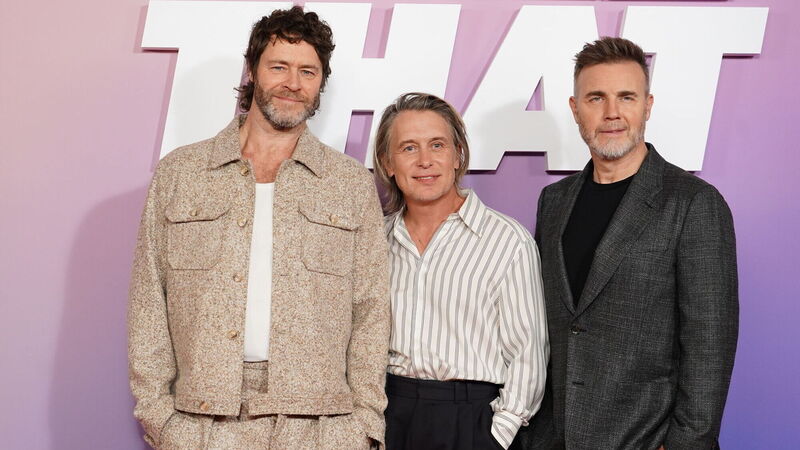
Members of Take That (left to right) Howard Donald, Mark Owen and Gary Barlow attending the special screening of the Take That docuseries. Picture: Ian West/PA Wire
I love pop band stories. There’s the touring around small clubs in a van, best friends, screaming girls, Top of the Pops, the jealousy, drugs, drink, break-up, and if you’re lucky, they all survive for a reunion or two. It’s all there in (Netflix), so good it might be better than Wham!, released in 2023.
The advantage here is that they are still around to tell the story. Better still, they’re all bright, open, and reflective.
So it all comes out. The way that Gary Barlow ran the band as his own vehicle, along with manager Nigel Martin-Smith. He was a fully formed singer-songwriter, learning his craft in working-man’s clubs around Cheshire, when Martin-Smith held auditions to build a band. They started out in gay clubs, until it dawned on them the real audience was teenage girls.
They are all frank about their place. Gary is in charge of music, Robbie Williams is cheeky, Mark Owen is good-looking. Jason Orange and Howard Donald admit they were the dancers at the back. It works, they’re global sensations in the early 90s. This is waving-at fans-out-of-a-Tokyo-mini-bus-moments, my favourite part of the pop stories. Because that is always just before the slide.
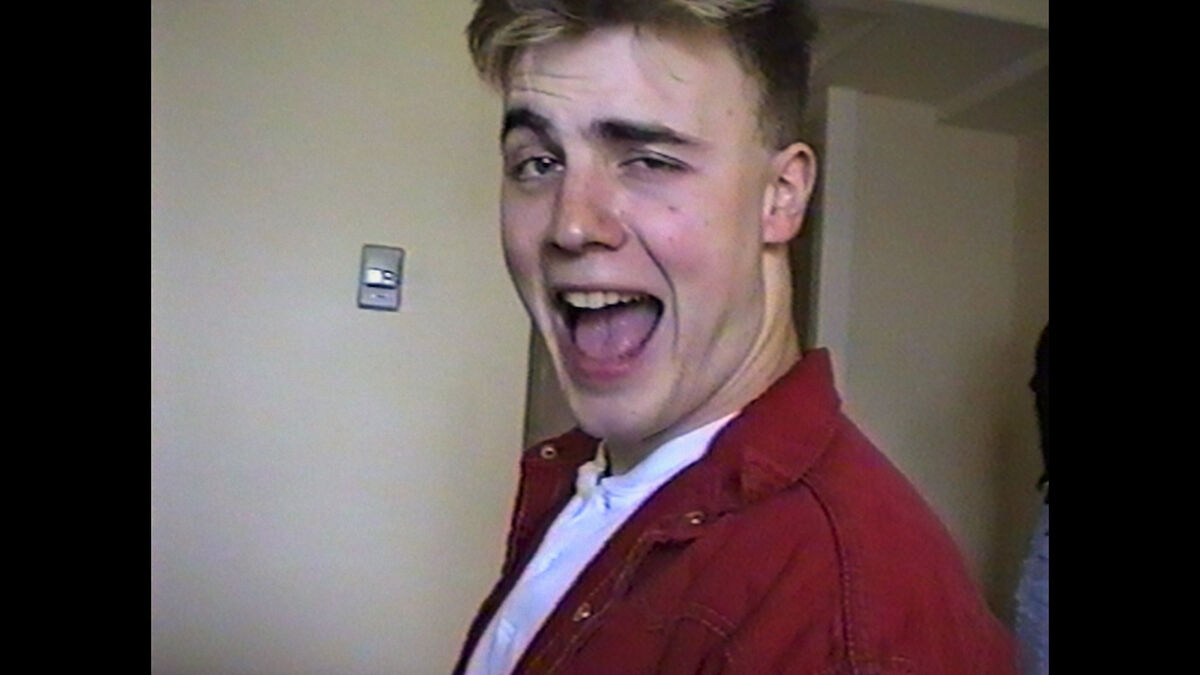
Howard recalls “you don’t recognise you are a backing dancer until a few years in”. Robbie starts drinking heavily. Mark remembers the weirdness and loneliness of fame, wishing he could walk down the street without anyone touching him, wondering if he should feel happier now his dreams have come true.
Then Robbie leaves, saying he felt like a Man United fan in the Liverpool end. I can still remember that time in the 90s. There were a lot of young girls crying on TV. The other four carried on for a while, but Robbie was out in the wild now, acting his age and himself rather than pretending to be a heart-throb. Take That split, all over in five years.
Howard, the must reflective, said it hit him the hardest because he was only trained as a pop star or spray-painter. He loved the success the most, admitting he felt like a nobody at school. A and when it went away, he thought of jumping in the Thames. Mark went camping in the Lake District for a few months, delighted to be out.
Robbie did badly at first, released Angels, and became a giant-ego superstar.
That only brought us to the end of 1990s. Their stories remain gripping across three episodes, Robbie compellingly vicious as he became more famous, Gary putting on weight so people wouldn’t recognise him. You couldn’t make this stuff up. They didn’t have to. Give it a watch.