Warm, sunny and breezy


Schools look to reduce energy bill

Monday, April 07, 2008

Donal Hickey previews the SEI 2008 Energy Show.

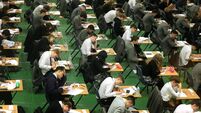
WE’VE been hearing a lot recently about a lack of funding in general for the education system, but schools could reduce their fuel bills substantially through better use of energy. There’s a primary school in the North, for instance, which can generate its own electricity using a wind turbine installed in the grounds.

People who remember when turf fires heated classrooms truly step into a different world when they visit schools designed in the 21st century. Since 1998 the Department of Education has been using the DART process — design, awareness, research and technology — to make schools energy efficient. Schools built in line with the guidelines can be 2.3 times more energy efficient, according to the department.


The design of modern school buildings seems practical and sensible when you think about it. By having pupil spaces facing towards the south east, for example, there can be a 25% energy saving in the mornings — a case of making maximum use of natural daylight.

Natural ventilation can also be provided, without draughts, through a mix of high and low-level openable windows, while obvious steps can be taken to prevent loss of heat from the classroom through better sealing and insulation. In some schools teachers can use the actual classroom as a learning tool for energy efficiency.

The Schools of the Future Programme will be one of several issues to be discussed at the Sustainable Energy Ireland (SEI) 2008 Energy Show, at the RDS, Dublin, on April 16-17.

Dunseverick Primary School, near Giant’s Causeway in Co Antrim, has a 12-metre wind turbine installed, specially designed so that it is not particularly noisy or an eyesore.

The turbine was won in a schools’ eco-competition and the winning school hopes it will not only generate enough electricity to power all of its lights and computers, but it may even be in a position sell excess electricity to the national grid.

Schools that entered for the competition had to prove they had planning permission, could offer a good location that would not bother the school’s neighbours. They also had to ensure everyone in the school understood the benefits, and that it was supported by the whole community.

With a wind speed of 6.1 metres per second, it is estimated the turbine will generate over 13,000 kilowatts of electricity each year. This would result in a reduction of 28% on the amount of energy used, saving the school over Stg£1,500 a year.

The turbine will also be a way to support the children’s studies. Pupils will be able to use it as a working example for subjects such as maths, geography and science.

In the Republic, the Green-Schools’ programme has been a phenomenal success, with over 50% of all schools taking part. Almost 700 schools have implemented the programme to the required stand and have been awarded the green flag.

Pupils and teachers work together in improving the school environment, reducing litter and waste and cutting fuel bills. The pupils are recycling and reusing daily, and doing practical things, ensuring taps are not left running and lights are switched off.

In essence, the pupils are forming environmentally-friendly habits that should last a lifetime.

Meanwhile, the theme of 2008 Energy Show is Meeting Ireland’s Energy Challenge. The show is expected to be the biggest yet, as continuing developments domestically and internationally focus increased attention in the area of sustainable energy.

The event’s seminar programme features expert speakers from abroad who will share insights and expertise from their own countries with the aim of enhancing both new thinking and best practice in Ireland.

Over 130 companies, many from outside Ireland, will exhibit at the show, and several of the technologies being demonstrated will be on display for the first time in Ireland. Areas covered will such as combined heat and power (CHP), energy management, biomass, and solar thermal energy.

The sustainable energy sector has undergone an enormous transformation in recent years.

"It has moved from the fringes to being a central consideration in the Irish economy, and has been driven by developments at national and international policy level, as well as the onset of harsh economic realities associated with rising oil prices," said SEI chief executive David Taylor. Seminars and discussions will concentrate on key issues, such as low energy consumption and the limiting of carbon emissions.

Headings of talks to be delivered include — Earth, Wind & Fire — 100% Renewable Energy for Responsible Energy Managers; A Class Apart — Ireland’s School’s of Tomorrow Programme, The Changing Face of Ireland’s Hotels and A Practical Guide to Zero and Low Carbon Solutions for Large Buildings — Andrew Honey, UK Microgeneration Limited.


a d v e r t i s e m e n t