Doubts grow on extending bailout funds deal
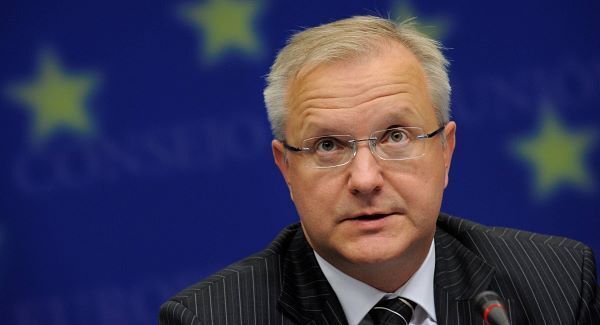
The case for extending repayments for an average of 19.5 years was pushed hard by EU economy commissioner Olli Rehn when he said it was important to take the decision at the meeting.
However Irish and EU officials were much less confident because of the gap in Portugal’s budget after their courts vetoed proposed government measures.
Irish officials said they were confident there would be an extension of the maturities of the EU loans, but for how long and when the formal decision would be made was not certain.
An EU official said they needed to find out what length ministers were comfortable with and they needed to hear from the Portuguese finance minister on the situation in Lisbon.
The Portuguese authorities have stressed the extension would be an important signal now, especially given their budget concerns.
The Department of Finance position is that if it takes a little longer to get consensus on the extension, then they would accept this in the hope of getting the best decision possible.
Mr Rehn said that extending the maturities was “a core part of our exercise to support the exit and to return Ireland and Portugal to private market funding”.
The ministers agreed in principle last March to push out repayments for Ireland and Portugal, especially to avoid peaks in both countries’ repayment schedules, and to enhance their profiles to investors as they exit their bailouts and return to market funding.
The Government had initially hoped for average repayments to be pushed out to 30 years but last month Minister Michael Noonan lowered expectations saying he hoped they would agree to 15 years.
Ireland’s average at the moment is 12.5 years while Portugal’s is already 15 years and they were pressing for a longer term.
Germany, the Netherlands and Finland have been hesitant with Germany warning it could send the wrong signals to the markets. The troika was asked to come up with the best option on adjusting the maturities and produced a document considering a number of options and suggesting a maximum seven-year extension.
There is agreement already to roll-over €1.5bn of the EU’s loan due to Ireland in 2015 when state repayments due reach €10bn, but a new agreement could see the other tranches — due to be repaid in three, eight, 11, 25 and 29 years — extended. The IMF loan is expected to remain as agreed.
The interest rate on any rolled-over amounts could change depending on the prevailing interest rate the market is charging the EU bailout fund, the EFSF, at the time the money is raised.
Ireland got an extension of maturities in July 2011 from 7.5 to 12.5 years and a cut in the interest rate in line with Greece which reduced repayment costs by around €10bn.
CONNECT WITH US TODAY



Be the first to know the latest news and updates