Slugs and snails - know they enemy
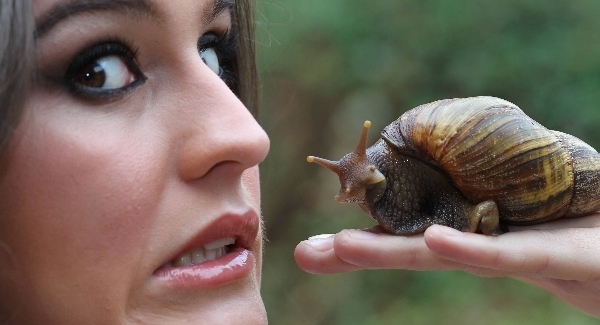
Combating their voracious activities may seem like a full-time job for Irish gardeners as few pests are as destructive and non-selective as slugs. Both slugs and snails are hermaphrodite meaning each one is both male and female, and all possess the ability to lay eggs. These translucent white eggs can often be spotted in the soil, in compost heaps and other dark, damp places. Up to 500 eggs per slug may be laid in a season and it can take as little as three weeks for these to hatch into tiny versions of the adults, depending on the time of year. While snails tend to hibernate in the winter, slugs can be active all year round both above and below ground. Both are mostly nocturnal feasters and move along on one single muscular foot, secrete slime and are not the cutest of creatures. However despite their bad reputation, slugs do provide some ecological benefits and are an important food source for many animals. They are also decomposers of organic matter and vegetation, which is important for recycling nutrients through the food chain. And not all slugs are bad, with the garden slug (dark grey to black in colour with yellow orange below), the field slug (light grey/fawn colour) and the keeled slug (grey, dark brown or black with distinct ridge down the back) thought to be the ones that wreak the most garden havoc.
The organic approach to slug control is more about controlling numbers and limiting damage than total eradication. Some key factors include not relying on only one method of control, accepting that some damage is inevitable and being prepared. Cultural and mechanical control methods include:
* Digging and raking to create a fine tilth before sowing as this disturbs slugs and their eggs as well as helping soil to dry out on the surface, making slug movement more difficult.
* A well-prepared seedbed will enable seeds to thrive and be better able to withstand some slug or snail damage.
* Always sow more than you need and keep back some extra transplants to replace losses.
* Use transplants when possible as you can ensure plants are strong enough to withstand a few bites and avoid the utter devastation of a slug munching a whole row of freshly sprouted lettuce.
* Nurture your plants appropriately as slugs and snails love the soft growth of sappy ‘overfed’ plants and devour stressed plants also.
* Keep paths clean and beds weeded. Remove any piles of plant debris or stones close to cultivated areas.
* Choose plants such as onions, garlic and red lettuce that are supposedly not high on the mollusc menu.
* Check under pots, stones, base of seed trays, leaves etc. as slugs like cool, dark, moist hiding places during the day.
* Slugs need moisture for motion. This plus the fact that they are nocturnal feeders means that watering at night is the perfect ‘dinner’s ready’ invite.
* Organic slug pellets are harmless to all other forms of wildlife and humans. These are particularly useful for direct sown crops, offering protection when they are at their most delicate and delectable seedling stage.
* Keep Khaki Campbell ducks as these medium-sized, hardy, egg-laying ducks are ace slug and snail catchers and they’ll go after slug eggs in the soil.
* Encourage natural controls such as ground beetles, frogs, hedgehogs and birds including thrushes, blackbirds and robins. Make your garden a friendly place for these beneficial creatures by avoiding harmful sprays and providing a variety of wildlife habitats and nesting boxes. For example, log piles, native hedgerows, a pond or wildflower strip. As a rule of thumb, ‘wild’ areas should be kept at a distance from cultivated areas.
* Use pieces of wood, slates or inverted citrus rinds set on the soil to attract slugs. Inspect regularly and remove any slugs in residence.
* Slugs like beer and a trap made using a shallow container, filled with beer and buried to within a few centimetres of the rim may prove irresistible to slugs who will crawl in and drown. Be careful not to put traps level with soil as beneficial insects may also drown.
* Slugs also like bran, which swells inside them, possibly helping to reduce their appetite for your precious plants.
* Protect plants with bottle cloches or use other barrier methods until plants are established and growing strongly.
* Use a gritty barrier around plants such as egg shells. These may suck the moisture from the slime that slugs and snails exude and impede movement.
* Copper is thought to emit a natural electric charge that repels slugs. Copper tape/rings and impregnated mats are useful if placed around pots, beds etc.
* Use a biological control such as Nemaslug. Slugs will be controlled for a number of weeks, after which re-application may be necessary.
* Some gardeners love the head torch and stalking method. Some take a pair of scissors to search and destroy, while others collect offenders in a bucket and move them to a more suitable habitat.
There are endless suggestions when it comes to their control but really it is a matter of tactics and learning to live with these resilient garden thugs.
CONNECT WITH US TODAY



Be the first to know the latest news and updates