185,000 State sick days cost taxpayers €27m
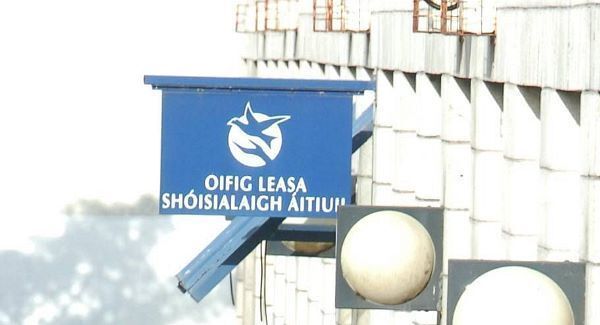
The biggest offender was Joan Burton’s Department of Social Protection, where 71,680 sick days were clocked up at a cost of more than €9m to the State.
Simon Coveney’s Department of Agriculture was next. It lost 30,796 days to sickness, which cost €4.6m.
The figures, released through parliamentary questions from Fine Gael TD Simon Harris, show the cost of a day lost to illness is much greater in some departments than in others.
For example, in the Department of Social Protection, each day of sick leave costs the State €129 per worker. In the Department of Communications, the cost was €181.
Only a few of the 14 departments questioned provided the “sick leave rate” among their staff.
Of those that did, the highest was in social protection, where the rate was 6.3%. In the Department of Health, the figure was 5.2%.
The latest figure for average sick leave across the public service is 4.9%, with workers missing about 11 days a year through absenteeism.
Mr Harris said that, at a time when the Government and the Irish people were scrutinising every cent of public expenditure, the figures he had obtained were “most worrying”.
“Millions of euro in costs and close to 200,000 work days are being lost due to sick leave in government departments,” he said.
“It is clearly high time that the question is asked: Are there cultural or institutional reasons for such a level of sick pay at such a cost in this area?”
In the private sector, he said, sick leave was managed because business could not afford not to manage it.
“That same incentive seems to be lacking in elements of the public sector. As a member of the [Dáil] Public Accounts Committee, I have seen this on many occasions in many government departments. The issue of sick leave and its cost now needs to be central to our discussions on bringing about real public sector reform.
“Clearly, sick leave entitlements are vitally important for people who fall ill and this is recognised, but such sick days cannot be seen as an automatic entitlement regardless of one’s wellbeing. They are there to be used when absolutely necessary and for no other reason.”
Mr Harris said managers in government departments “need to start managing”.
“A consistent approach across all of Government is required urgently,” he said.
Public service management want to cut the cost of sick leave by 5%, or €25m, by the end of the year.
At present, staff can take up to seven paid uncertified (leave without a doctor’s certificate) sick days a year.
Most public servants on certified sick leave can receive full pay for up to six months in one year, and half pay thereafter, subject to a maximum of 12 months’ paid sick leave in any four-year period.
Unions say a blanket reduction in sick leave arrangements would not address any abuse of the system but would have a disastrous effect on those who have catastrophic or life-threatening illnesses.
* Social Protection — Days lost: 71,680. Cost: €9.169m.
* Agriculture — 30,796. Cost: €4.6m.
* Justice — 18,700. Cost: €3m.
* Education — 15,482. Cost: €1.954m.
* Jobs, Enterprise, and Innovation — 9,723. Cost: €1.399m.
* Foreign Affairs — 8,832. Cost: €1.376m.
* Environment — 7,304. Cost: €1.236m.
* Arts, Heritage, and Gaeltacht (June 2011 to June 2012) — 7,471. Cost: €1.022m.
* Transport — 5,404. Cost: €934,000.
* Health — number of days not given. Cost: €642,169.
* Defence — 3,349. Cost: €487,976.
* Communications and Natural Resources — 2,383. Cost: €430,640.
* Finance — 2,030. Cost: €362,701.
* Children and Youth Affairs — 1,155. Cost: €188,000.
* All figures for 2011 unless otherwise stated


CONNECT WITH US TODAY



Be the first to know the latest news and updates