Pensions gap to hit future retirees
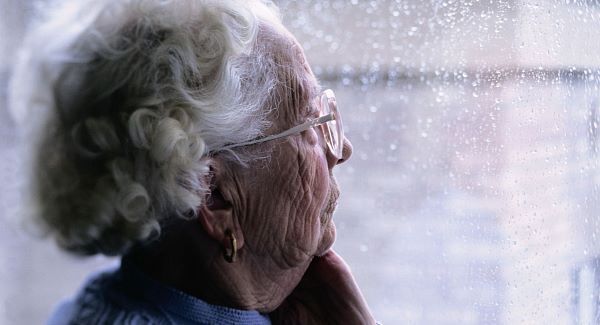
In a review of the outlook for pensions in its 34 member countries, the OECD said workers will have to work longer before retiring and will have smaller public pensions. It described today’s retirees as living in a golden age for pensioners that may not be sustainable.
“It may not feel like it, but today’s retirees are living through what might prove to have been a golden age for pensions and pensioners. Far fewer older people live in poverty than in the past: about a quarter fewer than in the mid-1980s. They also can expect to live longer. Today’s and tomorrow’s workers, in contrast, will have to work longer before retiring and have smaller public pensions,” the report said.


Read

Listen

Watch

Play
CONNECT WITH US TODAY



Be the first to know the latest news and updates







The Business Hub
Newsletter

News and analysis on business, money and jobs from Munster and beyond by our expert team of business writers.
Business
Push Notifications
By clicking on sign up you will be the first to know about a selection of business content on this browser. Please note if you are unable to sign up via your mobile web browser, download and sign up for mobile push notifications via our FREE news app.
Sign Up

The Business Hub
Newsletter
News and analysis on business, money and jobs from Munster and beyond by our expert team of business writers.

Lunchtime News
Newsletter
Get a lunch briefing straight to your inbox at noon daily. Also be the first to know with our occasional Breaking News emails.
Most Read
Tuesday, June 9, 2026 - 8:00 AM
Tuesday, June 9, 2026 - 12:00 PM
Monday, June 8, 2026 - 11:00 PM